Which cooperative cozy games best suit families with diverse ages and skill sets?

The Magic of Cooperative Cozy Games for Every Family Member
Family game night is a cherished tradition for many, but finding a game that genuinely engages everyone, from the youngest child to the most seasoned adult, can be a challenge. Diverse ages often mean varied attention spans, skill levels, and preferences. This is where cooperative cozy games shine, offering a unique blend of teamwork, low-stress environments, and engaging gameplay that can bring families closer.
Unlike competitive games where one winner emerges, cooperative games require players to work together towards a common goal, fostering communication, problem-solving, and a shared sense of accomplishment. When you add the “cozy” element – often characterized by charming aesthetics, relaxed pacing, and themes of building, exploring, or overcoming gentle challenges – you have a recipe for inclusive family fun.
Understanding the ‘Cozy’ and ‘Cooperative’ Blend
The ideal family game for diverse ages and skill sets needs more than just a cooperative mechanic; it needs a welcoming atmosphere. Cozy games prioritize comfort and engagement over intense competition or complex rules. They often feature bright, appealing visuals, straightforward objectives, and a sense of shared adventure rather than cutthroat rivalry. This combination ensures that younger players don’t feel overwhelmed, and older players still find enough depth to stay interested.

Key Characteristics for Diverse Families
When selecting a game, look for these traits:
- Simple Core Rules: Easy to grasp for everyone, with optional depth for more experienced players.
- Scalability/Varied Roles: Games that allow different players to contribute in ways that suit their abilities.
- Low Pressure Environment: Mistakes are learning opportunities, not game-ending disasters.
- Engaging Theme: A story or concept that appeals across generations.
- High Replayability: Enough variety to keep things fresh over multiple sessions.
Top Picks for Inclusive Family Fun
1. Forbidden Island / Forbidden Desert (Board Game)
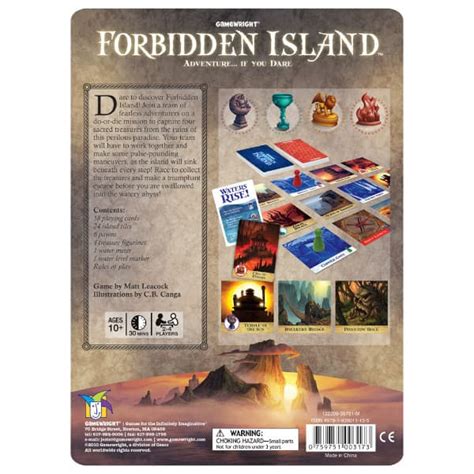
These highly acclaimed cooperative board games by Matt Leacock are perfect entry points. In Forbidden Island, players work together to collect treasures from a sinking island before it disappears. Forbidden Desert offers a slightly more complex challenge, with players trying to escape a harsh desert before succumbing to thirst or sandstorms.
Why they work: Both games have simple rules, clear objectives, and encourage constant communication. Each player has a unique role with special abilities, allowing even younger players to feel crucial to the team’s success. The escalating tension is engaging without being overly stressful, and their modular boards ensure high replayability.
2. Stardew Valley (Multiplayer – Digital Game)
While primarily a single-player experience, Stardew Valley’s multiplayer mode transforms it into an incredibly cozy cooperative farming and life simulation game. Players can build a farm together, fish, mine, fight monsters, and even marry in-game characters.
Why it works: This game offers unparalleled flexibility. Younger players can focus on simpler tasks like watering crops or exploring, while older players manage finances, optimize layouts, or delve into combat. There’s no time limit, no pressure to win, just a shared journey of building a thriving farm and community at your own pace. It’s the epitome of cozy.

3. Just One (Board Game)
If you’re looking for a quick-to-learn, highly engaging party game, Just One is a fantastic choice. Players take turns being the “guesser” while the others write down a single clue word to help them guess a secret word. The catch? Any identical clue words are removed before the guesser sees them, encouraging creative and unique thinking.
Why it works: It’s incredibly accessible; if you can write and read, you can play. It sparks delightful discussions and laughter as players try to differentiate their clues. The cooperative element is strong, and success relies purely on shared understanding and communication, making it great for all ages and cognitive skill levels.
4. Pikmin 3 Deluxe / Pikmin 4 (Co-op Modes – Digital Game)
Nintendo’s Pikmin series offers a unique blend of real-time strategy, puzzle-solving, and charming exploration. In Pikmin 3 Deluxe and Pikmin 4, players can team up in various cooperative modes, including the main story in Pikmin 4 and side missions or ‘Bingo Battle’ in Pikmin 3 Deluxe.
Why they work: The games are visually appealing and incredibly adorable. They teach strategic thinking, resource management, and teamwork as players command armies of tiny plant-like creatures (Pikmin) to overcome obstacles and gather treasures. Different players can manage different groups of Pikmin, splitting tasks and collaborating on objectives, making it an engaging and rewarding experience for a diverse family.

5. Castle Panic (Board Game)
Castle Panic is a cooperative tower defense board game where players work together to defend their castle from an encroaching horde of monsters. Players use cards to strategically attack monsters as they advance through the forest, aiming to destroy them before they breach the castle walls.
Why it works: The premise is straightforward and exciting – protect the castle! It encourages tactical discussions and shared decision-making. The game has a relatively low rules overhead, making it easy for younger players to grasp, while the emergent strategy provides enough depth for adults. The common goal keeps everyone invested, regardless of individual skill levels.

Tips for a Successful Family Game Night
- Set Expectations: Remind everyone that the goal is fun and teamwork, not necessarily winning.
- Rotate Roles: If a game has specific roles, try to let different family members take turns with different responsibilities.
- Be Patient: Younger players might need more guidance or time to process information.
- Celebrate Efforts: Acknowledge good ideas and teamwork, even if the outcome isn’t a victory.
- Take Breaks: Especially with longer games, short breaks can help maintain enthusiasm.
Conclusion
Cooperative cozy games offer a wonderful solution for families seeking inclusive fun. By choosing games that prioritize teamwork, gentle challenges, and engaging themes, you can create memorable experiences that strengthen family bonds and teach valuable skills like communication and problem-solving. So gather your loved ones, pick a game from this list, and prepare for a night of shared laughter and success!