When writing beginner guides, how can jargon be effectively explained without overwhelming new players?
The Jargon Dilemma: Bridging the Knowledge Gap
Beginner guides serve as crucial gateways, introducing new players to the intricacies and delights of a game or complex system. However, this gateway often comes with a linguistic toll booth: jargon. Specialized terminology, while efficient for veterans, can be an impenetrable wall for newcomers, leading to frustration and disengagement. The challenge lies in demystifying these terms without drowning the player in a sea of definitions. The goal isn’t just to explain what a term means, but to integrate that understanding seamlessly into the learning process.
The key to success is a thoughtful, user-centric approach that anticipates confusion and offers clarification in digestible chunks. It’s about building a bridge from the unknown to the familiar, one carefully chosen word at a time, ensuring that players feel empowered rather than overwhelmed.
Contextual Explanations: When and Where It Matters Most
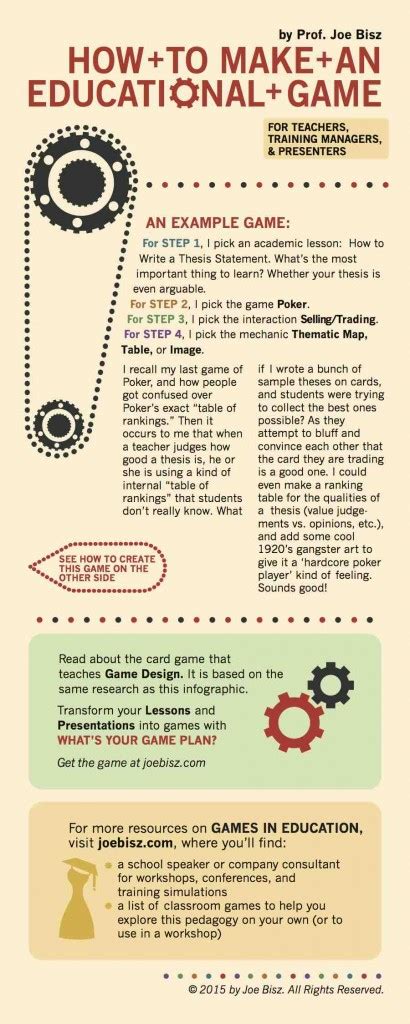
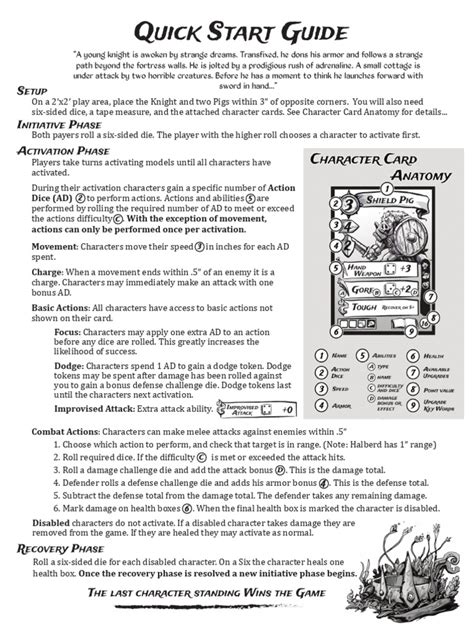
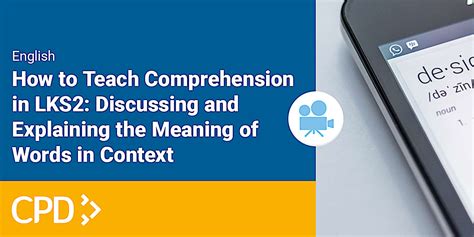
One of the most effective strategies is to explain jargon exactly when and where it’s first encountered. Instead of front-loading a lengthy glossary at the start of the guide, integrate explanations directly into the narrative. When a term like “DPS” (Damage Per Second) is first used, follow it immediately with a concise clarification, perhaps in parentheses or as part of the sentence: “Your character’s primary role here is to maximize your DPS (the amount of damage you deal per second).”
This contextual approach ensures that the explanation is immediately relevant and provides an ‘aha!’ moment without disrupting the flow of information. It links the abstract term directly to its practical application, making it easier for new players to grasp and retain the concept.
Simplify and Analogize: Making the Unfamiliar Familiar
Beyond context, simplicity is paramount. Break down complex jargon into its most basic components. If a term is compound, explain each part if necessary. For instance, explaining “Aggro Management” might first define “aggro” (enemy attention) before discussing “management” (controlling that attention). Use active voice and straightforward sentence structures.
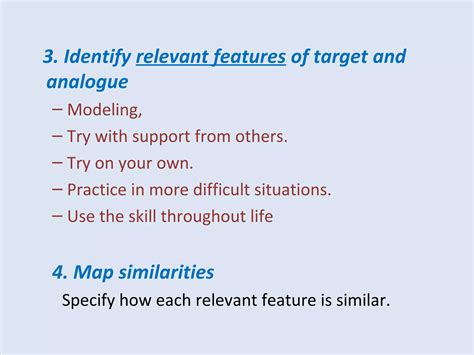
Furthermore, leverage analogies from everyday life to connect abstract game mechanics to familiar concepts. Comparing a healing cooldown to a medical kit that needs time to recharge, or ‘kiting’ an enemy to leading a dog on a leash, can instantly create a mental model that resonates with new players. These comparisons make foreign concepts less intimidating and more intuitive.
Pacing and Layering: A Gentle Introduction to Complexity
Avoid introducing too many new terms simultaneously. Pacing is crucial. Introduce essential jargon first, explaining it thoroughly, and then gradually layer in more advanced terminology as the player progresses through the guide or gains more experience. Think of it as a tutorial progression, where each stage builds upon the last.
Consider using ‘expandable’ sections or optional sidebars for deeper dives into specific jargon. This allows curious players to explore further without forcing all readers to digest advanced details they might not be ready for. This layered approach respects different learning speeds and preferences.
Glossaries, FAQs, and Visual Aids: Your Explanatory Toolkit
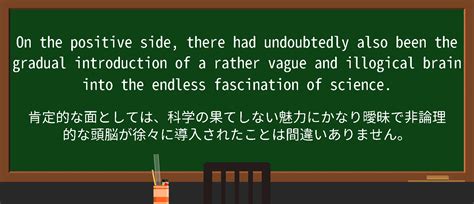
While contextual explanations are primary, supplementary resources are invaluable. A concise, easy-to-access glossary can serve as a quick reference for terms that might be forgotten or encountered out of primary context. An FAQ section can address common points of confusion related to specific jargon.
Visual aids are also incredibly powerful. Diagrams, screenshots highlighting specific UI elements, or short video clips demonstrating a mechanic can often explain complex jargon more effectively than words alone. For example, showing a screenshot of a character’s ‘buffs’ and ‘debuffs’ with labels is far clearer than a purely textual explanation.
Testing Your Clarity: The Ultimate Litmus Test
The final and perhaps most critical step is user testing. Have actual new players, those unfamiliar with the game or its genre, read through your guide. Observe where they stumble, what questions they ask, and which terms consistently cause confusion. Their feedback is invaluable for identifying areas where your explanations fall short or are still overwhelming.
Be prepared to iterate and refine. What seems perfectly clear to an experienced writer might still be ambiguous to a complete novice. Continuous improvement based on genuine beginner feedback ensures that your guide truly serves its purpose: making complex information accessible and enjoyable for everyone.
Empowering New Players Through Thoughtful Explanation
Effectively explaining jargon in beginner guides is an art form that balances conciseness with clarity. By strategically placing explanations in context, simplifying language, utilizing analogies, pacing information, and providing supplementary resources, writers can transform potential barriers into stepping stones. The ultimate reward is not just a guide that makes sense, but a more welcoming and engaging experience for every new player who embarks on their journey.