When teaching a new game, what’s the most impactful first strategy or mechanic to explain?
Introducing a new game to eager (or sometimes apprehensive) players is an art form. The challenge often lies in striking the right balance: providing enough information to get started without overwhelming new learners. While every game is unique, pinpointing the single most impactful first strategy or mechanic to explain can significantly smooth the learning curve and set players up for success.
The Ultimate Goal: The Win Condition
Without a doubt, the single most impactful piece of information to convey first is the game’s win condition. Why are we playing? What constitutes success? Knowing the objective gives context and purpose to every subsequent rule and action explained. If players understand what they are trying to achieve, every mechanic that follows immediately makes more sense.
Imagine trying to learn chess without knowing you’re trying to checkmate the king, or a worker placement game without understanding that you’re aiming for the most victory points. The actions would feel arbitrary and disconnected. Explaining the win condition first provides a mental framework, a guiding star, for all the intricacies to come.
The Core Loop: What Do You Do on Your Turn?
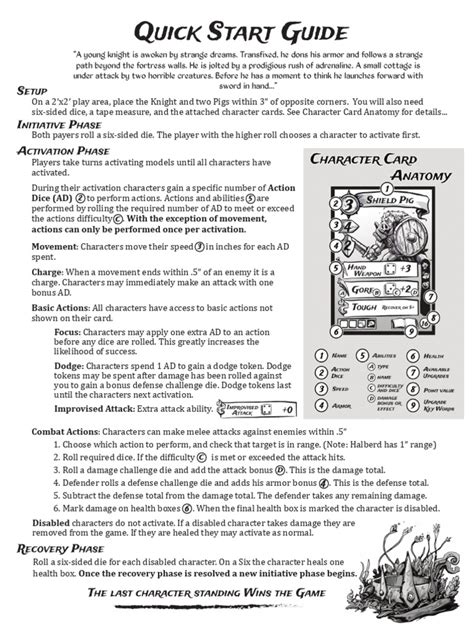
Once players understand the ultimate goal, the next most impactful explanation should be the core gameplay loop or what a player does on their turn. This provides the immediate operational framework. It answers the question, “Okay, I know what I’m trying to do, but how do I actually play the game?”
This explanation should be concise, focusing only on the fundamental actions. For instance, “On your turn, you can take one of two actions: draw a card or play a card,” or “You roll dice, move your pawn, and then draw a card from the space you land on.” This gives players a tangible first step and a rhythm to anticipate as the game progresses.

The First Critical Choice or Immediate Impact
Following the win condition and core loop, highlighting the first critical choice a player will make or the most immediate, obvious impact of a primary mechanic can be extremely beneficial. This grounds the abstract rules in a concrete decision.
For example, in a game where you choose starting resources, explain the implications of those choices. In a card game, explain what happens immediately after playing a certain type of card. This helps players connect cause and effect directly, making the game feel more interactive and less like a lecture.

Brevity and Context: Key Teaching Principles
Regardless of the game, remember these principles:
- Be brief: Don’t dump every rule at once. Introduce rules as they become relevant.
- Use examples: Abstract rules become clear with practical examples.
- Encourage questions: Create a safe space for players to ask for clarification.
- Play a round: Often, the best way to learn is to simply start playing, referring to rules as needed.
Focusing on the win condition first, then the core loop, and finally a critical immediate action, provides a scaffolding that allows new players to build their understanding organically. It turns learning from a chore into an exciting discovery process.

Conclusion
Teaching a new game is about empowering players, not overwhelming them. By prioritizing the game’s win condition as the very first explanation, followed by the core turn structure and immediate impactful choices, you equip new players with the essential context and agency they need to quickly grasp the game, engage with its mechanics, and ultimately enjoy the experience. A well-taught game is often a well-loved game.