What’s the single most effective way to simplify complex game mechanics for novices?

Entering a new game world, especially one brimming with deep, intricate systems, can be an exhilarating yet daunting experience for a novice. Modern games often feature complex economies, elaborate combat systems, vast skill trees, and multi-layered narratives. While these elements contribute to the game’s depth and longevity for veterans, they can present an impenetrable wall for newcomers.

The Core Problem: Information Overload
The primary challenge in introducing complex mechanics to novices is information overload. Bombarding new players with every rule, every stat, and every possible interaction upfront leads to frustration, confusion, and often, abandonment. Their cognitive load quickly becomes too high, making it difficult to grasp even fundamental concepts, let alone master the intricacies.
Many games err by either dumping all information in a lengthy text tutorial or by expecting players to infer everything through trial and error, neither of which is optimal for a positive first impression.

The Single Most Effective Way: Progressive Revelation
Without a doubt, the single most effective way to simplify complex game mechanics for novices is through **Progressive Revelation**, often intertwined with contextual, hands-on learning. This approach involves introducing game concepts, controls, and mechanics gradually, one piece at a time, only as they become relevant or necessary for the player’s immediate progression.
Instead of showing the entire chessboard and all its rules from the get-go, progressive revelation teaches the player how each piece moves when it’s their turn to use it, building up to the full game over time. This method respects the player’s learning curve and prevents overwhelm.

How Progressive Revelation Works in Practice
-
Chunking Information
Break down large, intimidating systems into smaller, manageable chunks. For example, instead of explaining an entire crafting system, first teach how to gather one resource, then how to combine two specific resources for a basic item, and only later introduce advanced recipes or workstation upgrades.
-
Contextual Learning & Scaffolding
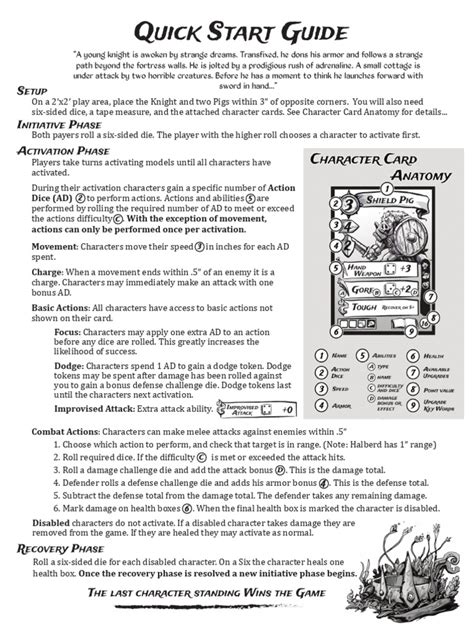
Introduce mechanics within the context of immediate gameplay needs. If the player needs to jump over a gap, that’s when you teach them the jump button. Provide temporary guidance or limitations (scaffolding) that are gradually removed as the player gains proficiency. Think of a tutorial that guides players through their first combat encounter by limiting their abilities to basic attacks before unlocking advanced moves.
-
Immediate Feedback & Low Stakes
Allow players to experiment with new mechanics in low-risk environments where mistakes are not heavily penalized. Immediate, clear feedback on their actions reinforces learning and helps them understand the consequences of their choices without frustration.
Why Progressive Revelation Works So Well
This method succeeds because it aligns with how humans naturally learn. By reducing cognitive load, it allows players to focus on mastering one concept before moving to the next. It builds confidence by granting small victories and a sense of accomplishment. Furthermore, it keeps players engaged by offering a steady stream of new discoveries and challenges that feel surmountable.
Games that effectively use progressive revelation often have higher player retention rates because the onboarding process feels less like a chore and more like an integral, enjoyable part of the game itself.

Implementing Progressive Revelation Effectively
For game designers and developers, implementing progressive revelation requires careful planning:
- Identify Core vs. Advanced Mechanics: Prioritize which mechanics are absolutely essential for initial play and which can be deferred.
- Design Dedicated Tutorial Segments: Create specific gameplay scenarios or levels that naturally introduce new mechanics.
- Use UI Wisely: Employ contextual tooltips, quest logs, and dynamic UI elements that highlight relevant information only when needed. Avoid cluttered screens.
- Iterate and Test: Crucially, test your onboarding process with actual novices. Observe where they get stuck, what they misunderstand, and where the information flow breaks down.
Conclusion
Simplifying complex game mechanics isn’t about dumbing down the game; it’s about smart design. Progressive Revelation, combined with hands-on, contextual learning, stands out as the most effective strategy. It transforms the overwhelming initial hurdle into a guided journey of discovery, allowing novices to appreciate the depth and richness of your game at their own pace, fostering engagement, understanding, and ultimately, long-term enjoyment.