What’s the single best tip for simplifying complex game mechanics in a beginner guide?

The Challenge of Complex Game Mechanics
Modern video games often feature intricate systems, deep skill trees, elaborate combat, or complex resource management. For new players, this can be an overwhelming barrier to entry. A well-crafted beginner guide doesn’t just explain; it empowers. So, what’s the ultimate strategy for stripping away the complexity and making these mechanics accessible?
The Core Principle: Teach Through Immediate, Guided Application
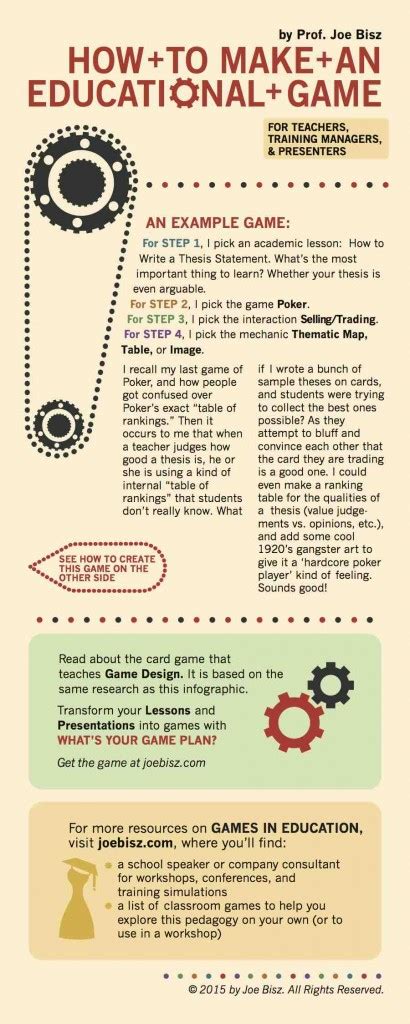
The single best tip for simplifying complex game mechanics in a beginner guide is to introduce mechanics contextually, incrementally, and with immediate, low-stakes practical application. Don’t just tell players how something works; put them in a situation where they *need* to use it, guide them through the process, and let them experience its effect directly. This is learning by doing, distilled into its most effective form.

Why This Approach is Superior
Reducing Cognitive Overload
Dumping a wall of text or a lengthy video explaining every nuance of a system is a recipe for disengagement. By introducing concepts one small piece at a time, just before they’re needed, you prevent cognitive overload. Players absorb information more effectively when it’s delivered in digestible chunks.
Fostering Active Learning and Retention
Passive consumption of information (reading, watching) leads to lower retention rates than active engagement. When players perform an action, even a simple one, and see its direct consequence, they form stronger mental models and memories. This practical experience builds intuition, which is crucial for mastering complex systems.
Building Confidence Gradually
A low-stakes environment means players can experiment and fail without severe penalties. This freedom to explore and make mistakes is vital for building confidence. Successfully executing a new mechanic, even a simple one, reinforces positive learning and encourages further engagement.

How to Implement This Tip Effectively
1. Break Down into Micro-Concepts
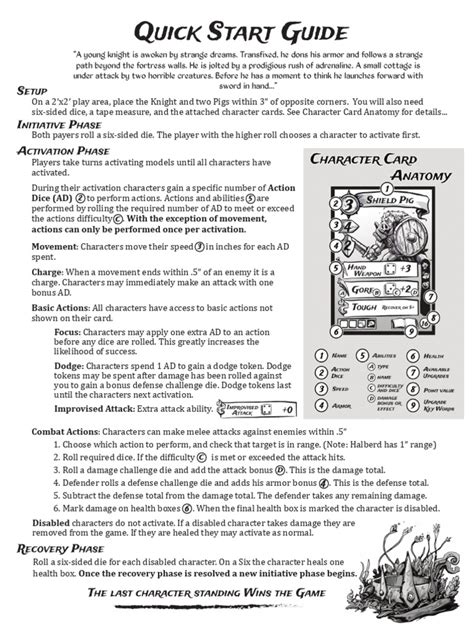
Instead of explaining the entire ‘combat system,’ break it down: first, ‘basic attack,’ then ‘blocking,’ then ‘special abilities,’ and so on. Each micro-concept should be isolated and introduced individually.
2. Create Controlled, Safe Environments
Design specific tutorial zones, isolated rooms, or practice dummies where players can try out new mechanics without the pressure of actual gameplay. For example, a new spell could be tested on a stationary target before being used in a real battle.
3. Provide Immediate, Clear Feedback
When a player performs a mechanic correctly, offer immediate visual or auditory confirmation. If they struggle, provide clear, concise hints without taking control away. This feedback loop is essential for self-correction and understanding.

4. Contextualize the Need
Explain *why* a mechanic is important just before introducing it. For instance, “To cross this gap, you’ll need to double jump.” This creates a direct problem-solution scenario, making the mechanic’s utility immediately clear.
5. Reinforce and Build Upon Previous Learnings
Once a mechanic is learned, subtly integrate it into subsequent challenges. Gradually combine learned mechanics to build complexity, but always ensure the foundation is solid.

Common Pitfalls to Avoid
- Information Dumps: Avoid front-loading too much information at once.
- Abstract Explanations: Don’t describe a mechanic without immediately showing it in action.
- High-Stakes First Encounters: Never introduce a crucial, complex mechanic for the first time in a challenging scenario where failure is punishing.
- Lack of Repetition: Don’t explain something once and assume players have mastered it. Provide opportunities for gentle reinforcement.
Conclusion
Simplifying complex game mechanics isn’t about making them less deep; it’s about making them approachable. By adopting the principle of teaching through immediate, guided application within a low-stakes context, beginner guides can transform daunting systems into engaging learning experiences. Empowering players to learn by doing, incrementally and contextually, is the key to unlocking the full potential of any complex game for a new audience.