What’s the optimal structure for game beginner guides to prevent new player overwhelm?
Entering a new game world can be an exhilarating experience, but for many, it quickly turns into a daunting one. A poorly structured beginner guide, often a wall of text or an endless list of mechanics, can overwhelm new players, leading to frustration and, ultimately, abandonment. The key to successful player retention lies in a guide that gently introduces concepts, builds confidence, and progressively unveils complexity. But what exactly constitutes an ‘optimal’ structure to achieve this?
The Critical Role of First Impressions
The first few hours with a game are paramount. Players are forming their initial impressions, trying to grasp fundamental interactions, and deciding if the game is worth their continued time. A beginner guide isn’t just a manual; it’s a first impression that either welcomes and empowers or alienates. Overloading new players with too much information too soon can trigger ‘analysis paralysis,’ where they become frozen by the sheer volume of choices and details, unable to move forward.

Core Principles for Overwhelm Prevention
Before diving into specific structural components, certain principles must underpin any effective beginner guide:
- Progressive Revelation: Introduce concepts and mechanics step-by-step, only when they become relevant.
- Focus on Essentials: Prioritize the absolute minimum a player needs to know to take their first meaningful actions and understand the core gameplay loop.
- Action-Oriented Learning: Encourage players to do rather than just read. Practical application solidifies understanding.
- Chunking Information: Break down complex topics into smaller, digestible segments.
- Clear Goals & Immediate Rewards: Guide players towards achievable short-term goals and ensure they feel a sense of accomplishment.
An Optimal Guide Structure Breakdown
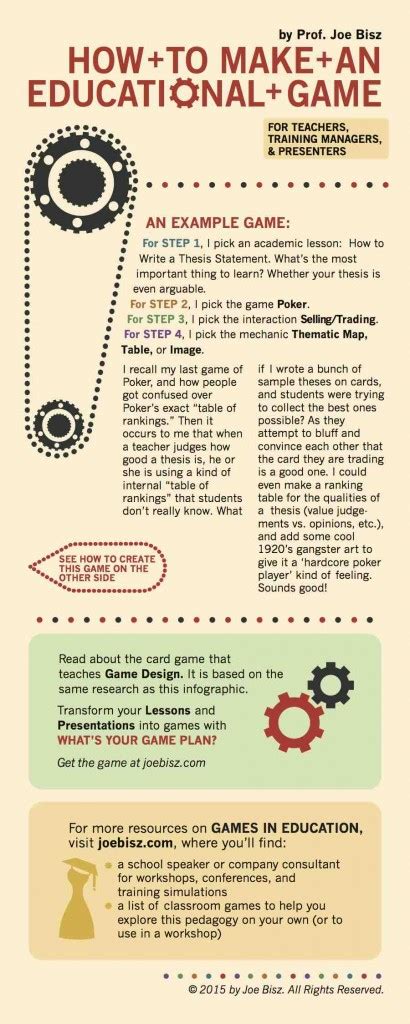
An ideal beginner guide should act as a series of stepping stones, gradually leading the player deeper into the game. Here’s a suggested structure:
1. The Absolute Basics & First Steps (The Onboarding Tunnel)
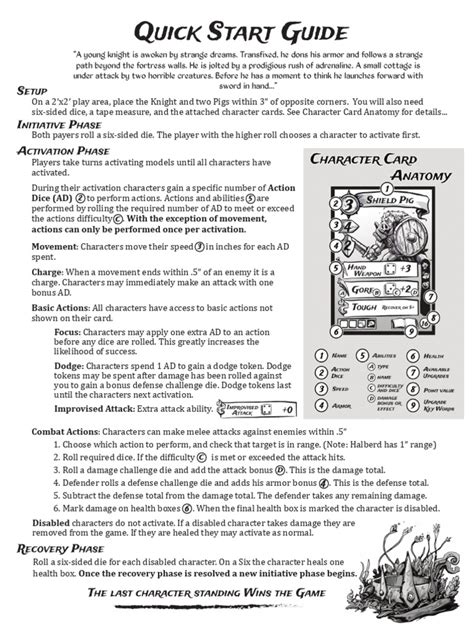
This section should be an extremely focused, guided experience. It’s not about explaining everything, but about getting the player to successfully complete their first core action. This could include:
- Installation/Setup (if applicable): Clear, concise instructions.
- Character Creation/Selection: Guide through essential choices, deferring cosmetic details or advanced options.
- Core Movement & Interaction: How to move, interact with the environment, and perform the most basic action (e.g., attack, gather, talk).
- First Objective: A very simple, clearly defined task with immediate feedback and a tangible reward.

2. Core Mechanics & Essential Gameplay Loop
Once players can move and interact, introduce the fundamental gameplay loop. What does a player spend most of their time doing? Explain these core systems in simple terms, using practical examples.
- Primary Progression System: How does the player get stronger/advance? (e.g., leveling, crafting, questing).
- Basic Combat/Interaction Systems: Explain the most common enemies/obstacles and how to overcome them.
- User Interface (UI) Essentials: Point out only the most critical UI elements (health bar, minimap, inventory, quest tracker) and explain their immediate relevance.

3. Progressive Learning & Short-Term Goals
Now that players understand the basics, the guide can branch slightly to introduce interconnected systems or expand on existing ones, always linking back to immediate player goals.
- Economy Basics: How to earn and spend currency, if relevant.
- Crafting/Gathering (Simple): Introduce the entry-level methods for these systems.
- Quests/Missions: Explain how to accept, track, and complete basic tasks.
- Safe Zones & Hubs: Guide players to central areas for resources, vendors, or quest givers.
4. Contextualizing Advanced Information (Optional & Linked)
Resist the urge to dump all knowledge at once. Instead, provide clear signposts to deeper systems or advanced strategies. This could be:
- In-game Codex/Wiki: Direct players to an easily accessible repository for detailed lore, item descriptions, or advanced mechanics.
- Specific ‘Next Steps’ Sections: Guides for specific builds, late-game activities, or competitive play, clearly marked as optional.
- Community Resources: Link to official forums, fan wikis, or reputable content creators for ongoing learning.
Key Delivery Tips for Clarity
- Visual Aids: Use screenshots, short GIFs, or videos to illustrate concepts. Show, don’t just tell.
- Concise Language: Avoid jargon. Use simple, direct sentences.
- Interactive Elements: If possible, embed the guide directly into the game as an interactive tutorial.
- Highlight Key Information: Use bolding, bullet points, and clear headings to make scanning easy.
- Test & Iterate: Have actual new players (unfamiliar with the game) test the guide and provide feedback. Adjust based on where they get stuck.
Conclusion: Building Confident Players
An optimally structured game beginner guide isn’t just about providing information; it’s about curating an experience. By prioritizing progressive learning, focusing on immediate relevance, and employing clear communication, developers can transform the potentially overwhelming initial hours into an empowering journey. This approach not only prevents new player overwhelm but also lays a strong foundation for long-term engagement, turning tentative newcomers into confident, loyal members of the game’s community.