What’s the optimal microSD for Switch to store many indie & AAA digital games?

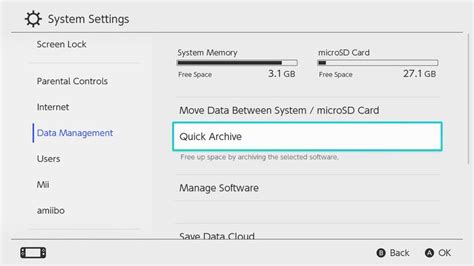
The Nintendo Switch, with its vast library of digital indie gems and graphics-intensive AAA titles, quickly outgrows its meager 32GB (or 64GB for OLED models) internal storage. For dedicated gamers looking to store a substantial collection without constantly archiving and re-downloading, investing in an optimal microSD card is not just recommended, it’s essential. But with so many options, what truly makes a microSD ‘optimal’ for your Switch?

Why a MicroSD is Essential for Your Switch
Unlike physical game cartridges, digital downloads consume valuable storage space directly on your console or inserted microSD card. AAA titles like The Legend of Zelda: Tears of the Kingdom can easily top 18GB, while many indie games, though smaller, collectively add up. A robust microSD card ensures you have ample room for current favorites and future releases, preventing the frustrating ‘storage full’ message.
Key Factors When Choosing a MicroSD
To identify the optimal card, we need to consider three primary factors: capacity, speed, and reliability.
1. Capacity: How Much Space Do You Really Need?
This is often the first consideration. While smaller cards are cheaper, they quickly become inadequate. A good rule of thumb is to calculate based on your expected game library size.
- Indie Games: Typically range from a few hundred megabytes to 5GB.
- AAA Games: Can be anywhere from 5GB to 30GB+.
For a mix of both, here are some practical recommendations:
- 256GB: A good starting point for casual gamers with a growing digital library.
- 512GB: Optimal for most serious digital-only gamers, offering ample space for dozens of titles. This is often the sweet spot for price-to-performance.
- 1TB: For the ultimate collector who wants to download almost everything and never worry about space. While more expensive, prices have become more reasonable.

2. Speed: The Unsung Hero of Load Times
While capacity gets the most attention, speed directly impacts your gaming experience. A slow card can lead to longer load times for games, slower updates, and even performance hitches. Look for these specifications:
- UHS Speed Class (U3): This indicates a minimum write speed of 30MB/s, crucial for recording video or handling large game files. It’s an industry standard for gaming.
- Video Speed Class (V30): Also guarantees a minimum sequential write speed of 30MB/s, ensuring smooth data transfer for large files.
- Application Performance Class (A1 or A2): A1 cards offer better random read/write speeds, which are important for running applications directly from the card (like games). A2 cards offer even better performance, though the Switch might not fully leverage its full potential over A1, an A2 card is still a solid choice for future-proofing.
Aim for cards rated U3 and V30. An A1 or A2 rating is a bonus that will contribute to snappier game loading.

3. Reliability and Brand: Trust Your Storage
A corrupted microSD card can mean losing your entire digital game library. Stick to reputable brands known for quality and offering good warranties. SanDisk, Samsung, and Lexar are consistently top performers and officially licensed by Nintendo (SanDisk). Beware of unusually cheap, no-name cards, as they are often counterfeit or unreliable.

Optimal Recommendations for Gamers
Considering all factors, here’s what constitutes an optimal microSD card for your Switch:
- Capacity: A 512GB card is ideal for most gamers. For hardcore collectors, 1TB offers ultimate peace of mind.
- Speed: Look for cards with U3 and V30 ratings. An A1 or A2 class will ensure excellent application performance.
- Brand: Stick with trusted names like SanDisk (especially the official Nintendo-licensed ones), Samsung EVO Select/Plus, or Lexar Play.
For example, a SanDisk 512GB microSDXC UHS-I U3 A1 card offers an excellent balance of capacity, speed, and reliability without breaking the bank.
Conclusion: Future-Proof Your Gaming Library
Choosing the optimal microSD card for your Nintendo Switch is a key investment in your gaming experience. By prioritizing a sensible capacity (512GB is a great starting point), ensuring high-speed ratings (U3/V30 with A1/A2), and opting for a reliable brand, you can future-proof your digital library, minimize load times, and spend more time playing and less time managing storage. Don’t let a full storage card interrupt your next gaming adventure!