What’s the most impactful how-to guide structure for teaching complex game systems to beginners?

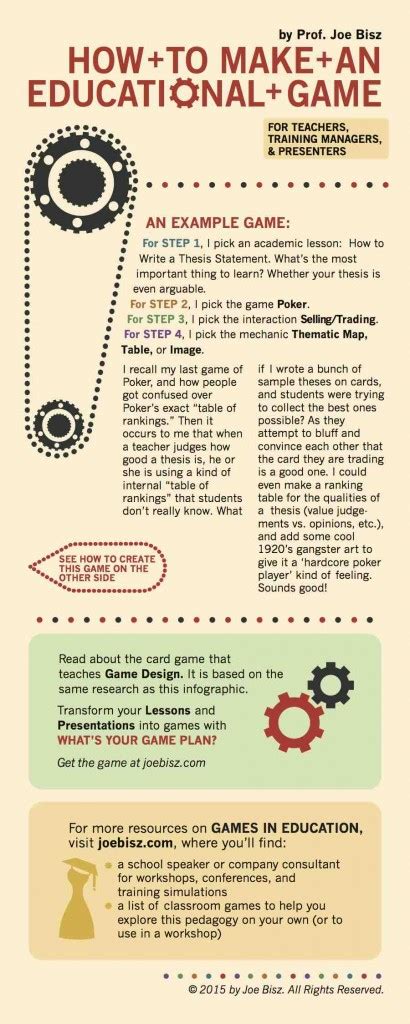
Teaching complex game systems to beginners is an art form. The challenge lies in demystifying intricate mechanics without overwhelming new players, ensuring they not only understand the “what” but also the “why” and “how.” An effective how-to guide structure can be the difference between a frustrated new player abandoning the game and one who confidently dives deep into its strategic layers.
The Foundational Principle: Progressive Disclosure
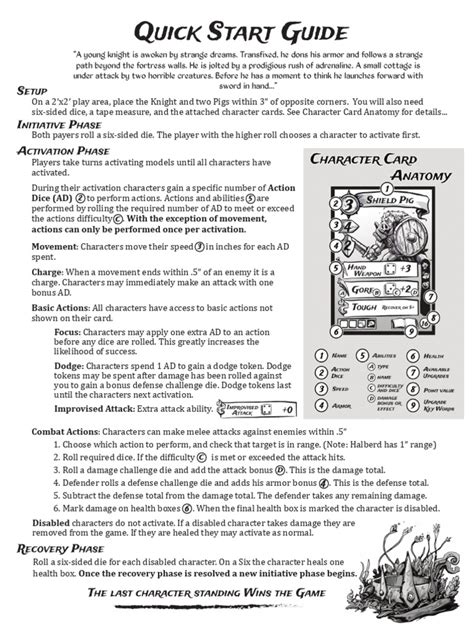
The most crucial element in an impactful guide is the strategic unveiling of information. Instead of dumping all knowledge upfront, a beginner’s guide should meticulously introduce concepts in a logical, step-by-step manner, building understanding layer by layer. Start with the absolute core mechanics necessary to simply play the game, even if inefficiently. Explain what they are, why they exist, and their most basic function. Only once these fundamentals are grasped should you introduce secondary mechanics that interact with the core, followed by advanced strategies and optimizations.
Step-by-Step Introduction
- Core Concepts First: Begin with the essential actions and their immediate consequences. What does pressing ‘X’ do? How do you move?
- Layered Complexity: Introduce related systems only after the primary ones are understood. For instance, explain basic combat before delving into status effects, elemental resistances, or advanced skill trees.
- Need-to-Know Basis: Prioritize information that directly impacts immediate gameplay decisions. Avoid lengthy explanations of obscure mechanics until they become relevant.

Active Learning and Practical Application
Understanding a concept intellectually is one thing; applying it in a dynamic game environment is another. Impactful guides don’t just explain; they facilitate practice. Integrate opportunities for beginners to immediately apply what they’ve learned. This could involve mini-challenges, guided scenarios, or specific objectives within the game that reinforce the newly acquired knowledge.
Show, Don’t Just Tell
- In-Game Examples: Always provide concrete examples from the game itself. Instead of saying “high damage builds are good,” show an example of a high damage build in action and explain its components.
- Guided Practice: Suggest specific actions players can take in-game to experiment with the system. “Try using this ability against this type of enemy to see its effect.”
- Troubleshooting Common Pitfalls: Proactively address typical mistakes beginners make, explaining why they happen and how to correct them.
The Power of Visual Aids and Analogies
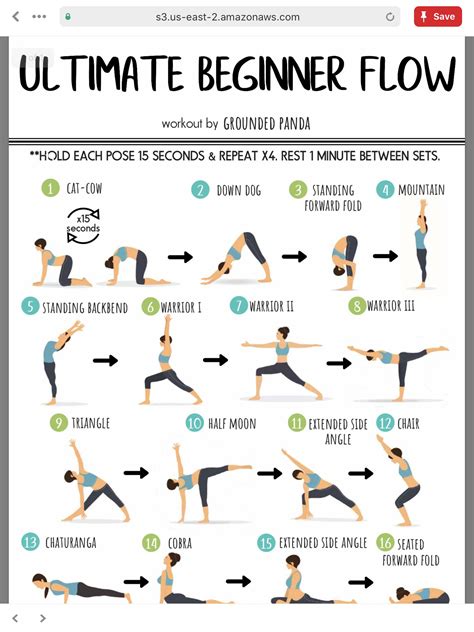
Text alone, especially for complex systems, can be dense and intimidating. Visuals break up the monotony, highlight key information, and often convey concepts more efficiently than words. Screenshots, flowcharts, diagrams, and even short GIFs or video clips (if the guide format allows) are invaluable. Additionally, relating abstract game mechanics to real-world analogies can significantly aid comprehension.
Making Sense with Sights and Sounds (or Imagery)
- Labeled Screenshots: Use screenshots with arrows, circles, and text overlays to point out specific UI elements, character stats, or in-game interactions.
- Flowcharts: Ideal for illustrating decision trees, crafting recipes, or complex combat rotations.
- Diagrams: Visually explain relationships between different systems (e.g., how economy impacts combat, or how skills synergize).
- Simple Analogies: Compare a game mechanic to something familiar. “Think of resource management like balancing your personal budget.”
Contextualization and Motivation
Beginners need to understand not just what a system does, but why it matters to them. Connect the mechanics directly to tangible in-game benefits or goals. How will mastering this system help them defeat a boss, build a better character, or achieve victory? Providing context gives learners a reason to invest their time and effort.
Answering the “Why?”
- Goal-Oriented Learning: Frame the explanation around how the system helps achieve a common player goal (e.g., “Understanding elemental weaknesses will help you clear dungeons faster”).
- Impact on Gameplay: Clearly articulate the consequences of engaging (or not engaging) with a system. What are the rewards for mastery? What are the penalties for ignorance?

Structure for Ongoing Support and Growth
An impactful guide doesn’t just end when the beginner grasps the basics; it points them towards further learning. Include a section for FAQs, common problems, or even “next steps” for delving deeper. This empowers players to continue their learning journey independently.
Beyond the Basics
- Frequently Asked Questions: Compile answers to common beginner queries.
- Troubleshooting Section: A quick reference for solving common issues or understanding error messages.
- Resources for Advanced Learning: Link to more in-depth guides, community wikis, or player forums for those ready to become experts.
By integrating progressive disclosure, encouraging active learning, leveraging powerful visuals, providing clear context, and offering paths for continued growth, a how-to guide can transform the daunting task of learning complex game systems into an engaging and rewarding experience for any beginner. The goal is not just to transfer information, but to build confidence and foster a love for discovery within the game.