What’s the most effective way to teach a complex game’s basics to new players quickly?
Breaking Down the Barrier: Teaching Complex Games Effectively
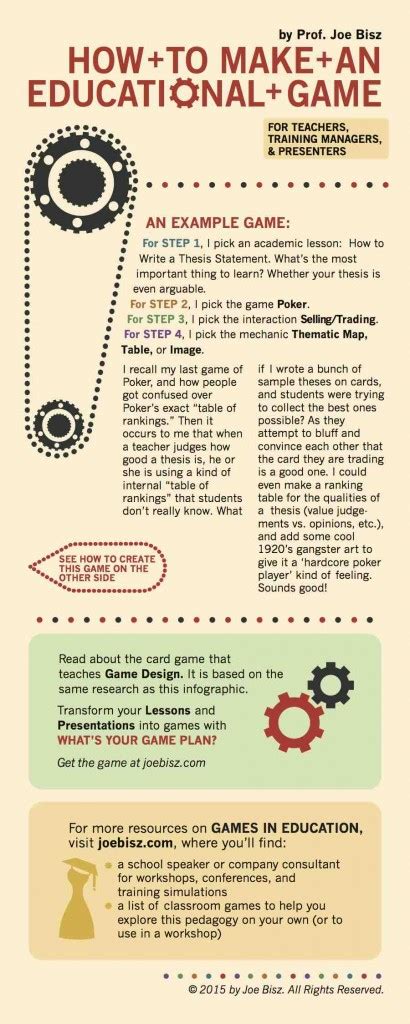
Introducing new players to games with intricate rules, deep strategies, and numerous components can be daunting. The goal isn’t just to explain the rules, but to create an enjoyable learning experience that empowers them to play confidently and quickly. The key lies in strategic simplification and active engagement, rather than overwhelming information dumps.
1. Prioritize the Core Loop: What’s Essential to Start?
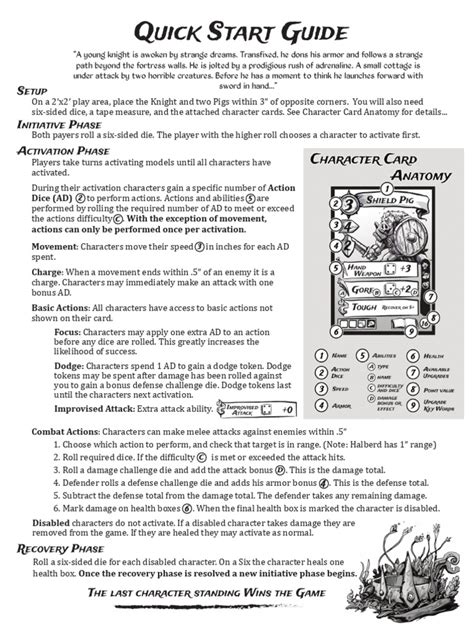
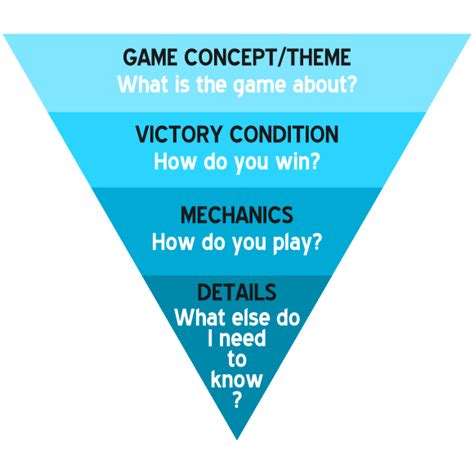
Before diving into every nuance, identify the absolute minimum information a player needs to make their first meaningful move. What’s the core engine of the game? How do you win, and what’s the fundamental action cycle? Focus on these essentials, leaving advanced rules and edge cases for later.
For instance, in a resource management game, teach how to gain a resource, spend it, and score points, ignoring specific card effects or advanced worker placement strategies initially.
2. Get Hands-On Quickly: Learn by Doing
Passive listening is far less effective than active participation. Set up the game, get pieces into players’ hands, and guide them through their first turn or two. Explain rules as they become relevant to their immediate choices, rather than front-loading everything. This provides context and makes the information stick better.
Use a “tutorial round” where players aren’t worried about winning, but rather learning the rhythm. Encourage them to ask questions and make mistakes.

3. Leverage Analogies and Visuals
Connect abstract game mechanics to real-world concepts or simpler games they might already know. “This part is like drawing a card in poker,” or “Think of this track as your progress bar.” Visual aids, whether diagrams, components themselves, or even hand gestures, can clarify complex interactions far better than words alone.
4. Iterative Teaching: Layering Information
Resist the urge to explain everything upfront. Introduce rules in waves. Start with the core, then as players grasp that, introduce the next layer of complexity (e.g., advanced actions, special abilities, scoring variations). This allows their understanding to build progressively without cognitive overload.
A common mistake is spending 30-60 minutes explaining every rule before a single piece is moved. This often leads to players forgetting the first rules by the time the last ones are explained.

5. Provide a Safety Net: Coach and Guide
During the first few rounds, act as a benevolent guide. Remind players of their options, suggest good first moves (without playing for them), and correct misunderstandings gently. Reassure them that making mistakes is part of the learning process. The goal is to build confidence, not to punish errors.
Encourage an open environment where questions are welcomed at any point, even if the rule was “already explained.” Repetition and contextual reinforcement are powerful.
6. Recap and Reinforce
After a round or the first complete game, take a moment to recap key rules and answer any lingering questions. Reinforce critical strategies without dictating them. A quick summary of “what we just did” can solidify their understanding and prepare them for future plays.
Consider a “second game” where players try to apply what they’ve learned, with less guidance from you.
Common Pitfalls to Avoid
- Information Overload: Don’t dump every rule at once.
- Underestimating Player Anxiety: New players fear making “wrong” moves.
- Focusing on Edge Cases: Stick to the 90% rules, save the 10% for later.
- Lack of Context: Explaining rules without showing how they apply.
Conclusion
Teaching a complex game quickly and effectively isn’t about speed-reading the rulebook; it’s about crafting an engaging, interactive, and incremental learning journey. By prioritizing core mechanics, embracing hands-on play, using contextual explanations, and providing supportive guidance, you can transform daunting game introductions into exciting discoveries, ensuring new players are ready to strategize and enjoy the game in no time.