What’s the most effective way to structure game how-tos for absolute beginners?

The Challenge of Teaching New Gamers
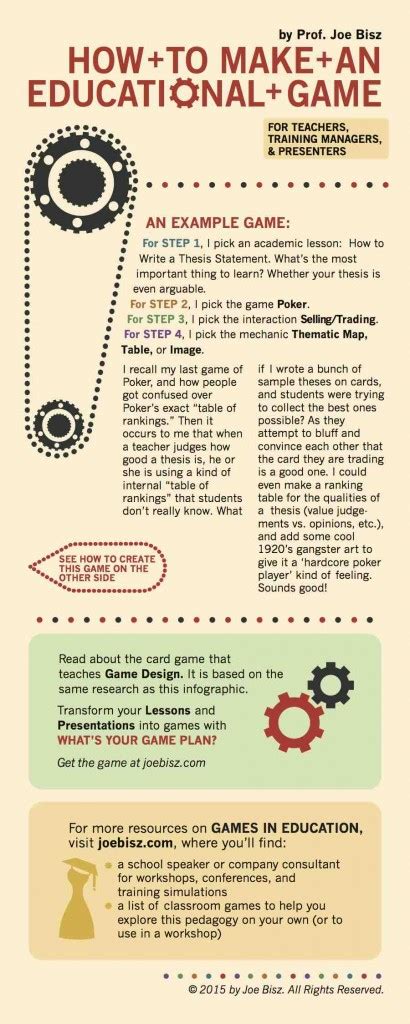
Introducing a new game to someone who has never touched it, or perhaps never even played a similar genre, presents a unique challenge. Absolute beginners can be easily overwhelmed by complex mechanics, unfamiliar terminology, and a rapid influx of information. An effective how-to guide must not only explain what to do but also guide them gently into the game world, building confidence along the way. The goal is not just to teach controls, but to foster understanding and enjoyment from the very first moments.
Start with the Absolute Foundation: Controls and UI
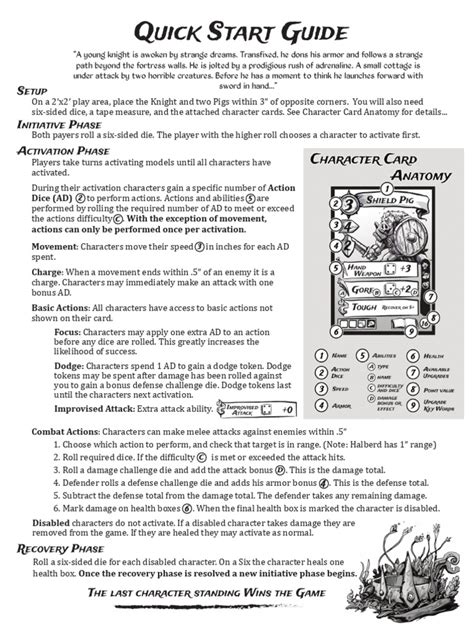
Before diving into objectives or advanced strategies, an absolute beginner needs to understand how to move, interact, and navigate the game world. Begin with the most basic controls: movement, camera, and primary interaction buttons. Clearly label these actions and their corresponding inputs (e.g., “W, A, S, D to move,” “Left-click to interact”). Follow this with a brief, high-level overview of the user interface (UI), explaining only the most critical elements such as health bars, minimaps, or inventory access. Avoid jargon wherever possible; if a game-specific term must be used, define it immediately.
Progressive Learning: One Concept at a Time
The most crucial aspect of structuring how-tos for beginners is to introduce concepts one at a time, building complexity gradually. Avoid dumping a laundry list of features or mechanics upfront. Instead, present a core mechanic, explain it, give a simple exercise or example, and then move on. For instance, after explaining movement, teach how to pick up an item. Then, how to use that item. This step-by-step approach prevents cognitive overload and allows beginners to internalize each piece of information before the next is introduced.
Embrace Visuals: Screenshots and Diagrams Are Your Best Friends
Text-heavy explanations can be daunting. Visual aids are invaluable for absolute beginners. Incorporate screenshots with clear annotations (arrows, circles, highlights) to show exactly where to click, what to look for, or which menu item to select. Diagrams can help explain complex relationships or flows, such as a crafting tree or a combat loop. A picture truly is worth a thousand words, especially when dealing with visual mediums like video games. Ensure visuals are high-quality and directly illustrate the point being made.
Anticipate and Address Common Pitfalls
Think like a beginner. What are the common frustrations or misunderstandings players face in the first hour of gameplay? Structure your guide to preemptively answer these questions. Include “Troubleshooting Tips” or “Common Mistakes” sections. For example, if players often miss a critical objective marker, point it out explicitly and explain how to find it. Providing solutions to potential problems before they arise significantly reduces frustration and keeps new players engaged.

Encourage Practice and Exploration, But Don’t Overwhelm
While a how-to guide provides a roadmap, actual learning happens through practice. Encourage beginners to pause and try out new mechanics as they learn them. Suggest small, achievable goals within the game that allow them to apply what they’ve just learned. However, balance this with not overwhelming them with too much information or too many practice tasks at once. Keep sections digestible and allow for natural breaks where a beginner can experiment without feeling pressured to continue immediately.

The Power of a Clear Path
Ultimately, the most effective how-to guides for absolute beginners create a clear, linear path through the initial complexities of a game. By breaking down information into bite-sized, sequential steps, leveraging strong visual support, and anticipating player challenges, we can transform potentially frustrating experiences into enjoyable learning journeys. The goal is to empower beginners, making them feel capable and excited to explore the vast worlds games offer, rather than feeling lost before they’ve even begun.