What’s the most effective way for game how-tos to teach essential first steps to new players?

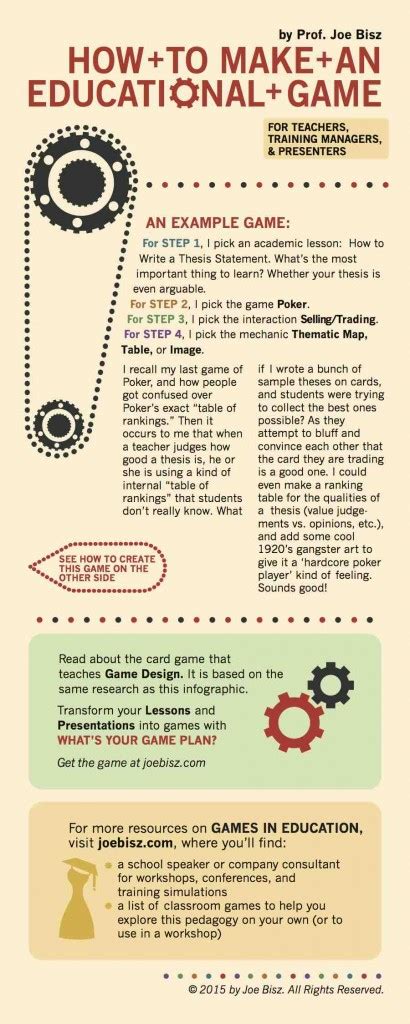
Onboarding new players effectively is crucial for a game’s long-term success. A poorly designed tutorial or ‘how-to’ can quickly frustrate newcomers, leading them to abandon the game before experiencing its full potential. The challenge lies in providing enough information to empower players without overwhelming them with a deluge of details. So, what constitutes the most effective approach to teaching essential first steps?
Interactive and Experiential Learning
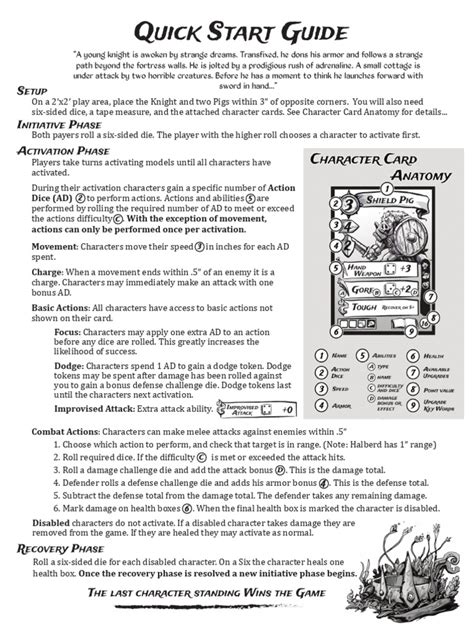
The gold standard for teaching game mechanics is learning by doing. Static text boxes and lengthy video explanations, while sometimes necessary, are less engaging and often less memorable than direct interaction. An effective how-to seamlessly integrates instruction into gameplay, allowing players to perform actions as they are introduced. This could involve guided first missions, scenarios where only specific abilities are available, or contextual prompts that appear when a new mechanic is relevant.
By immediately applying new information, players build muscle memory and a practical understanding of how mechanics work within the game’s context. This approach respects the player’s desire to play, not just to read or watch.
Progressive Disclosure of Information
One of the biggest pitfalls for new player guides is information overload. Introducing too many concepts, controls, or systems at once can be intimidating. The most effective how-tos employ progressive disclosure, revealing information and mechanics gradually as they become relevant or necessary. This means starting with the absolute bare essentials – movement, basic interaction, and primary objectives – and building complexity layer by layer.
For example, advanced crafting systems, skill trees, or complex social mechanics can be introduced after a player has demonstrated proficiency with the core gameplay loop. This staggered approach allows players to master one concept before moving on to the next, fostering a sense of accomplishment rather than confusion.
Clear Visual Cues and Intuitive UI
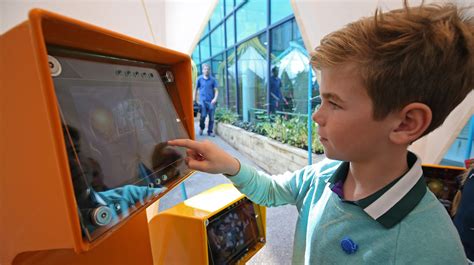
Visual communication is paramount in games. Effective how-tos leverage clear, concise visual cues to guide new players. This includes highlighting interactive elements, using distinct icons for different actions, and employing a user interface (UI) that is intuitive and easy to navigate. Minimizing text and maximizing visual instruction reduces cognitive load and allows players to quickly grasp concepts.
Arrows, glowing outlines, temporary UI elements, and even character animations can be used to direct attention and explain functionality without requiring extensive reading. A well-designed UI should inherently teach players how to interact with the game world, making formal tutorials less intrusive.
Contextual and Just-in-Time Help
While an initial onboarding sequence is essential, players often forget details or encounter new situations later in the game. The most effective how-tos incorporate contextual, just-in-time help systems. This means providing easily accessible information relevant to the player’s current situation, rather than forcing them to search through a comprehensive manual.
Examples include tooltips that appear when hovering over UI elements, pop-up explanations for new enemy types or environmental hazards, or an in-game encyclopedia that updates dynamically. This allows players to get the answers they need precisely when they need them, without breaking their immersion or flow.
Feedback and Reinforcement
Positive feedback and reinforcement are powerful teaching tools. When a new player successfully performs an action taught in a how-to, immediate and clear feedback (e.g., sound effects, visual confirmations, congratulatory messages) solidifies their understanding. This reinforces correct behavior and encourages further experimentation.
Conversely, gentle guidance or hints when a player struggles can prevent frustration. The goal is to create a learning environment that celebrates success and offers supportive correction, building player confidence and a sense of mastery.
Conclusion
The most effective game how-tos prioritize an interactive, progressively disclosed, visually clear, and contextually supported learning experience. By empowering new players to learn by doing, gradually introducing complexity, and providing timely feedback, games can transform potential frustration into engaging discovery. This approach not only teaches essential first steps but also lays a strong foundation for long-term player enjoyment and retention.