What’s the most effective structure for a beginner game guide to combat overwhelm?

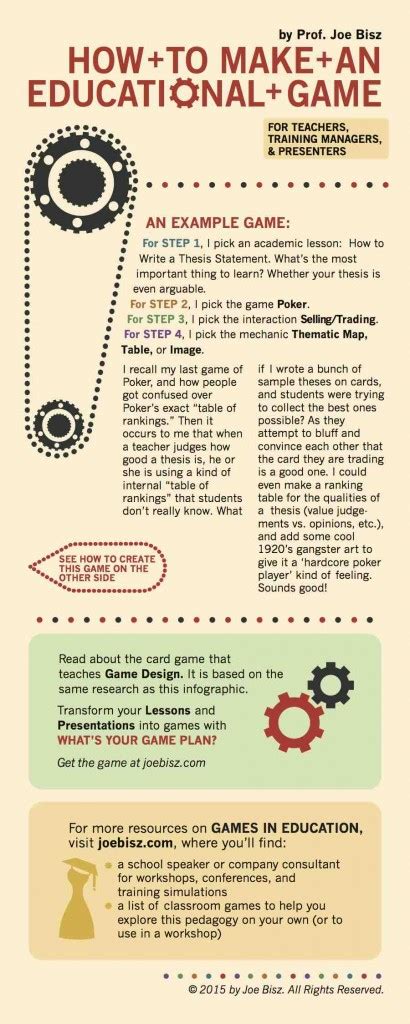
Entering a new game can be an exhilarating yet daunting experience, especially for complex titles. A poorly structured beginner guide can quickly turn excitement into frustration, leading to players abandoning the game before they even grasp its core mechanics. The key to an effective guide lies in its ability to introduce concepts progressively, empower the player, and combat the inherent overwhelm of a new system.
Understanding the Beginner’s Mindset
New players are often bombarded with new terms, mechanics, and objectives. Their primary goal is to understand how to play and enjoy the game, not to master every nuance instantly. An effective guide acknowledges this by prioritizing clarity, conciseness, and immediate applicability. It should anticipate common pain points and provide solutions before they become roadblocks.

The Foundational Pillars of an Effective Guide
1. Start with Core Concepts and Immediate Actions
Begin by explaining the absolute essentials: how to move, how to interact, and the primary objective of the very first segment of gameplay. Avoid front-loading too much lore or advanced strategy. Focus on the core gameplay loop a player needs to complete their first mission or overcome their initial challenge.
2. Progressive Unlocking of Information
Information should be layered, much like a well-designed tutorial within the game itself. Introduce one concept, allow the player to practice it, and then build upon it. This prevents cognitive overload and reinforces learning through application. Separate fundamental mechanics from advanced strategies, reserving the latter for later sections or optional reading.
3. Practical Application and Practice
A guide isn’t just about telling; it’s about showing and facilitating doing. Integrate short, actionable exercises or examples that allow the player to immediately apply what they’ve learned. If the game offers a practice mode, reference it. If not, suggest simple scenarios players can set up to test their understanding.
4. Visuals, Examples, and Analogies
Text-heavy guides can be intimidating. Incorporate screenshots, diagrams, and short video links (if applicable) to illustrate points. Use analogies from real life or other games to make complex concepts more relatable. Showing a UI element with arrows and labels is often more effective than describing it in paragraphs.
5. Keep it Concise and Actionable
Respect the player’s time. Each section should be digestible. Use bullet points, bold text, and clear headings to break up information. Focus on actionable advice rather than exhaustive descriptions of every single game system.
Structuring Your Guide for Clarity
Introduction & Setting Expectations
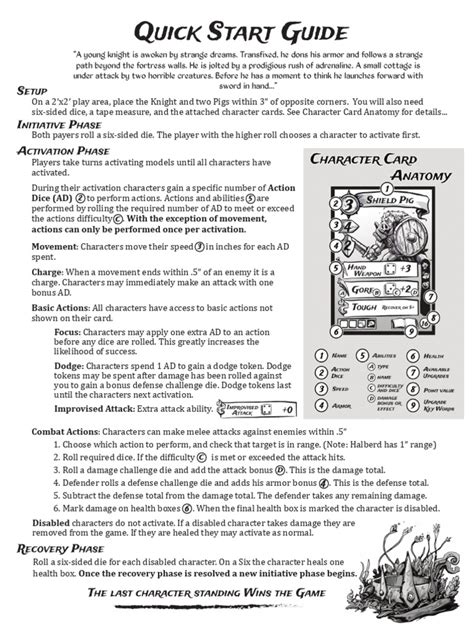
- Welcome & Purpose: Briefly state what the guide covers and who it’s for.
- Game Overview (1-2 sentences): A high-level summary of the game’s premise.
- What You’ll Learn: A bulleted list of key skills the guide will teach.
Getting Started: Your First Steps
- Installation/Setup (if unique): Basic requirements, controls, and settings.
- The Very Basics: Movement, camera control, fundamental interaction.
- Your First Objective: A mini-walkthrough of the initial game quest or area.
Core Gameplay Loop Explained
- Resource Management: How to acquire, use, and manage essential resources.
- Combat Fundamentals: Basic attacks, defense, and simple strategies.
- Progression Systems: Explaining leveling, skill trees, or equipment basics.
Deeper Dives (Optional, for when the player is ready)
- Advanced Mechanics: More complex systems introduced one by one.
- Common Mistakes & How to Avoid Them: Practical tips.
- Glossary of Terms: A quick reference for game-specific jargon.

The Importance of Tone and Encouragement
Maintain a supportive and encouraging tone throughout the guide. Acknowledge that learning a new game takes time and practice. Celebrate small victories and remind players that it’s okay to make mistakes. A friendly voice makes the learning process feel less intimidating and more enjoyable.
Conclusion
An effective beginner game guide isn’t just a list of instructions; it’s a carefully constructed pathway designed to lead new players from confusion to competence. By structuring information progressively, focusing on immediate applicability, and maintaining a clear, encouraging tone, you can create a resource that genuinely helps players overcome initial overwhelm and dive into the rich experience your game offers.