What’s the most effective structure for a beginner game guide to avoid overwhelming new players?

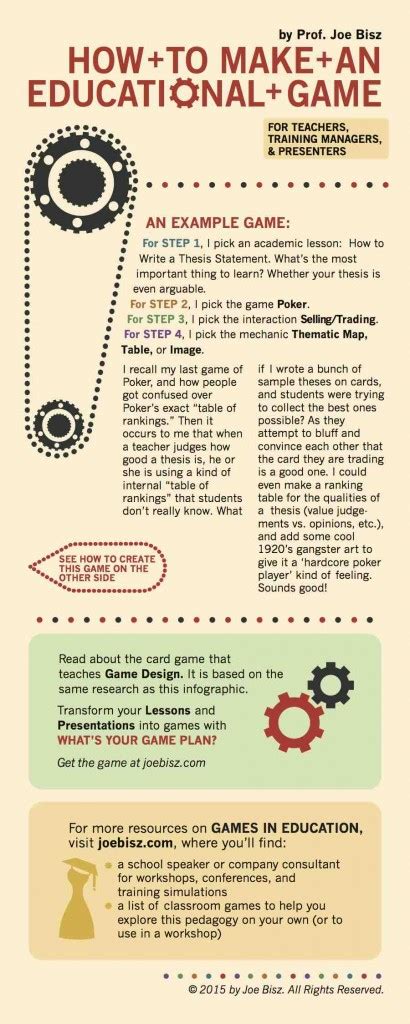
Getting into a new game can be an exciting, yet often daunting, experience. For many players, the initial learning curve can feel like a steep climb, filled with unfamiliar mechanics, intricate lore, and a deluge of information. A poorly structured beginner guide can quickly turn potential enthusiasts away, leading to frustration and abandonment. The key to successful onboarding lies in a guide that gently introduces concepts, prioritizes essential information, and allows new players to build confidence progressively. But what exactly does that structure look like?
The Core Philosophy: Less is More (Initially)
The most crucial principle for any beginner guide is to resist the urge to dump every piece of information at once. New players don’t need to know every advanced strategy or obscure lore detail on day one. Their primary need is to understand enough to play, enjoy, and feel competent. Focus on the absolute essentials required to complete basic actions and achieve initial goals. Information should be layered, starting with the broadest strokes and gradually introducing complexity.
Essential Components of an Effective Beginner Guide
Introduction & Setting Expectations
Begin with a brief overview of what the guide will cover and what the player can expect to learn. Manage expectations by stating that this guide is for beginners and will focus on core mechanics, not advanced strategies. A friendly, encouraging tone helps set a positive mood.
Core Mechanics First (The “How to Play”)
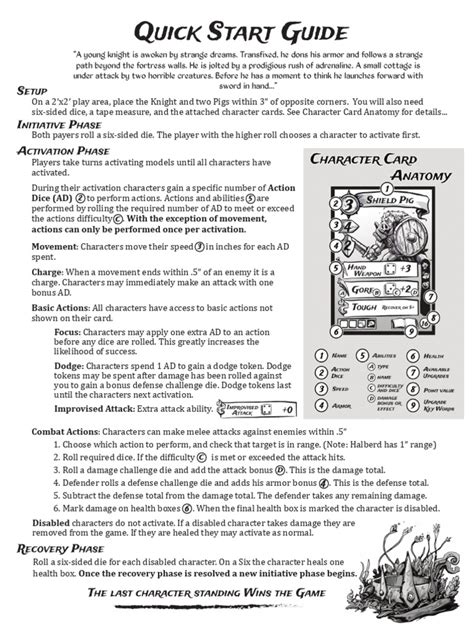
This is the bread and butter. Cover the absolute fundamental actions: movement, basic interaction (e.g., clicking, attacking, opening inventory), and the primary objective of the game (e.g., “kill enemies,” “solve puzzles,” “build a city”). Use simple language and plenty of examples.
The First 15 Minutes / Starter Zone Walkthrough
Many games have a designated starting area or a sequence of initial quests. Guide players through this critical early experience step-by-step. This practical application reinforces the core mechanics just learned and gives players a tangible sense of progress. Screenshots or short video clips (if applicable, though not for this text-based guide) are incredibly useful here.
Key Concepts & Terminology (Glossary)
Introduce game-specific jargon only when necessary and explain it clearly. Consider a mini-glossary or a “terms to know” section that players can reference. Don’t assume prior knowledge of genre conventions.
“What Next?” – Gentle Progression
Once the basics are covered, offer suggestions for what players might want to explore next. This could be the next set of quests, different character builds, or an introduction to a slightly more advanced system. The goal is to provide direction without overwhelming them with a massive “to-do” list. This section acts as a bridge to more complex aspects of the game or other, more advanced guides.
Resources & Community
Conclude by pointing players to official resources (game website, forums, wikis) and community channels (Discord, subreddits). This empowers them to seek further information as they need it and connects them with the broader player base, fostering retention.

Structural Principles for Clarity
- Modular Design: Break information into small, self-contained paragraphs or bullet points. Each section should ideally focus on one concept.
- Visual Aids & Examples: Although this guide is text-only, in a real game guide, images, GIFs, or short videos illustrating concepts are invaluable. Text should clearly describe what would be seen visually.
- Layered Information: Present the “what” and “how” first, then optionally delve into the “why” or advanced strategies. Use collapsible sections or links to deeper dives if the platform allows.
- Active Voice & Encouraging Tone: Write directly to the player, using a supportive and positive voice. Avoid overly technical jargon where possible.
- Testing & Feedback: Have actual new players (not experienced ones) review your guide. Their confusion points are invaluable for refinement.
Ultimately, a beginner game guide isn’t just about imparting knowledge; it’s about facilitating a positive first experience. By adopting a structured, empathetic, and gradual approach, you can transform the initial challenge of a new game into an engaging journey of discovery, setting players up for long-term enjoyment and success.