What’s the most effective format for beginner guides to teach core game mechanics quickly?
For new players, the initial moments with a game are critical. A well-designed beginner guide can be the difference between a player becoming deeply engaged and abandoning the game out of frustration. The challenge lies in efficiently conveying complex core mechanics without overwhelming the learner, ensuring they grasp the fundamentals quickly and effectively.

The Core Principles of Effective Learning
To create truly impactful beginner guides, several pedagogical principles must be prioritized. Understanding these foundations helps shape the format and delivery of crucial information.
Brevity and Focus
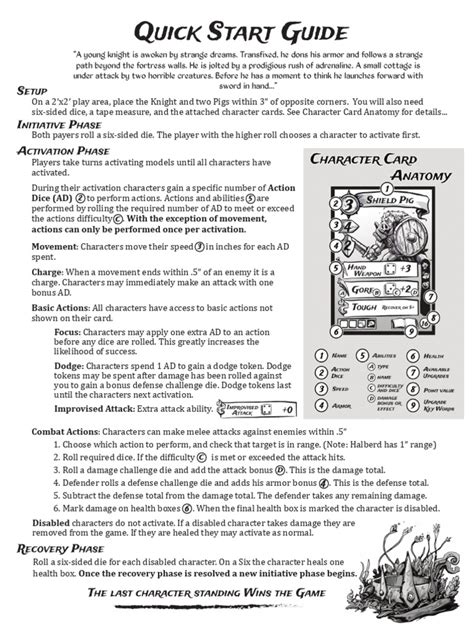
Players want to play, not read extensive manuals. Guides must be concise, focusing only on the essential mechanics needed to begin playing. Each concept should be introduced individually before combining them.
Visual Reinforcement
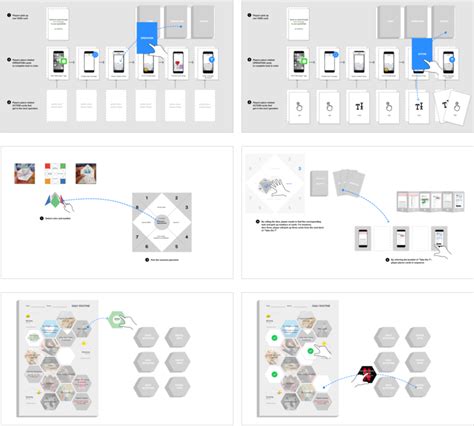
Humans process visuals much faster than text. Incorporating screenshots, animated GIFs, or short video clips demonstrating actions is far more effective than text-only explanations. Show, don’t just tell.
Learn-by-Doing (Experiential Learning)
The most powerful way to learn a game mechanic is to execute it. Interactive tutorials that guide players through an action immediately after explaining it cement understanding and build muscle memory.
Contextual Delivery
Information is best absorbed when relevant. Introducing mechanics precisely when they are needed in gameplay, rather than front-loading everything, reduces cognitive load and enhances retention.
Formats That Deliver Speed and Clarity
Interactive In-Game Tutorials
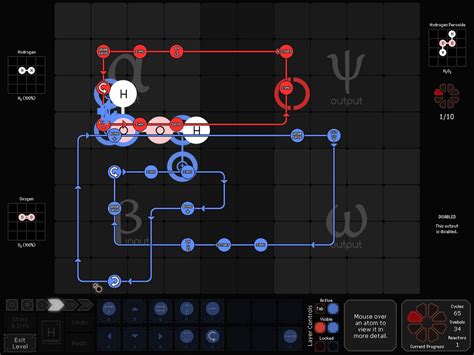
Often considered the gold standard, these tutorials integrate directly into gameplay. They use guided prompts, temporary UI overlays, and mandatory actions to walk players through their first steps. This format ensures immediate application of knowledge.
Short, Focused Video Snippets
For mechanics that are highly dynamic or involve complex timing, a 15-30 second video can be invaluable. These can be integrated directly into help menus or even triggered as pop-ups during gameplay. They are particularly effective for demonstrating movement, combat combos, or UI navigation.
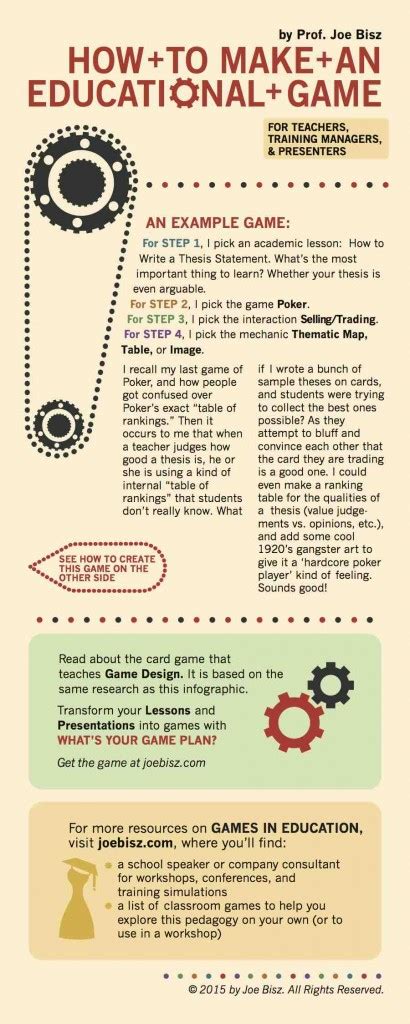
Visual Flowcharts and Infographics
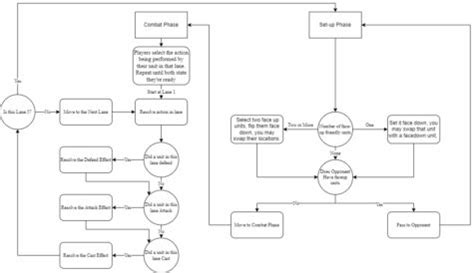
When explaining branching paths, resource management cycles, or complex dependency chains, a well-designed infographic or flowchart can condense a lot of information into an easily digestible visual. These are excellent for ‘at-a-glance’ reference outside of immediate gameplay.
‘Sandbox’ or Training Arenas
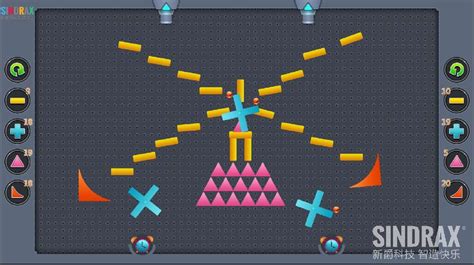
Providing a safe, consequence-free environment where players can experiment with mechanics without pressure allows for self-paced learning and exploration. This complements guided tutorials by offering a space for mastery.
The Hybrid Approach for Optimal Results
The most effective beginner guides rarely rely on a single format. A hybrid approach, combining in-game interactive segments with optional short video explainers and accessible visual reference guides, caters to different learning styles and levels of engagement. Start with essential interactive prompts, provide quick visual aids for complex actions, and offer comprehensive (but optional) reference materials.
Conclusion
Mastering the art of beginner guides means prioritizing clarity, concision, and practical application. By leveraging interactive elements, strong visuals, and contextual delivery, game developers can significantly reduce the learning curve, ensuring new players quickly grasp core mechanics and embark on their gaming journey with confidence and enthusiasm.