What’s the most crucial first step a game guide should cover for new players?
Stepping into a new video game can be an exhilarating yet daunting experience. Modern games often boast vast worlds, complex mechanics, and intricate lore, making the initial hours a potential struggle for newcomers. For a game guide, identifying and clearly articulating the most crucial first step is paramount to a positive player onboarding experience. But what exactly is that fundamental piece of information every new player needs before anything else?
Understanding the Core Objective and Basic Interaction
While many might argue for lore, character creation, or even advanced combat techniques, the single most crucial first step a game guide should cover for new players is a clear explanation of the game’s core objective and basic interaction controls. These two elements form the bedrock of understanding and engagement, allowing a player to orient themselves and begin their journey effectively.

Grasping the Game’s Purpose
Before a player can delve into intricate skill trees or explore vast maps, they need to know what they are supposed to be doing. Is it an RPG where they follow a main quest? A survival game where resource gathering is key? A strategy game focused on empire building? Without understanding the fundamental goal or win condition, all other mechanics exist in a vacuum. A guide should quickly articulate the primary “why” of the game, setting the stage for everything that follows.
This isn’t about spoilers or deep lore; it’s about defining the genre’s inherent challenge and the player’s immediate role within it. For example, in an open-world RPG, the guide might state, “Your primary goal is to embark on a grand quest to defeat the Dark Lord, while also exploring the world and helping its inhabitants.” In a puzzle game, “The objective is to solve logic puzzles using unique item interactions to unlock the next level.”

Mastering Basic Interaction Controls
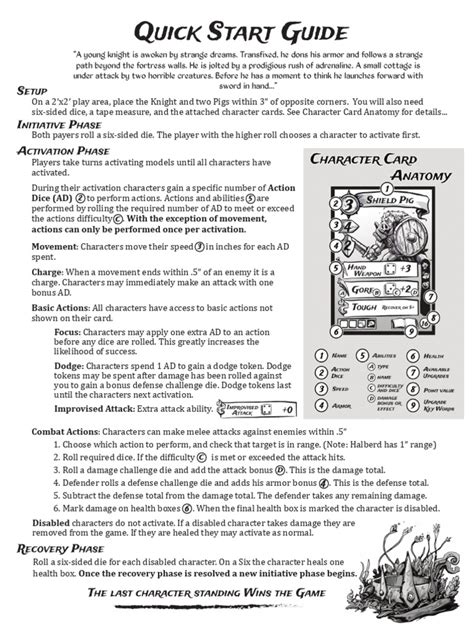
Once a player understands what they need to achieve, the next immediate question is how. This leads directly to the game’s basic interaction controls. How do I move my character? How do I interact with objects? How do I use my primary ability or attack? These are the foundational “language” through which a player communicates with the game world.
A guide must clearly map out these essential controls – movement (WASD, left stick), camera control (mouse, right stick), basic interaction (E, A button), and perhaps a primary attack/action (Left Click, X button). Without this immediate grasp of control, a player can feel lost and frustrated, unable to even begin pursuing the core objective.

Why Other Information Comes Second
While lore, advanced combat tactics, inventory management, or character customization are vital aspects of many games, introducing them too early can overwhelm a new player. Imagine trying to understand the nuances of a complex spell system when you don’t even know how to move your character or what the game is ultimately about. These details are crucial for progression and immersion but are best introduced once the player has a firm grasp of the game’s core purpose and the means to interact with it.

Structuring the Crucial First Step in a Guide
An effective game guide would dedicate its initial section to these two core elements. It should be concise, clear, and perhaps accompanied by visual aids (though not requested here, it’s good practice). The goal is to get the player from “I know nothing” to “I know what I need to do, and I know how to move and interact to start doing it” in the shortest time possible.

Conclusion
The most crucial first step a game guide should cover for new players is a straightforward explanation of the game’s fundamental objective combined with its most basic interaction controls. This foundational knowledge empowers players to take their first meaningful actions, reduces initial frustration, and sets them on a path toward deeper engagement and enjoyment. By prioritizing “what to do” and “how to do it” at the most basic level, a guide ensures a smooth and welcoming entry into any game world.