What’s the best way to write a beginner guide for a complex RPG without overwhelming new players with jargon?

The Art of Simplifying Complexity
Complex role-playing games (RPGs) often present a steep learning curve, brimming with unique mechanics, intricate lore, and specialized terminology. For new players, diving in can feel like being dropped into the deep end of a strange ocean. A well-crafted beginner guide isn’t just about listing features; it’s about providing a clear, supportive pathway into the game’s world without overwhelming them with jargon and unnecessary detail.
Understand Your Audience: The True Novice
Before writing a single word, envision your target reader. They know nothing. Assume zero prior knowledge of the specific game, and perhaps even limited experience with RPGs in general. Your goal isn’t to impress with your knowledge of the game’s deepest systems, but to gently introduce the absolute essentials. What do they need to know to take their first meaningful action and progress without feeling lost?
- Identify core pain points: What are the first few hurdles every new player encounters?
- Empathize with their confusion: Remember your own struggles when first learning the game.
- Focus on immediate gratification: How can they achieve small wins quickly?
Prioritize Core Mechanics Over Comprehensive Detail
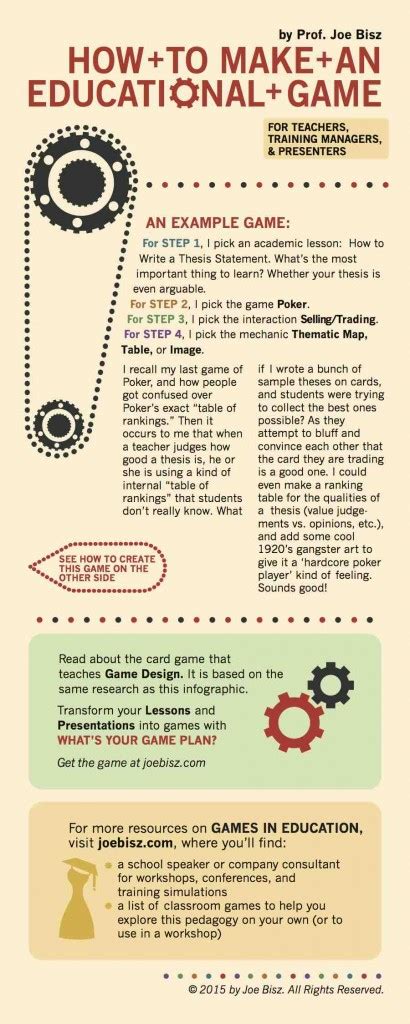
The biggest mistake is trying to explain everything upfront. Instead, identify the 2-3 absolutely critical mechanics a new player must grasp to start playing and have fun. This might include movement, basic combat, inventory management, or quest acceptance. Leave advanced builds, intricate crafting systems, or deep lore discussions for later sections or follow-up guides. Think of it as a funnel, gradually widening as the player gains confidence.
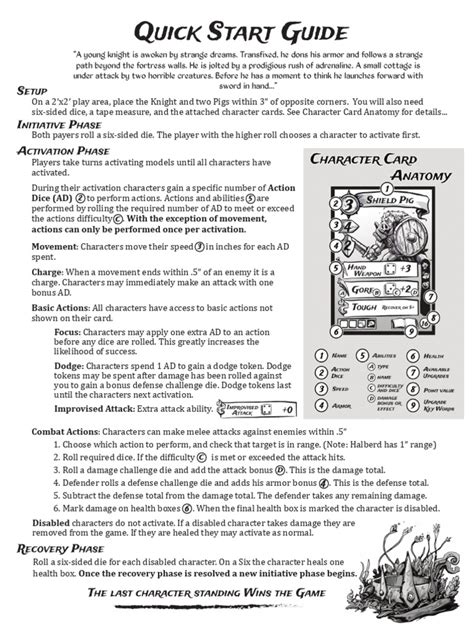
Introduce concepts in a logical, step-by-step progression. For example, explain “HP” (Health Points) before discussing “armor penetration” or “critical hit chance.” Build a foundational understanding piece by piece.
Demystify Jargon Systematically and Concisely
Jargon is unavoidable in complex RPGs, but its introduction can be managed. Never introduce a new term without immediately defining it in plain, simple language. Once defined, use it consistently. Consider creating a mini-glossary for key terms, but integrate explanations naturally within the text first. Use analogies to real-world concepts where possible to make abstract ideas more concrete.
For example, instead of just saying “Vigor scales with your survivability,” explain: “Vigor increases your maximum Health Points (HP), making your character tougher and able to take more damage before being defeated.”

Structure for Scannability and Actionability
New players are often looking for quick answers. Use clear, descriptive headings (like the ones in this article) to break up long sections of text. Employ bullet points, numbered lists, and bold text to highlight key information. Each section should ideally offer actionable advice or explain a specific concept that empowers the player.
- Short paragraphs: Avoid dense blocks of text.
- Step-by-step instructions: Guide them through processes like character creation or their first quest.
- ‘What to do next’ sections: Provide clear objectives after completing a task.

Leverage Visual Aids and In-Game Examples
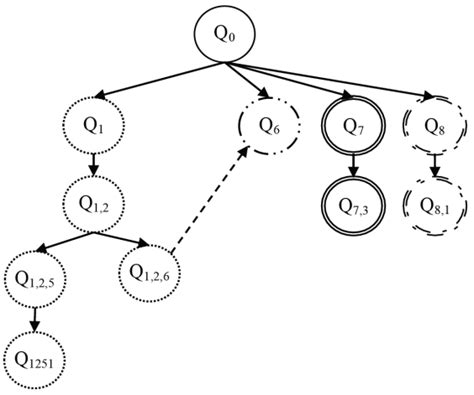
A picture is worth a thousand words, especially when dealing with visual interfaces or complex in-game systems. Screenshots annotated with arrows and circles can instantly clarify where to click, what an icon means, or how a menu functions. Flowcharts can simplify decision trees, and short video clips (if the guide is digital) can demonstrate complex actions.
Provide specific in-game examples rather than abstract explanations. “To equip a new weapon, open your inventory (default key ‘I’), click the weapon, and drag it to the weapon slot on your character sheet.”
Conclusion: Empowering, Not Explaining Everything
The best beginner guide isn’t a comprehensive encyclopedia; it’s a confidence-builder. Its purpose is to get new players over the initial hump, allowing them to experience the game’s core loop and develop a desire to learn more on their own. By focusing on essential information, demystifying jargon gently, and providing clear, actionable steps, you can transform a daunting entry point into an inviting gateway to a rich and complex RPG world.