What’s the best way to structure ‘first steps’ game guides for easy player onboarding?

The Critical Role of Effective First Steps Guides
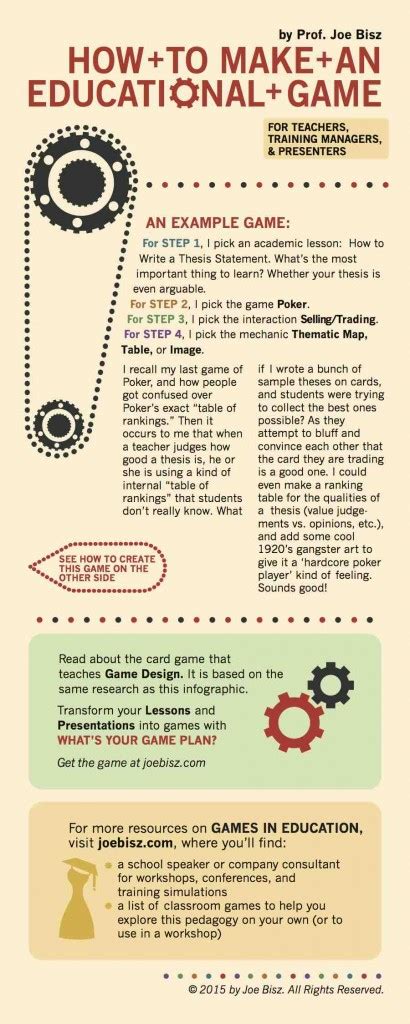
For any game, the initial hours are paramount. They determine whether a new player becomes a loyal fan or abandons the title in frustration. A well-structured ‘first steps’ guide is not just a document; it’s a critical component of the user experience, designed to smoothly transition novices into competent players. It bridges the knowledge gap, reduces friction, and cultivates a sense of accomplishment right from the start. Without a clear path, even the most innovative game can alienate its potential audience.

Core Principles for Onboarding Excellence
1. Clarity and Conciseness Above All
New players are often overwhelmed. Your guide should speak in simple, direct language, avoiding jargon or complex explanations where possible. Each step should convey a single, actionable piece of information. Bullet points, short paragraphs, and bolded keywords are your allies in making information digestible. Resist the urge to dump everything at once; instead, focus on the absolute essentials needed to progress.
2. Progressive Disclosure and Layered Learning
Introduce concepts incrementally. Start with the most fundamental mechanics – movement, basic interaction, primary objectives. Once these are mastered, gradually introduce more complex systems, strategies, or lore. This ‘learn-as-you-go’ approach prevents information overload and allows players to build a solid foundation of understanding before tackling advanced challenges. Think of it as a series of mini-tutorials, each building upon the last.
3. Visual Reinforcement and Examples
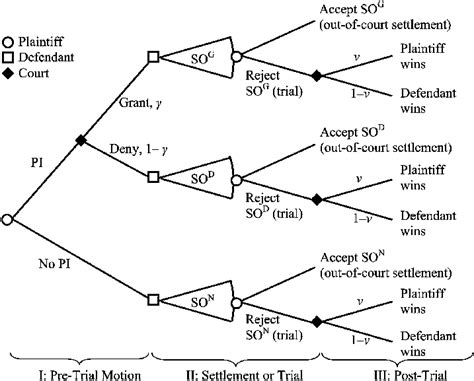
A picture is worth a thousand words, especially in game guides. Screenshots, highlighted UI elements, brief video clips (even if linked externally), or clear diagrams can dramatically improve comprehension. Show, don’t just tell. Illustrate button prompts, demonstrate key actions, or point out important in-game locations. When describing a mechanic, provide a concrete example of how it’s used in the game world.
4. Action-Oriented and Interactive Learning
The best guides don’t just explain; they encourage doing. Structure your guide to prompt players to immediately apply what they’ve learned. For instance, after explaining movement controls, suggest moving to a specific in-game spot. After explaining inventory, suggest equipping an item. This hands-on experience solidifies understanding and makes the learning process feel less like a chore and more like an integral part of the game itself.
Structuring Your Guide for Optimal Flow
Start with the Absolute Basics: The ‘What & How’
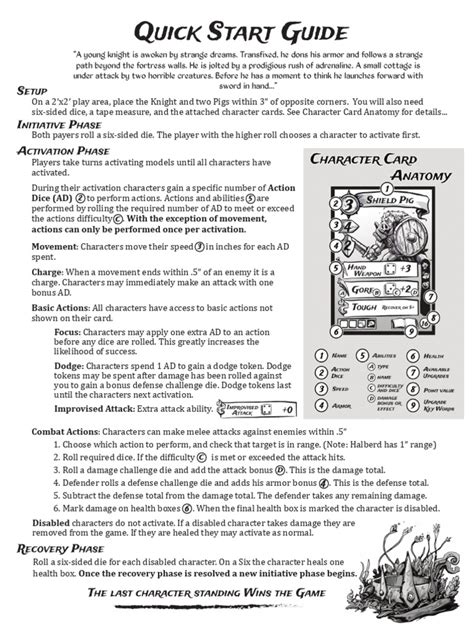
Begin by covering the fundamental controls, the primary objective of the game, and how to achieve it. This should be the ‘can I move and interact?’ phase. Avoid lore dumps or advanced strategies at this point.
Chunk Information into Thematic Sections
Divide your guide into logical sections. Examples include: ‘Movement & Exploration,’ ‘Combat Fundamentals,’ ‘Inventory Management,’ ‘First Quest Walkthrough.’ Each section should have a clear goal and deliver specific, related information.
Utilize Checklists or Progress Trackers
For longer guides, a simple checklist of ‘things to accomplish’ or ‘skills to learn’ can help players feel a sense of progression and avoid getting lost. This can be as simple as ‘✓ Learned basic movement’ or ‘✓ Completed first combat encounter.’

Anticipate Questions with a Mini-FAQ
Near the end of the ‘first steps,’ consider including a small ‘Common First Questions’ or ‘Troubleshooting Basics’ section. This preempts common frustrations and provides immediate solutions, further reducing the barrier to continued play.
Common Pitfalls to Avoid
- Information Overload: Don’t try to explain every single game mechanic upfront.
- Lack of Context: Explain why a mechanic is important, not just how it works.
- Skipping Essentials: Never assume a player knows even the most basic controls.
- Inconsistent Terminology: Use consistent names for items, mechanics, and UI elements.
- No Call to Action: Always encourage the player to perform an action after learning a new concept.

Conclusion: A Smooth Start, a Lasting Impression
Structuring ‘first steps’ game guides effectively is an art that blends pedagogy with user experience design. By prioritizing clarity, employing progressive disclosure, leveraging visuals, and encouraging interaction, you can craft guides that not only teach but also engage. A well-onboarded player is a happy player, more likely to delve deeper into your game and become part of its thriving community. Invest in a superior first experience, and you invest in your game’s long-term success.