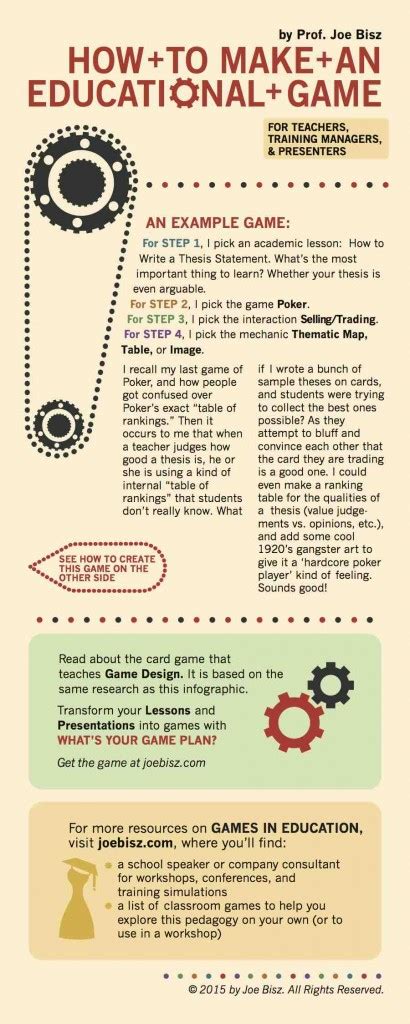
What’s the best way to structure beginner game guides for easy, quick learning?
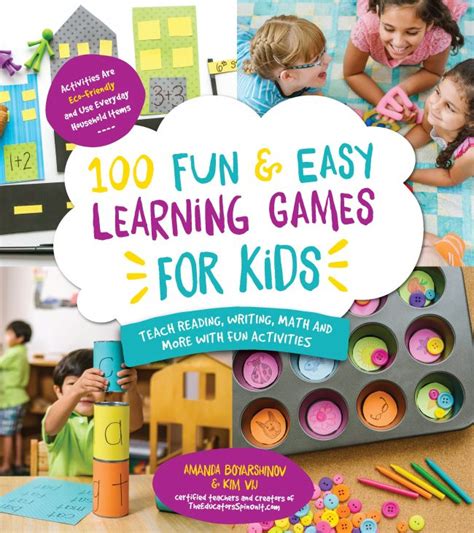
The Art of Simplifying: Why Structure Matters
For newcomers to any game, the initial learning curve can be daunting. A well-structured beginner guide isn’t just helpful; it’s crucial for transforming frustration into fun. The goal is to distill complex mechanics into digestible, easy-to-follow steps, empowering players to grasp core concepts quickly and dive into the gameplay with confidence.
Effective structuring ensures that information flows logically, preventing overwhelm and encouraging continuous learning. Without a thoughtful approach, even the most comprehensive guide can become a confusing mess, hindering rather than helping. Let’s explore the best strategies to build guides that truly educate and engage.
Core Principles for Quick Learning
1. Start with the Absolute Basics (The “Why” and “How to Move”)
Never assume prior knowledge. Begin with the very first actions a player needs to take: how to move, interact, and understand the basic UI. Explain the game’s core objective early on. This foundational understanding prevents early roadblocks and builds confidence from the ground up.
2. Keep it Simple, Concise, and Jargon-Free
Avoid technical jargon wherever possible. If specific game terms are necessary, introduce them clearly and provide a quick definition. Use short sentences and direct language. Break down complex ideas into their simplest components. Players want to learn the game, not decipher an essay.
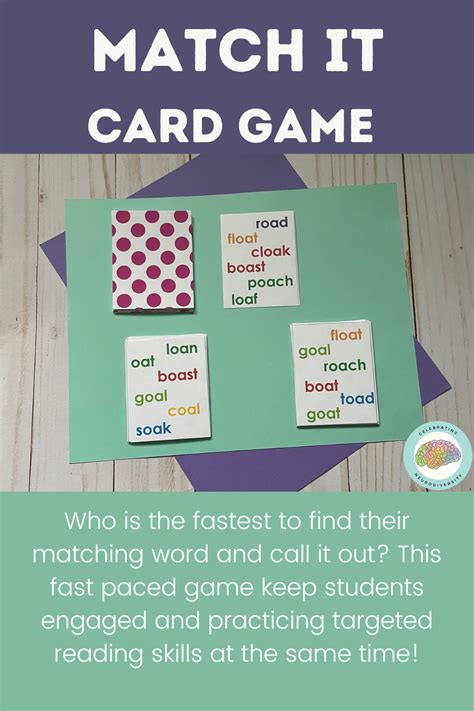
3. Visuals are Vital: Show, Don’t Just Tell
A screenshot, a short GIF, or a clear diagram can convey more information than paragraphs of text. Illustrate UI elements, key locations, or combat sequences. Visual aids reinforce written instructions and cater to different learning styles, significantly speeding up comprehension. Ensure visuals are relevant and clearly annotated.
4. Step-by-Step Progression and Chunking
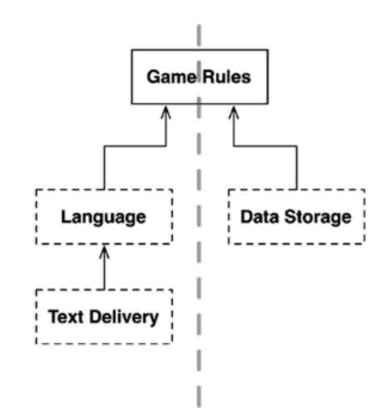
Organize information into logical, bite-sized modules. Instead of one long block of text, use numbered lists for sequences of actions, or distinct paragraphs for related concepts. Each section should build upon the last, creating a natural progression of learning. Think of it as a series of mini-lessons, each with a clear objective.
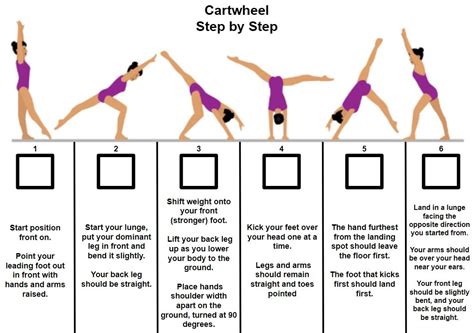
5. Practical Examples and Scenarios
Don’t just explain a mechanic; show how it’s applied in a common game situation. For instance, instead of just defining “aggro,” explain how a tank manages aggro in a dungeon pull. Real-world examples make abstract concepts tangible and immediately applicable.
6. Anticipate Questions and Common Pitfalls
What are new players most likely to struggle with? Address these common challenges proactively. A small “Troubleshooting” or “Common Mistakes” section can save players a lot of frustration and keep them engaged.
Structural Elements for Optimal Flow
- Table of Contents (TOC): For longer guides, a clickable TOC at the beginning allows players to jump directly to specific topics.
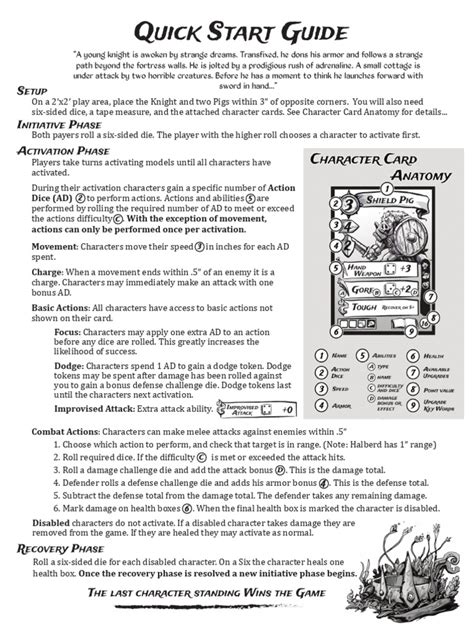
- Quick Start / “Getting Started” Section: A super condensed version of the absolute essentials for those who want to jump in immediately.
- Glossary of Terms: A dedicated section for game-specific terminology, useful for reference.
- “What’s Next?” / Advanced Tips: Once the basics are covered, gently introduce players to intermediate concepts or suggest next steps for mastery.
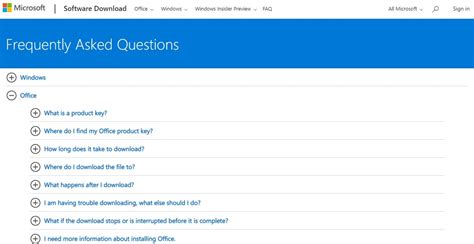
- FAQ Section: A dedicated area for common questions, often better placed towards the end or integrated into relevant sections.

Conclusion: Empowering New Explorers
Structuring a beginner game guide effectively is about empathy. Put yourself in the shoes of a brand new player, unfamiliar with everything. By prioritizing simplicity, visual aids, logical progression, and practical application, you can create a guide that not only teaches but also inspires confidence and fosters a love for the game. A great guide doesn’t just impart knowledge; it empowers new players to embark on their adventure feeling prepared and excited, ensuring they stick around and truly enjoy the experience.