What’s the best way to structure a new game guide to avoid player overwhelm?

Navigating the New Player Journey Without Overwhelm
Creating a game guide for a new title is an exciting challenge, but it comes with a critical responsibility: ensuring new players aren’t immediately overwhelmed by a deluge of information. The goal is not just to provide data, but to present it in a digestible, progressive manner that fosters learning and encourages continued engagement. A poorly structured guide can lead to frustration, premature abandonment, and a lost player. The key lies in strategic organization and an understanding of the new player’s mindset.
Core Principles for an Unoverwhelming Guide
To build a guide that genuinely helps rather than hinders, several core principles should guide your structural decisions:
- Progressive Disclosure: Don’t dump everything at once. Introduce concepts as they become relevant or necessary. Start with the absolute basics and gradually layer on complexity.
- Prioritization: Differentiate between “need-to-know” (essential for basic gameplay) and “nice-to-know” (advanced strategies, lore, optional content). New players primarily need the former.
- Modularity: Break down information into small, self-contained sections. This allows players to find specific answers quickly without sifting through unrelated content and makes the guide feel less daunting.
- Clarity and Conciseness: Use simple language, short sentences, and avoid jargon where possible. If jargon is necessary, explain it clearly.
- Visual Aids (Implicit): While we’re placing anchors, remember that actual images, diagrams, and videos in a real guide are invaluable for explaining complex mechanics faster than text alone.
Prioritize & Progressive Disclosure
Imagine a player opening your guide for the very first time. What do they absolutely need to know to take their first steps in the game? This often includes movement controls, basic combat or interaction mechanics, and primary objectives. Leave advanced crafting recipes, detailed lore, or end-game strategies for later sections. A chronological or thematic progression often works best, mirroring the player’s likely journey through the game.

Modularity and Accessibility
Each topic in your guide should ideally be its own distinct segment. This allows players to jump directly to specific queries. For instance, instead of a single massive “Gameplay Mechanics” chapter, have separate sections for “Movement,” “Inventory,” “Combat Basics,” “Resource Gathering,” etc. Implement a clear table of contents, searchable index, or internal linking system to enhance navigation. This transforms the guide from a linear read into a dynamic reference tool.
Practical Structuring Strategies
Translating these principles into a concrete structure involves several actionable steps:
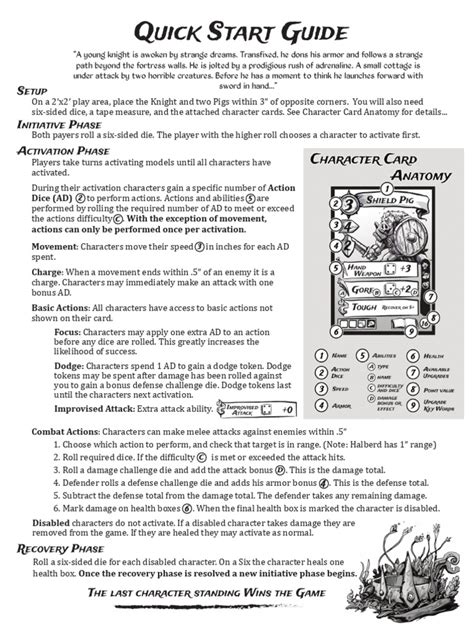
- The Absolute Essentials First: Dedicate an initial section (e.g., “Getting Started” or “First Steps”) to core controls, UI elements, and initial objectives. This should be minimal, actionable, and get the player playing quickly.
- Categorize Information Logically: Group related topics. Common categories include:
- Basic Controls & UI
- Game Modes & Objectives
- Characters/Classes & Abilities
- Combat & Exploration
- Crafting & Economy
- Advanced Strategies & End-Game
- Lore & Worldbuilding (often separated or linked)
Each category can then be broken down into sub-sections.
- Leverage Internal Linking & Navigation: Use a clear table of contents (TOC), hyperlinked keywords, and cross-references. If a player is reading about “Crafting” and needs to understand “Resource Gathering,” a direct link to that section is invaluable.
- The “Learning Path” Approach: Some guides benefit from outlining a suggested reading order or “learning path” for truly new players, guiding them through essential topics before branching into optional or advanced ones.

Continuous Improvement and Feedback
A game guide is rarely a “set it and forget it” document. As the game evolves, so too should the guide. Furthermore, actively solicit feedback from new players. Are they getting stuck at certain points? Is some information unclear? Observing how players interact with both the game and the guide can provide invaluable insights for refinement. By continuously refining your guide, you ensure it remains an effective tool for player onboarding.
Conclusion
The best game guide isn’t the one that contains the most information, but the one that delivers it most effectively. By embracing progressive disclosure, modular design, clear language, and logical categorization, you can craft a guide that empowers new players without overwhelming them. This thoughtful approach not only makes the initial learning curve smoother but also encourages long-term engagement and enjoyment of your game.