What’s the best way to structure a beginner game guide for quick, actionable learning?

Creating an effective beginner game guide isn’t just about listing controls; it’s about crafting a learning journey that quickly empowers new players. For quick, actionable learning, a guide needs to be intuitive, progressive, and relentlessly focused on practical application. This means moving beyond encyclopedic dumps of information to a more streamlined, goal-oriented approach.
Start with the “Why” and Core Concepts
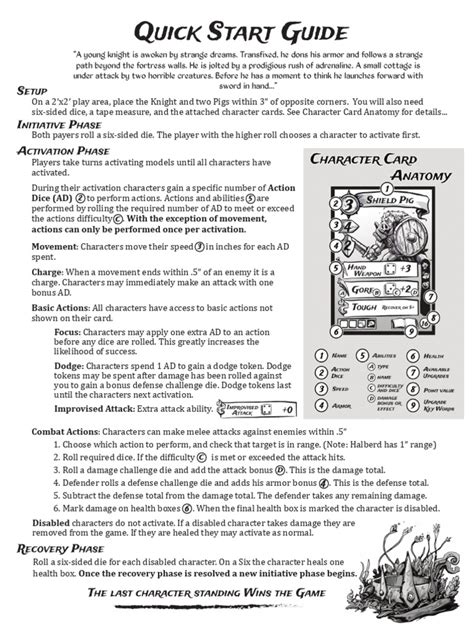
Before diving into a myriad of buttons and menus, a beginner guide should first articulate the game’s core loop and primary objectives. Why are players doing what they’re doing? What’s the main goal? Understanding the purpose provides context for all subsequent mechanics. Begin with the absolute essentials: movement, basic interaction, and the immediate objective of the tutorial or first few minutes of gameplay.
Progressive Information Unlocking
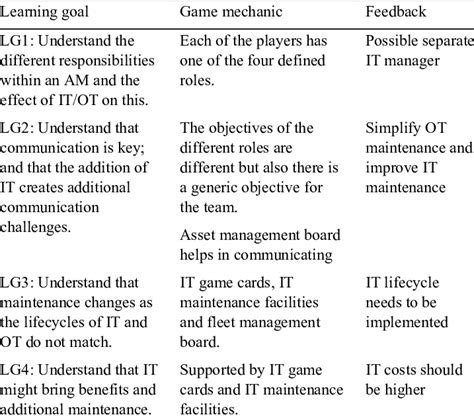
Overloading new players with too much information at once is a common pitfall. The best guides introduce concepts progressively, building one skill upon another. Think of it like a game’s own tutorial: introduce a mechanic, let the player practice it, then introduce the next. This typically means:
- Core Mechanics First: Focus on the very fundamental actions required to play (e.g., move, attack, interact).
- Layering Complexity: Once core actions are grasped, introduce secondary systems (e.g., inventory, skill trees, advanced combat).
- Contextual Learning: Explain features as they become relevant in the player’s journey, not just upfront.
Each section should tackle one or two new concepts, ensuring mastery before moving on. This method prevents cognitive overload and reinforces learning through immediate application.

Emphasis on Actionable Steps and Practice
A guide isn’t just information; it’s a set of instructions designed for immediate action. Every piece of advice should lead to a clear “do this.” Instead of just explaining a skill, tell the player when and how to use it effectively. Provide simple, achievable practice tasks, even if they’re hypothetical. For instance, instead of “The Jump button is X,” try “To clear this gap, press X to jump.” Include mini-challenges or “try this now” prompts throughout the guide.

Leverage Visuals and Concise Language
A picture is worth a thousand words, especially in game guides. Screenshots, highlighted UI elements, simple diagrams, or even short animated GIFs (though we can only imply these through descriptions) can significantly accelerate understanding. Pair these visuals with direct, concise language. Avoid jargon where possible, or define it clearly if necessary. Use bullet points and short paragraphs to break up text and make it scannable. New players are often eager to play, not read an essay.

Include Troubleshooting and Next Steps
No guide can cover every scenario, but a good one anticipates common roadblocks. Add a small troubleshooting section for typical beginner issues (e.g., “stuck in X situation,” “can’t find Y item”). Equally important are “next steps” suggestions. Once a player has mastered the basics, where should they go? What are some early goals or recommended activities? This transitions them smoothly from guided learning to independent exploration, preventing them from feeling lost after the guide concludes.

Conclusion: Clarity, Progression, Action
Structuring a beginner game guide for quick, actionable learning boils down to three core pillars: clarity in presenting the “why” and “how,” a logical progression of information from simple to complex, and a relentless focus on immediate, actionable steps. By adopting these principles, you can transform a dense manual into an engaging, empowering resource that gets new players enjoying the game faster and more effectively.