What’s the best way to simplify complex game rules in beginner guides for any game?

Introducing newcomers to a game with intricate rules can often feel like teaching a foreign language without a dictionary. The goal of a beginner guide isn’t to dumb down the game, but to make its core mechanics and initial experience digestible, enjoyable, and most importantly, understandable for someone with zero prior knowledge. Achieving this balance requires strategic thinking and a focus on clarity.
Understand Your Audience: The True Beginner
The first step in crafting an effective beginner guide is to truly empathize with your audience. A beginner knows nothing; they don’t understand the jargon, the implicit strategies, or even the basic flow of a game. Your guide must assume zero prior knowledge, explaining every concept from the ground up.
Avoid the ‘curse of knowledge’ – the tendency to assume others understand what you do. Every term, every phase, every action needs to be introduced as if it’s the first time the reader has ever encountered it, building their understanding brick by brick.

The Core Loop First: Get Them Playing Fast
Complex games often have many layers of rules, exceptions, and strategic nuances. For a beginner, the most critical piece of information is how to take the first turn and progress through the game’s fundamental cycle. Focus exclusively on the ‘core loop’ – the absolute minimum rules required to start playing and experience the game’s basic rhythm.
Defer advanced rules, edge cases, strategic tips, and detailed scoring explanations to later sections or even to an ‘intermediate’ guide. The immediate goal is to get the player engaged and experiencing the fun, not overwhelmed by every possible contingency.
Chunking Information: Digestible Bites
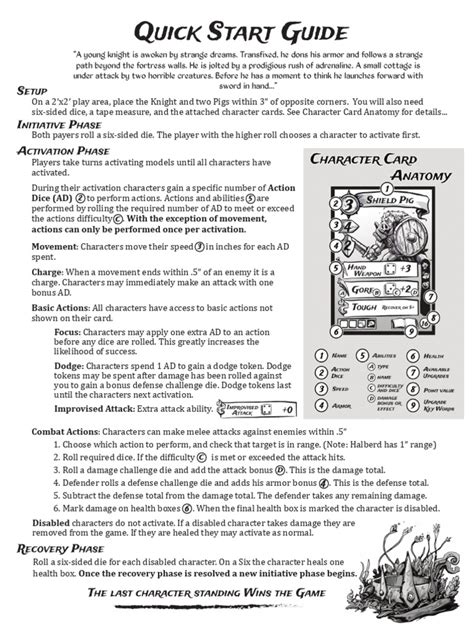
Large blocks of text are intimidating. Break down rules into small, manageable sections, each dedicated to a single concept or phase. Utilize clear headings, subheadings, bullet points, and numbered lists extensively. Short paragraphs are your friend, as they prevent information overload and make scanning for specific rules much easier.
Think of the guide as a series of mini-lessons, each building upon the last without overtaxing the reader’s working memory. This modular approach allows beginners to absorb information gradually and revisit specific sections without rereading an entire chapter.

Visual Aids and Examples are Your Best Friends
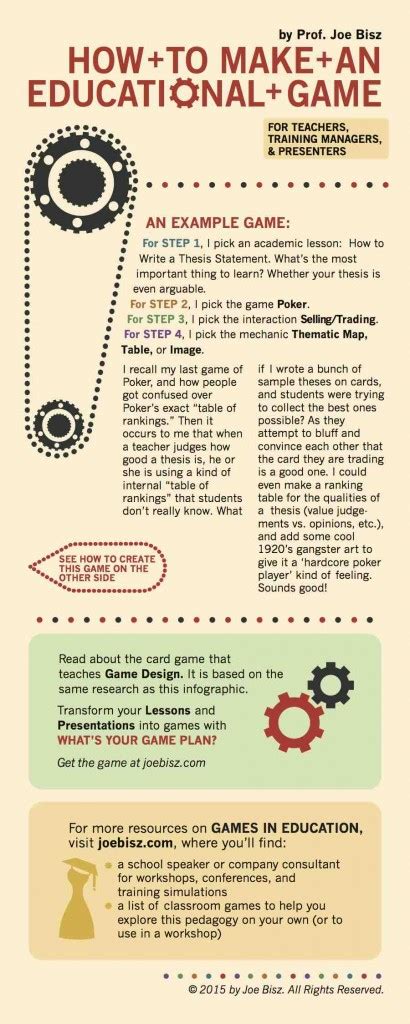
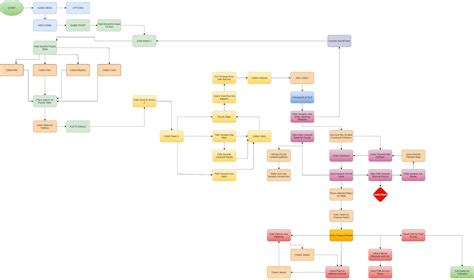
Text-only explanations of complex rules can be dry and confusing. Integrate visual aids whenever possible: diagrams illustrating game setup, flowcharts explaining turn order, annotated screenshots highlighting components, or simple infographics demonstrating key concepts. A well-placed image can often convey more information faster than several paragraphs of text.
Beyond visuals, concrete examples are crucial. Instead of just stating a rule, show it in action. Provide step-by-step examples of a player’s turn, how a specific ability is used, or how scoring is calculated in a simple scenario. These practical demonstrations solidify understanding far more effectively than abstract descriptions.
Gradual Revelation: Layering Complexity
Don’t throw every rule at the beginner at once. After covering the core loop, introduce additional rules and mechanics gradually. This ‘layering’ approach allows players to master basic concepts before encountering more advanced interactions. For instance, you might first explain movement and basic attacks, then introduce special abilities, then environmental effects, and so on.
Consider sections like “Your First Game (Simplified Rules)” followed by “Adding More Depth” or “Advanced Concepts.” This structured progression prevents beginners from feeling overwhelmed and gives them a clear path to mastery.
Simple Language and Jargon Control
One of the biggest hurdles for beginners is game-specific jargon. Avoid using terms like ‘AP,’ ‘aggro,’ ‘VP,’ or ‘crit’ without first clearly defining them. When you do introduce new terms, do so with clear, concise definitions, and try to use consistent language throughout the guide. If a common word can replace a technical term without losing meaning, opt for simplicity.
Where appropriate, analogies can be incredibly helpful. Relating a new game concept to something familiar from everyday life or other common games can create immediate understanding for a beginner.

The “Why” Behind the “How”
While a beginner guide primarily focuses on the ‘how-to,’ occasionally explaining the ‘why’ behind a rule can deepen understanding and make it more intuitive. Briefly explaining the design intent or the strategic implication of a rule can help players grasp its importance and context, making it easier to remember and apply.
Test and Iterate
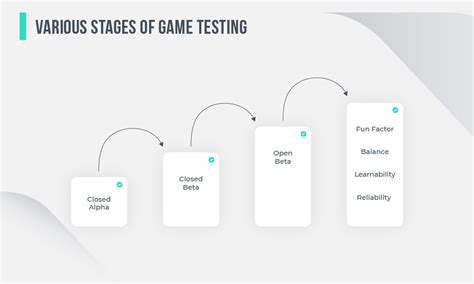
The true test of a beginner guide is its effectiveness with actual beginners. Recruit people who have never played the game (or even games in general) and have them read through your guide. Observe where they get stuck, what questions they ask, and where they misunderstand concepts. Their feedback is invaluable for identifying areas that need further simplification or clarification.
Conclusion
Simplifying complex game rules for beginner guides is an art that blends clear communication with empathy for the learner. By focusing on core loops, breaking down information, utilizing visuals and examples, and introducing complexity gradually, you can transform an intimidating rulebook into a welcoming gateway. The ultimate goal is to remove barriers to entry, allowing more people to discover the joy and depth that your game offers.