What’s the best way to simplify complex game mechanics for new players in a beginner guide?
Understanding the New Player’s Perspective
Stepping into a new game, especially one with intricate systems, can be daunting for any player. For a beginner, a poorly structured guide can quickly lead to frustration and abandonment. The goal of a beginner guide isn’t just to explain what a mechanic does, but to help a new player understand its purpose, how it interacts with other systems, and why it matters to their gameplay experience. Empathy for the new player is key: they don’t know the jargon, the meta, or even the basic controls yet.

Core Principles for Effective Simplification
Before diving into specific techniques, establish foundational principles. Always aim for clarity, conciseness, and relevance. Every piece of information shared should directly contribute to the player’s ability to play and enjoy the game. Avoid overwhelming them with too much detail at once. Focus on the most essential information needed to get started, and then build upon that foundation gradually.
1. Layered Learning: Introduce Concepts Gradually
One of the most effective strategies is to introduce mechanics in layers. Instead of dumping all information at once, present the absolute basics required for initial engagement. Once the player has grasped these fundamentals, introduce more advanced details or nuances. For example, explain basic movement and attack first, then introduce special abilities, and much later, intricate resource management or advanced combo systems. This phased approach prevents cognitive overload.
2. Use Relatable Analogies and Real-World Examples
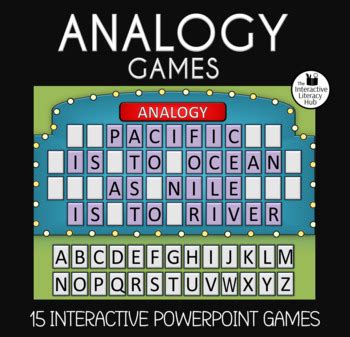
Complex game systems often mirror real-world concepts, even if abstractly. Leverage this by using analogies. Is the game’s economy similar to a stock market? Does character progression resemble building a skill in real life? Relating a new concept to something the player already understands can bridge the knowledge gap instantly, making the unfamiliar feel familiar and less intimidating.
3. Prioritize “Why” Before “How”
Players are more likely to engage with and remember a mechanic if they understand its importance. Instead of just stating “Press X to use ability,” explain *why* using that ability is beneficial: “Using ability X allows you to stun enemies, creating an opening for more damage.” Understanding the strategic value provides context and motivation for learning the “how.”
4. Employ Strong Visual Aids and Interactive Examples
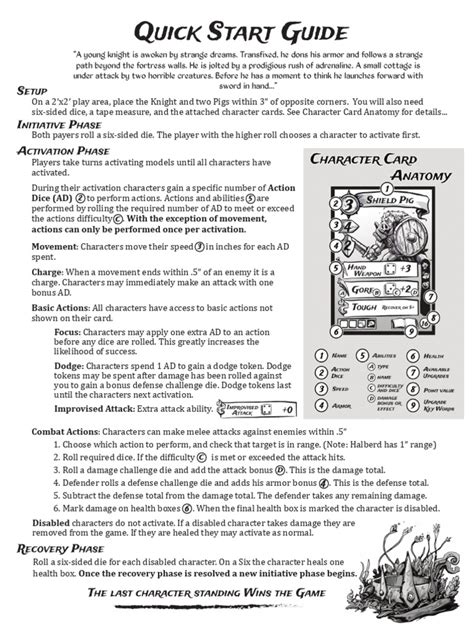
A picture is worth a thousand words, especially in game guides. Screenshots, highlighted UI elements, flowcharts, or short GIFs/videos (even if just described in text for a static guide) can clarify complex processes much faster than text alone. Show, don’t just tell. If a guide is interactive, offer small, guided practice segments where players can immediately apply what they’ve learned.
5. Break Down Complex Systems into Manageable Chunks
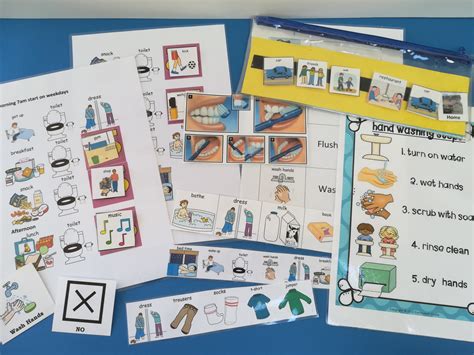
A massive skill tree or crafting system can be overwhelming. Break it down. Instead of presenting the entire skill tree, focus on the first few essential skills. For crafting, explain the simplest recipe first, then introduce ingredient acquisition, and finally, advanced recipes or optimization. Each chunk should be digestible and provide a sense of accomplishment upon understanding.
6. Focus on Immediate Relevance and Practical Application
When introducing a mechanic, always link it to immediate, tangible benefits for the player. How will this mechanic help them survive the next encounter, progress through a quest, or achieve a short-term goal? Abstract explanations are less effective than concrete examples of how a mechanic can be applied in gameplay right now.
Crafting the Guide: Tone and Structure
Beyond the content itself, the presentation matters. Use clear, concise language, avoiding jargon where possible or explaining it immediately. Maintain an encouraging and friendly tone. Structure the guide logically with clear headings, bullet points, and short paragraphs to improve readability. A good guide doesn’t just inform; it empowers the player to explore and enjoy the game on their own terms.
Conclusion: Empowering New Players
Simplifying complex game mechanics isn’t about dumbing down the game; it’s about building a clear, accessible pathway for new players to appreciate its depth. By adopting layered learning, using relatable examples, focusing on purpose, and employing strong visuals, a beginner guide can transform potential frustration into genuine enjoyment, fostering a stronger, more engaged player base. Remember, a great game is only truly great if players can understand and interact with its core systems.