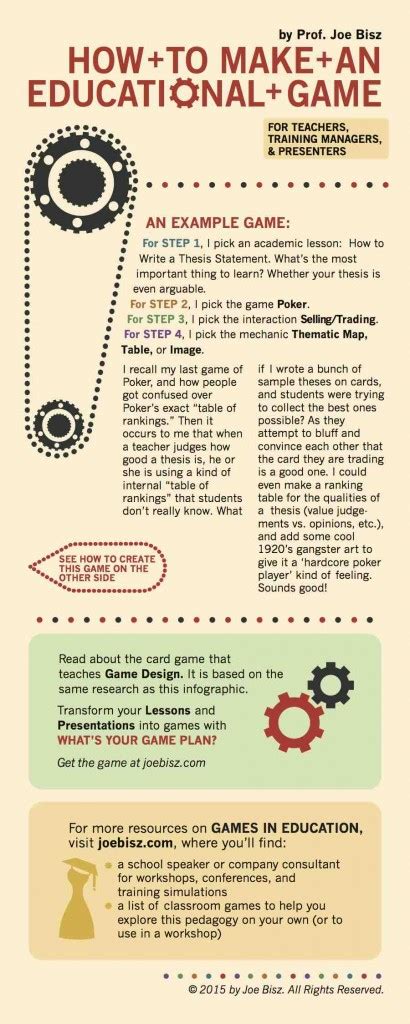
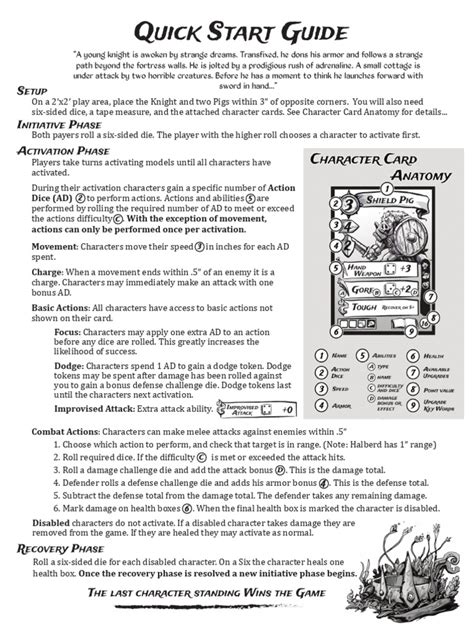
What’s the best way to explain game jargon clearly in beginner guides for new players?

The Jargon Wall: Why It’s a Barrier for New Players
Entering the world of a new video game can be an exhilarating experience, but for many new players, it often comes with a steep learning curve – not just in mechanics, but in language. Every game, especially complex genres like MMORPGs, MOBAs, or fighting games, develops its own unique lexicon of terms, acronyms, and shorthand. This ‘game jargon’ is second nature to veterans but can feel like an impenetrable wall for newcomers, leading to confusion, frustration, and ultimately, disengagement.
Imagine trying to understand a conversation where every other word is alien. That’s the reality for a new player encountering terms like ‘agro,’ ‘DPS,’ ‘CC,’ ‘ult,’ ‘buff,’ ‘nerf,’ or ‘flank’ without proper context. A well-crafted beginner guide isn’t just about teaching controls; it’s about translating this specialized language into understandable concepts, making the game accessible and enjoyable from the very start.

Core Strategies for Demystifying Game Terms
1. Contextual Explanations: Explain as You Go
One of the most effective methods is to explain jargon exactly when and where it’s relevant. Instead of dumping a massive glossary on a new player, introduce terms organically. When discussing a ‘tank’ character, explain what a tank does, why they’re important, and what ‘aggro’ means in that context. This active, in-the-moment explanation helps players connect the term directly to its function and impact within the game.
2. Dedicated Glossaries or Tooltips
While contextual explanations are paramount, a supplementary resource is also invaluable. A concise, easy-to-find glossary, either at the end of a guide or linked within, serves as a quick reference point. For digital guides, implementing interactive tooltips – where hovering over a jargon term reveals its definition – offers a seamless learning experience without disrupting the flow of reading. Ensure these definitions are brief, accurate, and use simple language.

3. Analogies and Real-World Comparisons
Human beings learn best by relating new information to what they already know. Leverage this by using analogies or real-world comparisons to clarify game jargon. For instance, explaining ‘crowd control’ (CC) could be likened to a traffic cop directing vehicles or a referee managing players in a sport. ‘DPS’ could be explained as a damage-per-second output, similar to how a car’s horsepower measures its power. These comparisons bridge the gap between abstract game mechanics and relatable concepts.
4. Visual Aids: Show, Don’t Just Tell
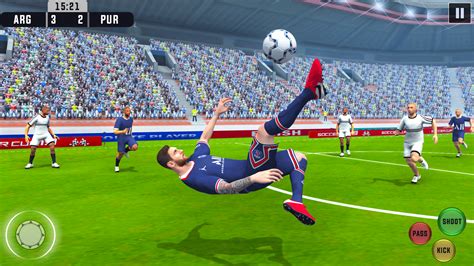
A picture is worth a thousand words, especially when dealing with abstract game concepts. Screenshots, diagrams, and short video clips can dramatically enhance clarity. Show a screenshot of a character with a ‘buff’ icon above their head and highlight it, explaining what the icon means. Use a diagram to illustrate ‘flanking’ positions or ‘aggro’ radii. Visuals reduce cognitive load and solidify understanding faster than text alone.
Best Practices for Clear Communication
5. Start Simple, Build Complexity
Avoid overwhelming new players with every single piece of jargon upfront. Introduce fundamental terms first, those essential for basic understanding and immediate gameplay. As players progress and master initial concepts, introduce more advanced or niche terminology. This progressive learning approach prevents cognitive overload and builds confidence.
6. Be Concise and Avoid Overwhelm
When defining terms, get straight to the point. Long, overly technical explanations can be just as confusing as no explanation at all. Use simple sentence structures and avoid internal jargon when defining other jargon. Focus on the core meaning and its practical implication for the player. Remember, the goal is clarity, not a thesaurus entry.

7. Test and Iterate
The best way to ensure your explanations are clear is to test them. Have someone unfamiliar with the game read your guide and provide feedback. Are there any terms they still don’t understand? Do they feel overwhelmed? Use this feedback to refine your language, add more examples, or incorporate additional visuals. Effective communication is an iterative process.
Conclusion: Paving the Way for New Adventures
Demystifying game jargon in beginner guides isn’t just a nicety; it’s a critical component of successful player onboarding and retention. By employing contextual explanations, dedicated resources, relatable analogies, powerful visuals, and a commitment to clear, concise communication, guide creators can transform potential frustrations into rewarding learning experiences. Helping new players understand the language of a game is the first step in helping them truly enjoy and master it, opening the door to countless hours of adventure.