What’s the best way to explain game basics so new players can start playing quickly?
Mastering the Art of Swift Game Onboarding
Introducing a new game to someone can be a delicate balance. You want to convey enough information for them to grasp the mechanics, but not so much that they feel overwhelmed and lose interest before even pressing ‘start’. The goal is always to get new players playing quickly, enjoying themselves, and feeling competent from the get-go.
The success of a new player’s first experience often dictates whether they’ll stick around. A well-explained foundation can turn a novice into a lifelong fan, while a confusing introduction can lead to frustration and abandonment. So, what are the most effective ways to break down complex game systems into easily digestible nuggets of information?

Focus on the Core Loop and Immediate Goals
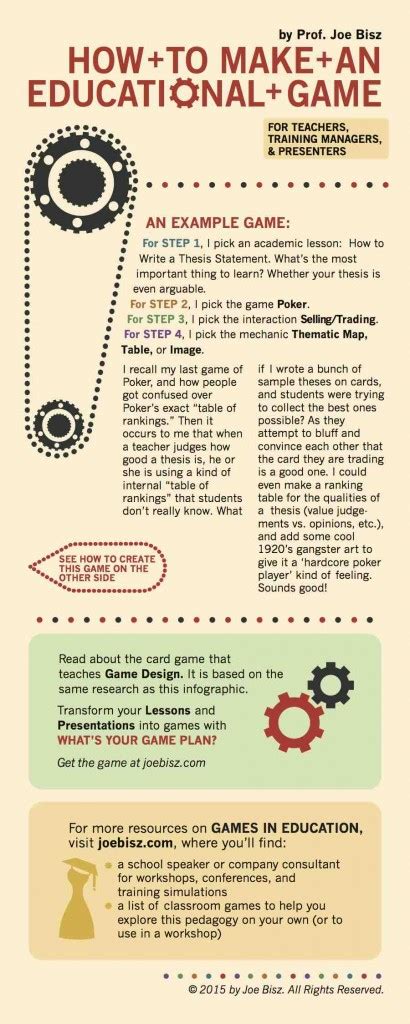
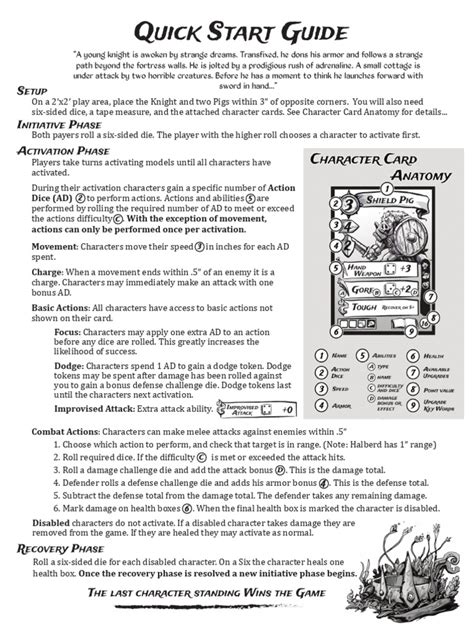
The single most crucial aspect to explain first is the game’s core loop: what players do repeatedly, and why. Whether it’s “move, shoot, loot” in an RPG, or “place tile, score points” in a board game, identify the primary actions and their immediate rewards. Resist the urge to explain every nuanced rule or advanced strategy upfront. Instead, prioritize the actions that will allow them to complete their first basic objective.
For instance, in a strategy game, instead of detailing every unit type and technology tree, show them how to build their first structure and gather their first resource. In a card game, explain how to draw a card, play a basic card, and win a round. This ‘need-to-know’ approach cuts through the noise and empowers players with actionable knowledge.
Hands-On Experience: Learning by Doing
People learn best by doing. Static rulebooks or lengthy dialogue boxes can be daunting. Instead, integrate explanations directly into gameplay. A well-designed tutorial guides players through their first few actions, allowing them to perform the movements, click the buttons, or play the cards themselves, rather than just reading about them. This active participation cements understanding far more effectively than passive information consumption.

Consider interactive prompts, guided missions, or even a simplified “sandbox” mode where players can experiment without penalty. By experiencing the consequences and rewards of their actions firsthand, players develop an intuitive feel for the game’s mechanics much faster.
Utilize Visuals and Contextual Cues
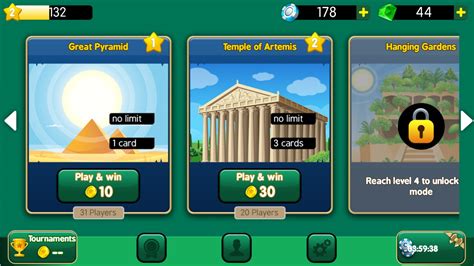
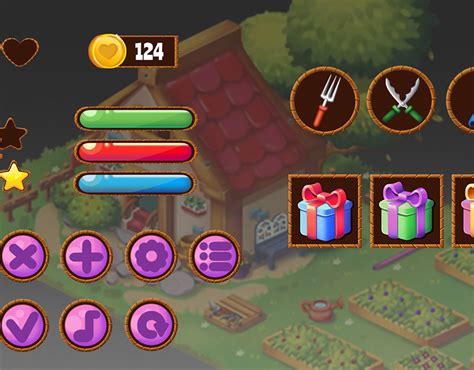
A picture is worth a thousand words, especially in game explanations. Use clear icons, highlighted UI elements, brief animated demonstrations, or simple diagrams to illustrate concepts. Arrow overlays pointing to crucial buttons, pop-up text appearing when a new item is acquired, or character dialogue providing hints during a task can be incredibly effective. Visual cues reduce cognitive load and make information immediate and digestible.
Avoid jargon where possible, or if necessary, introduce it clearly with immediate visual context. For example, instead of just saying “your mana regenerates,” show a mana bar visibly filling up after a short delay.
The “Just-in-Time” Information Delivery
Don’t dump all information at once. Provide explanations only when they become relevant. When a player encounters a new enemy type, explain its weakness. When they unlock a new ability, show them how to use it. This “just-in-time” approach prevents information overload and ensures that players are engaged with the information because it directly applies to their current situation.
Modern games often employ tooltips that appear on hover, or dynamic prompts that trigger only when a player attempts an action for the first time. This ensures that the learning curve feels natural and integrated, rather than an obstacle to overcome.

Celebrate Small Victories and Build Confidence
New players can quickly become discouraged if they feel like they’re failing repeatedly. Design the initial stages to offer frequent, small victories. Whether it’s defeating a weak enemy, solving a simple puzzle, or successfully completing a basic crafting recipe, these early successes build confidence and encourage continued play. Positive reinforcement, even subtle acknowledgements, can significantly impact a new player’s willingness to delve deeper into the game.
These initial triumphs demonstrate competency and show the player the immediate fun and rewards the game offers, reinforcing the desire to learn more complex systems later.

Conclusion: Get Them Playing, Keep Them Engaged
The best way to explain game basics quickly isn’t about shortening explanations, but about optimizing them for impact and engagement. By prioritizing the core loop, fostering hands-on learning, leveraging visual aids, delivering information contextually, and building confidence with early successes, you can transform the daunting task of learning a new game into an exciting and rewarding journey. The ultimate goal is to remove barriers to entry, allowing new players to dive into the fun and discover the game’s depth at their own pace.