What’s the best way to explain complex game mechanics in simple terms for new players?

The Challenge of Explaining Game Complexity
Many games thrive on intricate systems and deep mechanics, but this very depth can be a significant barrier for newcomers. Dropping a new player into a complex world without proper guidance can lead to frustration and disengagement. The art lies in distilling these complex ideas into digestible, easy-to-understand concepts without stripping away their strategic depth. Here’s how game developers and enthusiasts can master this crucial skill.
Start Simple, Build Incrementally
One of the most effective strategies is to introduce core mechanics first and gradually layer in additional complexity. Overwhelming players with too much information upfront is a common pitfall. Instead, focus on the absolute essentials needed to perform basic actions and progress. Once a player masters the fundamentals, introduce secondary mechanics that build upon their existing knowledge. Think of it like teaching a language: start with common words and simple sentences, then move to grammar and complex structures.

Leverage Analogies and Visual Explanations
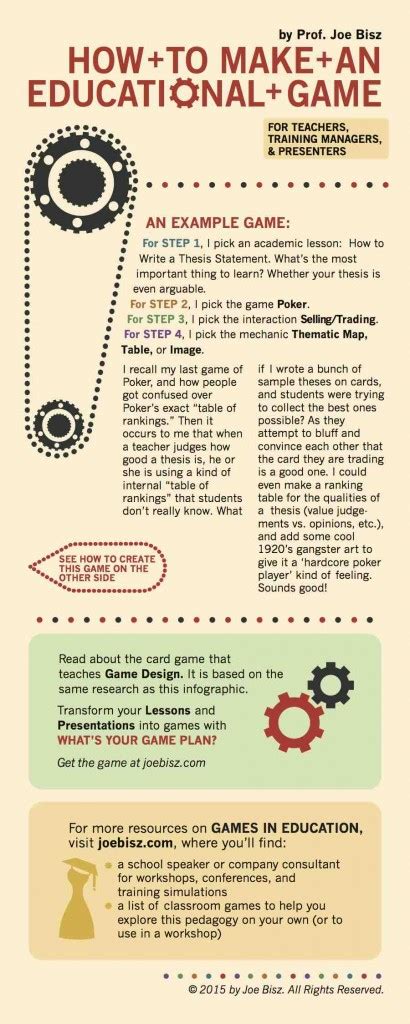
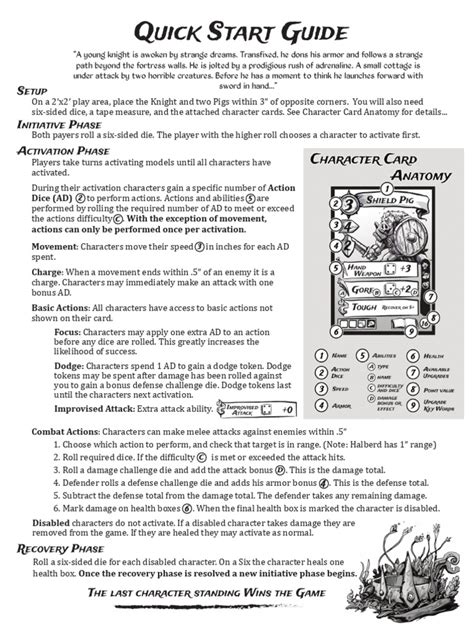
The human brain often understands new concepts best when they can be related to something already familiar. Use real-world analogies to bridge the gap between abstract game rules and practical understanding. For instance, explaining a ‘crafting system’ as ‘cooking a recipe’ can make it immediately more relatable. Visual aids are equally powerful. In-game highlights, animated diagrams, or short video tutorials can demonstrate a mechanic in action far more effectively than a wall of text. Clear iconography and user interface elements that visually represent their function also play a vital role.

Contextual Learning Through Interactive Tutorials
Learning by doing is often superior to passive reading. Interactive tutorials that guide players through the actual use of a mechanic in a controlled environment are invaluable. Present information precisely when it’s needed, tying the explanation directly to an action the player must perform. For example, rather than explaining ‘parrying’ in a menu, introduce a specific enemy encounter that requires the player to parry and provides real-time prompts and feedback. This makes the learning immediately relevant and reinforces its importance.

Chunk Information and Offer Repeat Opportunities
Even with incremental introductions, some mechanics are inherently dense. Break down complex systems into smaller, more digestible chunks. Instead of explaining an entire skill tree at once, explain how to unlock the first skill, then the next. Furthermore, provide optional ways for players to revisit explanations. This could be an in-game encyclopedia, a searchable codex, or a dedicated practice mode. Not all players learn at the same pace, and having resources to review at their leisure is incredibly helpful.

Immediate Feedback and Reinforcement
When a player attempts a new mechanic, immediate and clear feedback is crucial. Did they succeed? Did they fail? Why? Clear visual and auditory cues that confirm success (e.g., a ‘Perfect Parry!’ notification) or indicate failure (e.g., a ‘Blocked!’ message with a brief explanation) help players understand the consequences of their actions. This reinforcement loop helps solidify their understanding and encourages experimentation without the fear of permanent failure in the early stages.

Conclusion
Explaining complex game mechanics in simple terms is a nuanced challenge, but by embracing strategies like incremental learning, leveraging analogies and visuals, providing interactive and contextual tutorials, chunking information, and offering immediate feedback, developers can create a welcoming and engaging experience for all new players. The goal is to empower players to discover the depth of a game at their own pace, fostering enjoyment and long-term engagement rather than frustration.