What’s the best way for game guides to teach new players core mechanics quickly?
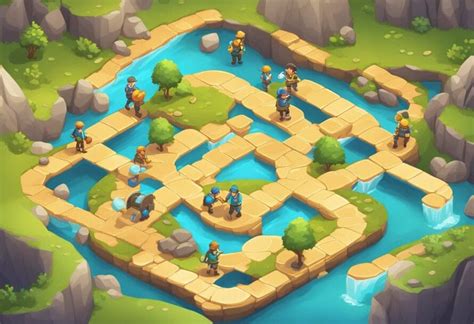
Introducing new players to a game’s core mechanics can be a delicate balance. Too much information too soon, and they’ll feel overwhelmed. Too little, and they’ll be lost. The goal is rapid comprehension and retention, ensuring a smooth, enjoyable entry into the game world.
Prioritize Hands-On, Interactive Learning
The most effective way for players to learn is by doing. Game guides should integrate mechanics into interactive tutorials rather than relying on lengthy text explanations. Instead of describing how to jump, have the player jump. Instead of explaining a combat combo, guide them through executing it on a dummy target.
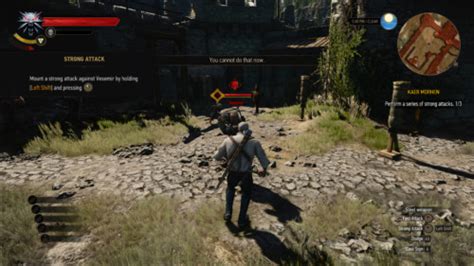
This approach transforms passive reading into active engagement, solidifying understanding through muscle memory and immediate experience. Keep tutorial segments short and focused on one or two mechanics at a time.
Implement Progressive Revelation and Scaffolding
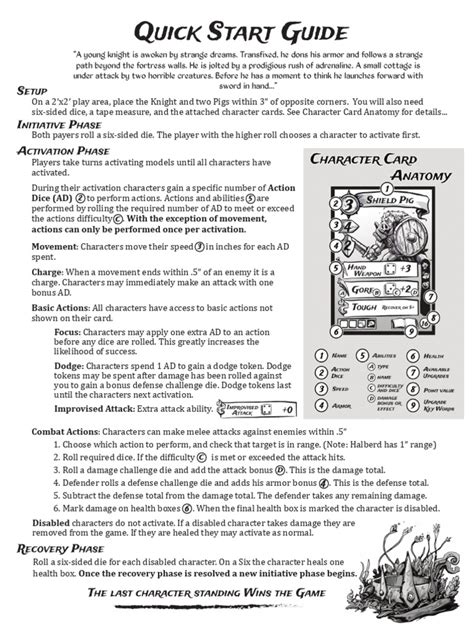
Don’t dump all mechanics on players at once. Introduce them gradually, building complexity over time. Start with the absolute essentials – movement, basic interaction – and then layer on more advanced systems. This ‘scaffolding’ approach ensures players master foundational skills before moving to more intricate gameplay loops.

- Isolate Mechanics: Introduce each new mechanic in a controlled environment.
- Contextual Learning: Teach mechanics within the game’s narrative or immediate challenges.
- Reinforce: Provide opportunities to use newly learned mechanics shortly after introduction.
Leverage Visual Aids and Concise Language
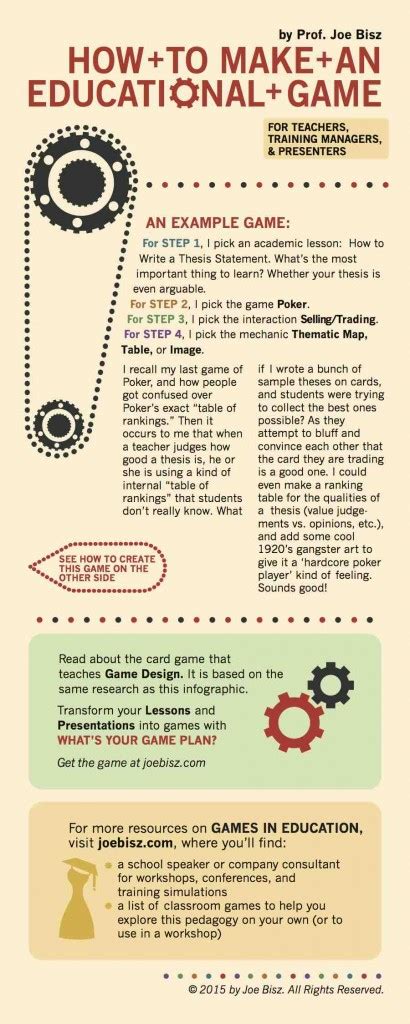
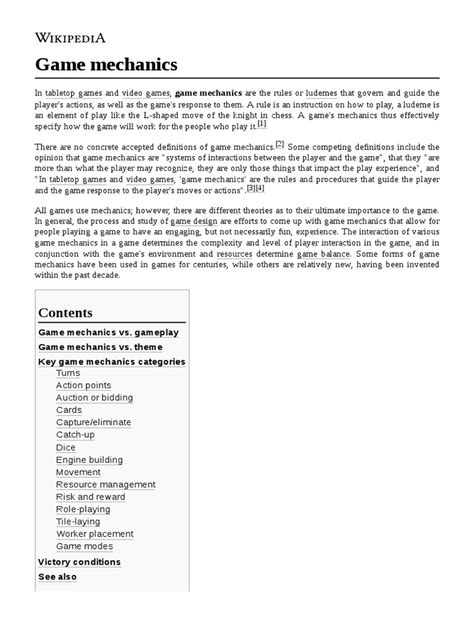
A picture is worth a thousand words, especially in game guides. Use clear, simple iconography, animated demonstrations, and short video clips to illustrate mechanics. Avoid jargon and keep text explanations brief and to the point. Visuals can convey complex information much faster than paragraphs of text.

Highlight key information using bold text or distinct formatting. For action-oriented mechanics, show the button prompt directly on screen at the moment of action.
Provide Immediate Feedback and Practice Opportunities
As players experiment with new mechanics, instant feedback is crucial. If they perform an action correctly, a clear visual or audio cue should affirm it. If they make a mistake, gently guide them toward the correct input or strategy. Follow up each new mechanic introduction with a low-stakes practice area or a simple challenge that requires its use.
This allows players to consolidate their learning without the pressure of failure, building confidence before they encounter more difficult sections of the game.
Offer Optional Deep Dives and External Resources
While the core guide should be lean and focused on quick learning, acknowledge that some players desire more depth. Offer optional side quests, codex entries, or links to advanced tutorials for those who wish to master every nuance. This caters to different learning styles without bogging down the main onboarding experience.
By making these resources optional, players can choose their own pace and level of detail, ensuring everyone finds value.
Conclusion
Teaching new players core mechanics quickly boils down to a few key principles: prioritize interactive, hands-on experiences, introduce concepts progressively, utilize clear visual aids, provide immediate feedback and practice, and offer optional advanced resources. By adhering to these strategies, game guides can effectively transform novices into confident players, ready to dive deep into the game’s full experience.