What’s the best tactic to unstick a stalled deal?

Every sales professional has experienced it: a promising deal, cruising along, suddenly hits a wall. Communication drops, decision-makers go quiet, and momentum vanishes. A stalled deal isn’t necessarily a dead deal, but it requires a strategic approach to revive. The ‘best’ tactic isn’t a one-size-fits-all solution; rather, it’s a combination of diagnostics and tailored actions designed to identify and remove the specific obstacle.

Re-Engage and Re-Qualify
The first step is always to understand why the deal has stalled. Avoid making assumptions. Reach out with a low-pressure, value-driven message. This isn’t about pushing for a close, but rather seeking to understand if anything has changed on their end. Has their budget shifted? Are their priorities different? Is a new stakeholder involved?
Ask Open-Ended Questions
- “I haven’t heard back in a while, and I wanted to check in. Has anything changed on your end regarding [project/goal]?”
- “Is there anything I can do to help move things forward, or answer any outstanding questions?”
- “Are there any new concerns or considerations that have come up since we last spoke?”
This re-qualification process helps you assess if the prospect is still a good fit and if their needs still align with your solution. Sometimes, a deal stalls because the underlying need has genuinely diminished or disappeared.
Uncover the True Objection
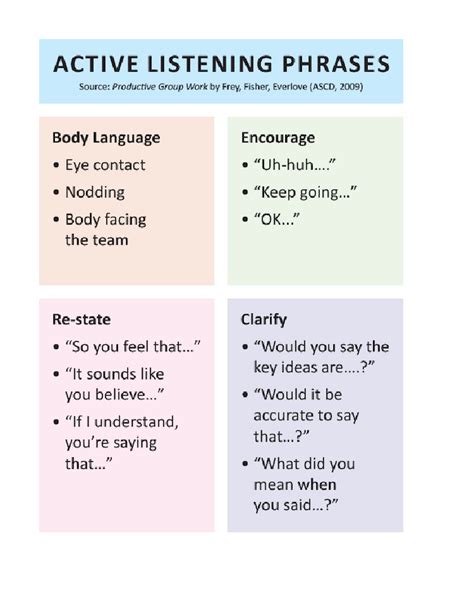
Often, a deal stalls because the prospect isn’t articulating their real concerns. They might offer vague excuses like ‘we’re busy’ or ‘we need more time.’ Your job is to gently peel back the layers to get to the core issue. This requires empathy and active listening.
Look for clues in their non-verbal communication, if possible, or in subtle shifts in their responses. Is it a budget issue disguised as a timing issue? Is it a fear of change? A lack of internal consensus? Or perhaps they’re evaluating a competitor?

Introduce a New Angle or Value
If you’ve identified the true objection, the next step is to address it directly by providing new value or reframing your solution. If it’s a budget concern, perhaps a phased implementation or a different package could work. If it’s an internal stakeholder issue, offer to provide materials or present to the broader team.
Consider offering:
- Additional insights or data relevant to their specific problem.
- A tailored demo focusing on a newly identified pain point.
- Access to a success story from a similar client.
- A limited-time incentive or value-add (carefully, so as not to devalue your offering).
Create Principled Urgency (Not Pressure)
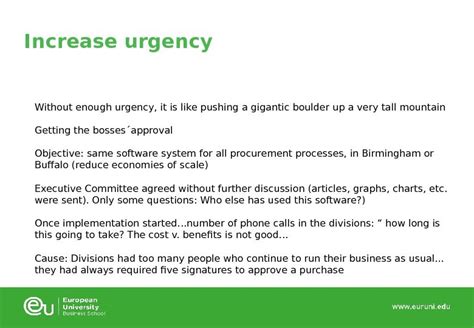
Sometimes deals stall simply due to a lack of urgency on the buyer’s side. Your goal is to help them understand the cost of inaction or the benefits of moving forward sooner, without resorting to high-pressure tactics that can alienate them. Principled urgency is about aligning with their goals and demonstrating the positive impact of a timely decision.
This could involve highlighting:
- Upcoming deadlines or market changes that impact their business.
- The quantifiable benefits they are missing out on with each passing day.
- Limited resources on your end (e.g., implementation slots, special pricing expiring).
Leverage Internal Expertise or Executive Involvement
When you’ve exhausted your individual efforts, bringing in a third party can often break the logjam. This could be a technical expert to address specific questions, a customer success manager to share implementation insights, or even an executive from your company.
Executive involvement, when used judiciously, can signal the importance of the deal to your organization and provide a fresh perspective or authority that can move the needle, especially if the deal is stalled at a high level within the client’s company.
Be Prepared to Walk Away
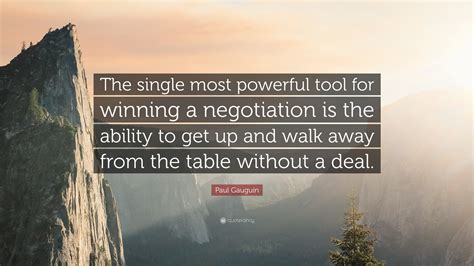
While counter-intuitive, knowing when to walk away is a powerful tactic. If a deal is perpetually stalled with no clear path forward, consuming valuable resources, it might be time to respectfully disengage. This isn’t about giving up, but about reallocating your time to more promising opportunities. Sometimes, the act of walking away can even re-ignite interest from a prospect who realizes they might lose a valuable solution.
Taking Decisive Action
Unsticking a stalled deal requires a blend of diagnostic skill, empathy, creativity, and sometimes, a willingness to make tough decisions. The best tactic is not a single move but a dynamic process of listening, adapting, and providing value. By systematically addressing the potential reasons for a stall, you significantly increase your chances of getting the deal back on track and moving towards a successful close.