What’s the best structure for game how-to guides to prevent new players from feeling overwhelmed?

The Challenge of First Impressions
For many games, the initial hours are critical. New players are often eager to dive in but can quickly become overwhelmed by complex mechanics, vast worlds, and a deluge of information. A poorly structured how-to guide can exacerbate this, turning excitement into frustration. The goal isn’t just to explain mechanics, but to guide players through a learning journey that feels intuitive, rewarding, and manageable.
Prioritize the Absolute Essentials First
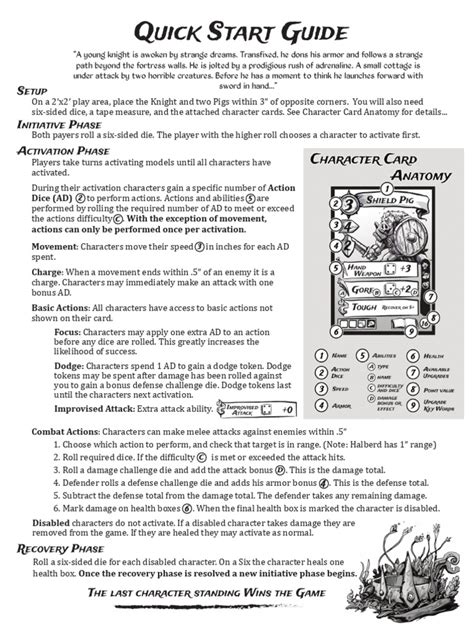
The cardinal rule for beginner guides is to start with what players absolutely need to know to perform their first basic actions. Resist the urge to explain every single detail upfront. Focus on movement, basic interaction, primary objectives, and fundamental controls. Introduce concepts only when they become relevant to the immediate gameplay experience. This ‘need-to-know’ approach ensures players can actually play the game, building confidence before tackling deeper systems.
Chunk Information Strategically
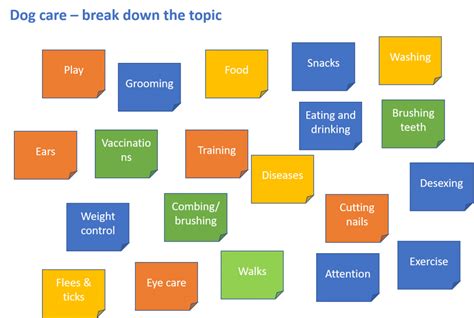
Break down even essential information into small, digestible chunks. Long paragraphs of text are daunting. Utilize headings, subheadings, bullet points, and numbered lists extensively. Each section should ideally cover one core concept or a related set of actions, allowing players to process and understand one piece of the puzzle before moving to the next.
Embrace Progressive Disclosure
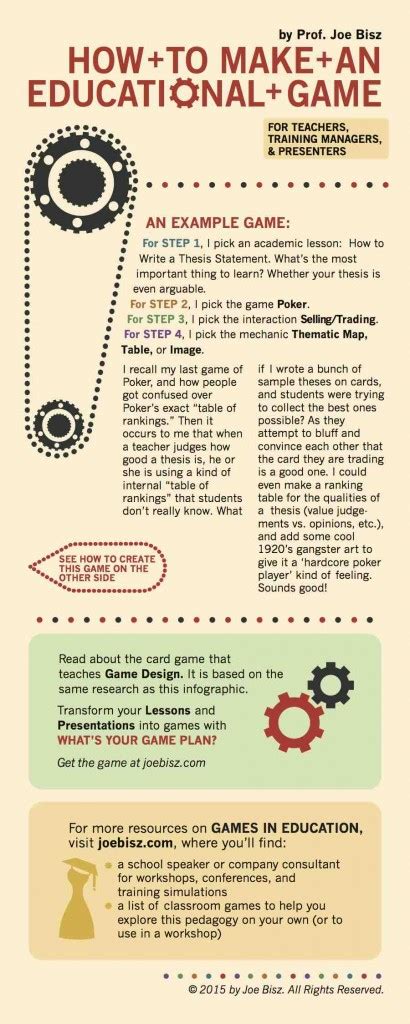
Progressive disclosure is key to preventing information overload. This principle involves revealing information gradually, only when the player needs it or has demonstrated mastery of prerequisite skills. Think of it like a tutorial that unfolds alongside gameplay, rather than a dense manual dumped on players before they even start.
Introduce Concepts Incrementally
Instead of explaining an entire skill tree or crafting system at once, introduce its core function and the very first few steps. As players advance or express interest, more complex layers can be revealed. This layered approach allows learning to be an ongoing process, matching the player’s natural progression and curiosity within the game.
Integrate Practical Application
A guide isn’t just for reading; it’s for doing. Every explanation should ideally be followed by an opportunity for practical application. Show, then tell them to try. Whether it’s a simple pop-up prompt, a designated practice area, or an early-game quest, hands-on experience solidifies understanding far better than passive reading. Relate explanations directly to in-game scenarios players will encounter.

Clarity, Visuals, and Consistent Language
Even the most perfectly structured guide will fail if its content is unclear or difficult to parse. Maintaining clarity, utilizing strong visuals, and adopting consistent terminology are crucial.
Use Clear, Concise Language
Avoid jargon wherever possible, or define it immediately upon its first use. Employ simple, direct sentences. Imagine you’re explaining the game to someone completely new to the genre, or even gaming itself. Get straight to the point and cut out any unnecessary fluff.
Leverage Visual Aids Effectively
Screenshots, diagrams, short video clips (even if just implied in a text guide), and annotated images can convey information much faster and more effectively than text alone. Show players what buttons to press, what items look like, or where to go. Visuals break up text, making the guide less intimidating and more engaging.

Empowering Practice and Self-Discovery
Beyond the initial hand-holding, a good guide fosters independence. It equips players with the tools and confidence to explore, experiment, and learn on their own.
Encourage Hands-On Practice
After explaining a mechanic, encourage players to spend some time practicing it in a low-stakes environment. This could be a safe zone, a sandbox mode, or simply by repeating an early-game task. Point out common pitfalls and offer troubleshooting tips, making learning from mistakes part of the experience.
Point Towards Further Resources
Once the basics are covered, guide players to where they can find more advanced information. This could be in-game encyclopedias, wikis, community forums, or specific sections of your guide dedicated to advanced strategies. This approach respects the player’s pace and allows them to delve deeper when they are ready, rather than forcing it upon them.

Conclusion: Guiding with Empathy
The best game how-to guides are designed with empathy for the new player experience. By prioritizing essential information, progressively disclosing complexity, using clear language and visuals, and encouraging active learning, guides can transform potential frustration into an empowering and enjoyable journey. A well-structured guide doesn’t just teach a game; it fosters a love for it.