What’s the best structure for game beginner guides to onboard new players quickly?

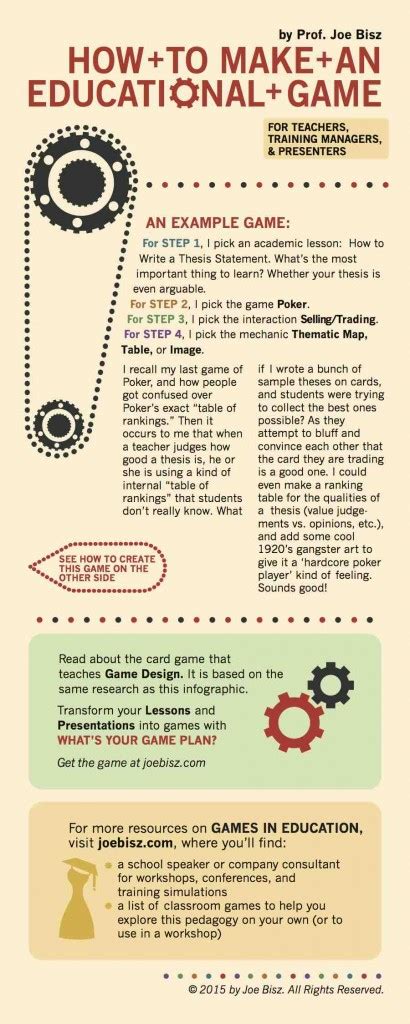
Onboarding new players quickly and effectively is paramount for any game’s success. A poorly structured beginner guide can lead to frustration, confusion, and ultimately, player churn. Conversely, a well-designed guide transforms novices into engaged participants, setting them up for long-term enjoyment. So, what’s the best structure to achieve this rapid, positive integration?
Prioritizing Immediate Action and Core Loop Introduction
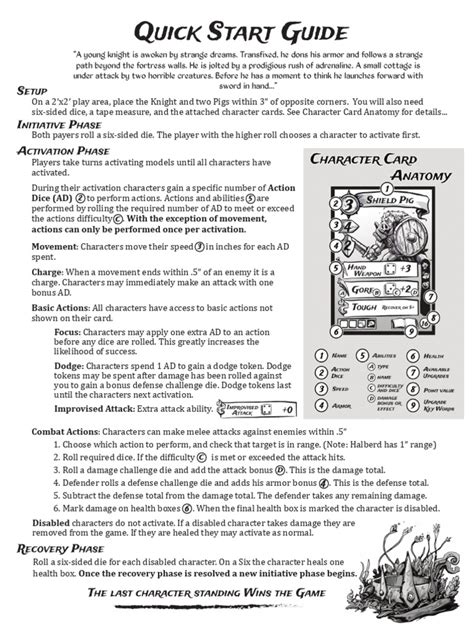
The first few minutes are critical. New players need to feel like they are *playing* the game, not just reading instructions. The optimal guide begins with immediate, hands-on interaction, focusing on the core gameplay loop. Avoid lengthy lore dumps or complex menu explanations upfront. Get them moving, shooting, building, or strategizing as quickly as possible, even if it’s within a simplified, controlled environment.
Introduce one core mechanic at a time, allowing players to practice before adding another layer of complexity. This scaffolded approach prevents information overload and builds confidence.
Progressive Disclosure and Layered Learning
A common mistake is to present all information at once. Instead, adopt a progressive disclosure model. Introduce fundamental mechanics first, then gradually layer in more advanced features, strategic depth, or customization options. Think of it as a funnel: wide at the top for universal basics, narrowing as players delve into specific systems. Each new concept should build upon previously learned skills, creating a natural learning progression.
Clear Objectives and Immediate Feedback
Players need to understand what they are supposed to do at any given moment and receive clear feedback on their actions. Use simple, actionable objectives (e.g., “Walk to the marker,” “Collect 3 items,” “Defeat one enemy”). Visual cues, on-screen prompts, and celebratory messages for success are vital. This positive reinforcement encourages continued engagement and reinforces the learning.

Leveraging Visuals and Interactive Elements
Show, don’t just tell. Visual aids are incredibly powerful in game guides. Highlight relevant UI elements, use animated examples, and provide clear arrows or indicators. Interactive tutorials, where players perform actions rather than just watch or read, are far more effective. These hands-on experiences embed mechanics into muscle memory and foster a deeper understanding.
Consider context-sensitive tooltips or pop-ups that appear only when a player encounters a new element, offering bite-sized explanations without overwhelming them upfront.

Celebrating Quick Wins and Building Momentum
Psychologically, achieving small successes early on is a huge motivator. Structure your guide to deliver frequent “quick wins.” These could be completing a simple task, defeating a weak enemy, or unlocking a minor upgrade. Each success provides a sense of accomplishment and encourages players to continue exploring. This builds momentum and reduces the likelihood of early abandonment.
The goal is to move players from “I don’t know how to play” to “I get the basics, and I’m having fun” in the shortest possible time, empowering them to explore the game’s depth at their own pace.

Iterative Design and Testing
No beginner guide is perfect on the first try. The best structure emerges through iterative design and extensive playtesting. Observe new players as they go through the guide. Where do they get stuck? What questions do they ask? Are there points of frustration? Use this feedback to refine the flow, clarify instructions, and optimize the pacing. A truly effective guide is a living document, constantly improved based on real player experiences.

Conclusion
The ideal game beginner guide isn’t just a set of instructions; it’s a carefully crafted experience designed to smoothly transition a novice into an engaged player. By prioritizing immediate action, employing progressive disclosure, providing clear objectives and feedback, leveraging strong visuals and interactivity, and celebrating quick wins, developers can create an onboarding experience that not only teaches but also excites, ensuring new players stick around to enjoy the full depth of their game.