What’s the best qualifying question to avoid deal waste?

The Silent Killer: The Cost of Wasted Sales Efforts
In the fast-paced world of sales, resources are precious. Every hour spent on a prospect, every demo given, every proposal drafted, represents an investment. Unfortunately, a significant portion of these efforts often goes to waste, poured into deals that are never truly qualified, leading to extended sales cycles, low win rates, and frustrated teams. This phenomenon, known as “deal waste,” is a silent killer of productivity and profit margins.
Poor qualification is the primary culprit. Without a clear understanding of a prospect’s true needs, urgency, budget, and decision-making process, sales professionals often chase opportunities that are either not real, not ready, or simply a bad fit. The quest, then, is to arm sales teams with the tools—and specifically, the questions—that can swiftly differentiate a promising lead from a time sink.

The Ultimate Qualifying Question: Uncovering True Pain and Urgency
While no single question is a magic bullet for every scenario, a powerful qualifying question effectively uncovers the critical elements of Need, Urgency, and Impact. It moves beyond superficial interest to reveal the core business problem and its consequences.
“If you don’t solve [the problem we address] within the next [X timeframe, e.g., 3-6 months], what are the tangible business consequences or missed opportunities you foresee?”
This question is designed to immediately dive deep into several crucial qualification areas:
- Tangible Business Consequences (Impact): It forces the prospect to articulate the real financial, operational, or strategic pain points. Is it lost revenue, increased costs, competitive disadvantage, compliance issues, or hindered growth? Understanding this impact is paramount to building a value proposition.
- Urgency and Timeline: By asking about a specific timeframe, it gauges how critical and immediate the problem is. A prospect who struggles to name consequences or dismisses the timeframe often lacks the urgency required to make a purchase decision soon.
Beyond the Core: Following Up for a Complete Picture
While the primary question is potent, effective qualification is a conversation. Follow-up questions are essential to build a complete picture:
- “Who else internally is impacted by this problem, and how?” (Uncovers stakeholders and decision-makers.)
- “What efforts have you made to address this previously, and what were the outcomes?” (Reveals their commitment and past solutions.)
- “What resources (budget, time, personnel) are you prepared to allocate to solve this?” (Directly addresses budget and commitment.)
These supplementary questions, anchored by the initial impact-driven query, help fill in the critical gaps related to Budget, Authority, Need, and Timeline (BANT), or even deeper frameworks like MEDDPICC (Metrics, Economic Buyer, Decision Criteria, Decision Process, Identify Pain, Champion, Competition).
The Art of Active Listening and Adapting
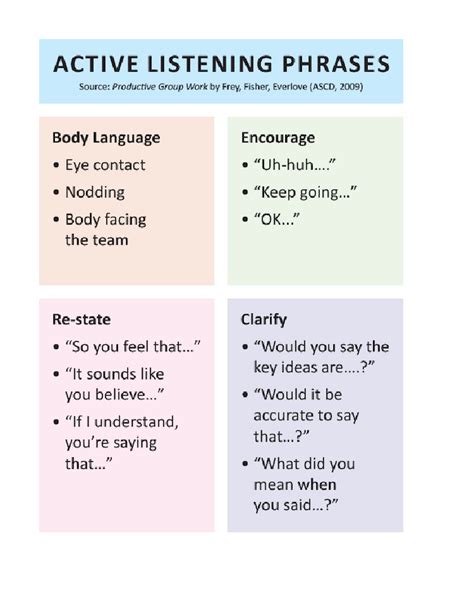
A qualifying question is only as good as the active listening that accompanies it. Sales professionals must listen intently to the prospect’s response, not just for the words, but for the underlying sentiment, priorities, and unstated concerns. The exact wording of the question may need slight adaptation based on the industry, the prospect’s role, and the specific problem being discussed.
For instance, if selling HR software, the problem might be “inefficient onboarding,” and the consequences could be “high employee turnover” or “increased compliance risks.” Tailoring the ‘problem’ part of the question makes it more relevant and impactful.

The Benefits of Sharper Qualification
By implementing a strong qualifying question strategy, sales organizations can expect a cascade of benefits:
- Reduced Sales Cycle: Faster identification of true opportunities and quicker disengagement from unqualified ones.
- Increased Win Rates: Focus on prospects who genuinely need and can benefit from the solution, leading to more closed deals.
- Improved Forecast Accuracy: A clearer pipeline with fewer “phantom” deals.
- Higher Sales Rep Morale: Less time spent on dead ends and more time closing meaningful deals.
- Better Resource Allocation: Marketing and sales resources are directed towards genuinely interested and qualified prospects.

Conclusion: Investing in Smarter Sales Conversations
Avoiding deal waste isn’t just about efficiency; it’s about building a sustainable, high-performing sales engine. While the quest for ‘the single best’ qualifying question is ongoing, focusing on questions that uncover tangible business impact and urgency provides a powerful foundation. By equipping sales teams with these tools and fostering a culture of rigorous qualification, businesses can transform their sales process from a game of chance into a strategic pursuit of truly valuable opportunities, ultimately driving greater revenue and profitability.