What’s the #1 tip for creating game guides that truly help new players quickly grasp basics?

Prioritize and Simplify: Focus on the Core Loop First
Creating a game guide that genuinely helps new players can feel like a daunting task. There’s so much to explain, so many mechanics, systems, and nuances. However, the #1 tip for success isn’t about covering everything; it’s about doing the exact opposite. The most effective guides ruthlessly prioritize and simplify, focusing exclusively on the game’s core loop and essential mechanics.
New players are often overwhelmed. They’re trying to absorb new controls, understand unfamiliar objectives, and navigate a fresh environment all at once. Bombarding them with every detail, every advanced strategy, or every optional system from the outset is a surefire way to make them feel lost, frustrated, and ultimately, disengage.

The Overwhelming Onslaught: Why Simplicity Wins
Imagine learning to drive. You wouldn’t start by studying advanced racing techniques or how to overhaul an engine. You’d learn how to turn the car on, put it in gear, accelerate, brake, and steer. Game guides should follow the same principle. New players need to know the absolute minimum required to play the game, not master it.
This approach builds a foundational understanding. Once a player can successfully execute the core actions and understand the basic flow, they gain confidence. This confidence then empowers them to explore more complex systems at their own pace, rather than feeling like they’ve failed before they’ve even truly begun.
Implementing the “Core Loop First” Principle
1. Identify the Absolute Essentials
Before you write a single word, ask yourself: What are the 3-5 things a player absolutely MUST know to complete the very first objective or survive the first few minutes? This includes basic movement, interaction, core combat (if applicable), and primary objective understanding. Strip away anything that isn’t immediately necessary.
2. Break Down Information into Bite-Sized Chunks
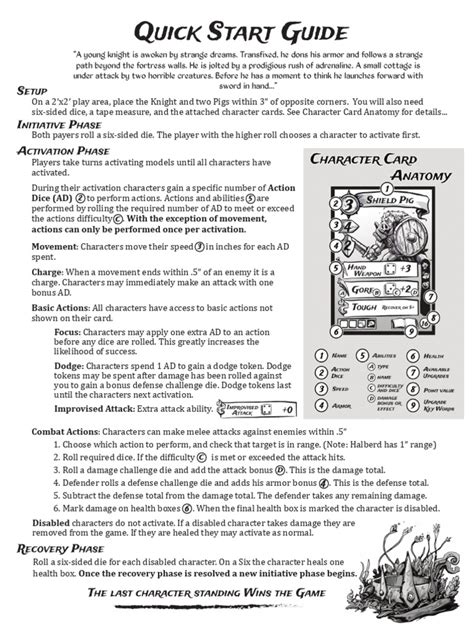
Once you’ve identified the essentials, present them in the smallest, most digestible pieces possible. Each concept should ideally be explained in 1-2 sentences, followed by a clear example or instruction. Avoid dense paragraphs.
Use headings, bullet points, and numbered lists extensively. This visual structure makes the information less intimidating and easier to scan, allowing players to quickly find what they’re looking for without sifting through walls of text.
3. Leverage Visuals and Practical Examples
Show, don’t just tell. Screenshots, short GIFs, or even simple diagrams are incredibly effective for conveying information quickly. When explaining a control, show the button. When explaining a UI element, show it highlighted. Provide practical scenarios: “To pick up an item, press ‘E’ when standing near it, like this:” followed by an image or video.

Common Pitfalls to Avoid
- Jargon Overload: Avoid game-specific slang or advanced terminology without first defining it in simple terms. Assume zero prior knowledge.
- Front-loading Advanced Tactics: Resist the urge to explain optimal builds, meta strategies, or hidden secrets. Those are for advanced guides.
- Assuming Prior Knowledge: Never assume a player understands a common gaming trope or mechanic from another game. Explain everything from scratch.

The Lasting Impact of a Great Beginner Guide
By focusing your game guide on the core loop and simplifying information, you’re not just creating a document; you’re building a bridge of understanding. A player who quickly grasps the basics feels competent, engaged, and is far more likely to stick with your game. This foundational success empowers them to explore deeper, discover more, and ultimately, become a long-term player.
So, when you sit down to write your next game guide, remember: less is often more. Prioritize the essentials, simplify your language, and guide new players step-by-step through the core experience. Their gratitude, and their continued playtime, will be your reward.