What’s the #1 tip for creating beginner guides for complex games?

Complex video games, with their deep mechanics, sprawling worlds, and intricate systems, often present a formidable barrier to entry for newcomers. Creating a guide that genuinely helps a beginner without overwhelming them is a delicate art. While many tips contribute to a good guide, one stands above the rest as the absolute cornerstone of success.
The Core Principle: Progressive Disclosure
The single most crucial tip for creating beginner guides for complex games is this: Embrace Progressive Disclosure. This means introducing concepts and mechanics incrementally, building knowledge layer by layer, rather than dumping all information at once. Imagine teaching someone to drive; you wouldn’t start with parallel parking and engine repair on day one. You’d begin with steering, braking, and accelerating, then gradually introduce more complex maneuvers and rules.

For a complex game, this translates to focusing on the absolute essentials first. What does a player need to know to take their very first steps, complete their first objective, or win their first basic encounter? Provide just enough information to achieve that, then expand.
Break Down Complexity into Digestible Modules
Following progressive disclosure, your guide should be structured into clear, digestible modules. Each module should tackle a single core concept or a small group of related concepts. For instance, in a grand strategy game, one module might cover basic movement and camera controls, another could explain resource gathering, a third might delve into military unit types, and so on. Avoid cross-referencing too heavily between modules initially; let each stand on its own as a foundational piece.

Define clear learning objectives for each section. What should the reader be able to do after reading this part? This approach helps manage cognitive load and allows beginners to feel a sense of accomplishment as they master each small piece before moving to the next.
Utilize Visuals and Practical Examples Extensively
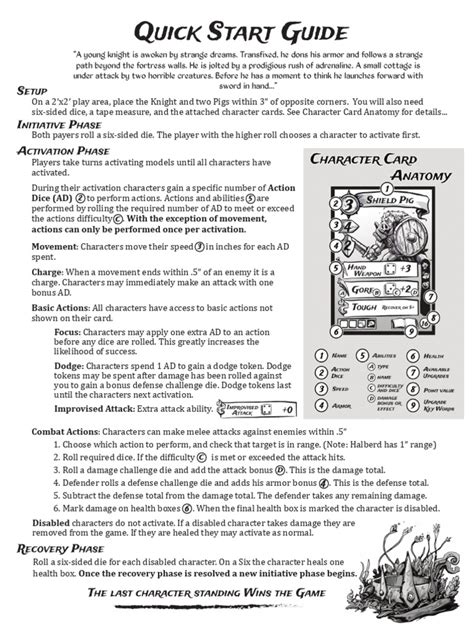
Text alone often isn’t enough, especially for visual learners or when explaining spatial relationships and user interfaces. Integrate screenshots, diagrams, and even short video clips (if the guide format allows) to illustrate your points. Show, don’t just tell. When explaining a combat rotation, for instance, don’t just list the abilities; show a screenshot of the abilities on a hotbar and an example of how they’re used in sequence against an enemy.

Practical, step-by-step examples are also invaluable. Instead of explaining the theory of crafting, walk the player through crafting their first basic item: “Go to X location, click Y button, combine A and B to make C.” Concrete scenarios make abstract mechanics tangible.
Focus on the ‘Why,’ Not Just the ‘How’
Beginners often get lost not just because they don’t know how to perform an action, but because they don’t understand why it’s important or when to use it. Explain the purpose and context of mechanics. Why should they upgrade this particular building? What benefit does mastering this specific combat move provide? Understanding the strategic implications empowers players to make informed decisions rather than just mindlessly following instructions.
Test Your Guide with Actual Beginners
Finally, no matter how well-structured or thoughtful your guide is, it’s incomplete until it’s been tested by its target audience: true beginners. Recruit someone who has never played the game (or similar games) before and have them follow your guide. Observe where they get stuck, what questions they ask, and what they misunderstand. Their fresh perspective is invaluable for identifying blind spots and areas where your guide, despite your best intentions, still assumes too much prior knowledge.

By consistently applying progressive disclosure, breaking down content, using strong visuals, explaining context, and rigorously testing, you can transform the daunting task of learning a complex game into an engaging and achievable journey for any newcomer. This core principle will make your guides not just informative, but truly effective.