What’s the #1 actionable tip for crafting game beginner guides that prevent new player frustration?

The Silent Killer: Why New Players Quit
You’ve poured your heart and soul into a game, yet when new players dive in, many quickly drop off. Often, the culprit isn’t the game itself, but the initial experience—specifically, the beginner guide. New player frustration stems from feeling overwhelmed, lost, or incompetent. They’re presented with a wall of text, a confusing skill tree, or a multitude of mechanics without clear direction. The goal of a truly effective beginner guide isn’t just to inform, but to empower and retain.
The #1 Actionable Tip: Embrace “One Thing at a Time” with Immediate Action
The single most powerful actionable tip for crafting game beginner guides that actively prevent new player frustration is to embrace the “one thing at a time” principle, meticulously focusing on immediate, actionable steps that build confidence and understanding progressively. Forget the exhaustive encyclopedia approach; instead, guide players through their first few minutes or hours with surgical precision, ensuring every piece of information has a direct, immediate application.

Why This Principle Works Wonders
New players are facing a high cognitive load. They’re learning controls, game concepts, UI elements, and objectives all at once. Bombarding them with every detail upfront is like trying to teach someone to drive by showing them the entire car manual before they’ve even touched the steering wheel. The “one thing at a time” approach:
- Reduces Overwhelm: It breaks down complexity into digestible, manageable chunks.
- Builds Confidence: Successfully completing one small task provides a sense of achievement and encourages progression.
- Reinforces Learning: By immediately applying new knowledge, players solidify their understanding through direct experience.
- Maintains Engagement: Players feel a constant sense of forward momentum and purpose.
Implementing the “One Thing at a Time” Principle: A Practical Guide
Translating this philosophy into a tangible guide requires deliberate planning. Here’s how to do it:
1. Identify the Absolute Essentials (The “Must-Know-Now”)
Before writing a single word, list the absolute minimum a player needs to understand to complete their very first objective in the game. This might include:
- Basic movement (e.g., WASD)
- How to interact with the environment (e.g., ‘E’ to open door)
- The primary combat input (e.g., left-click to attack)
- How to access and understand the first quest objective
Resist the urge to explain lore, advanced crafting, or late-game mechanics. These come much later.

2. Structure for Immediate Action & Feedback Loops
Each section or paragraph of your guide should lead directly to a specific action the player can take right now, followed by an immediate, understandable outcome. Think of it as a mini-tutorial within the guide:
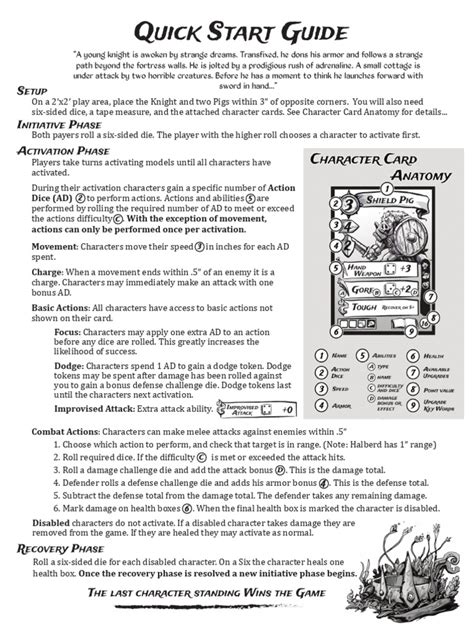
“First, press ‘W’ to move forward. Try walking to that glowing object. Great! Now, press ‘E’ to interact with it and pick up your first weapon. You’ll see the weapon appear in your inventory.”
Notice the clear instruction, the immediate action, and the feedback (“Great!”, “You’ll see…”).

3. Defer & Contextualize Advanced Information
When you inevitably touch upon a more complex system, briefly acknowledge its existence but defer its full explanation. Provide just enough context for the current step.
“This sword has a ‘durability’ stat, which affects how long it can be used before breaking. Don’t worry about repairing it yet; you’ll learn about that later when you visit the blacksmith. For now, let’s focus on using it to defeat your first enemy!”
This tells them there’s more to learn without forcing them to learn it now.

4. Utilize Visual Cues and Clear Language
Always assume your player is scanning, not reading meticulously. Use:
- Bold text for key actions and terms.
- Short paragraphs and bullet points.
- Screenshots or diagrams (even if just text references in a guide) that highlight the exact UI elements or locations being discussed.
- Simple, direct language. Avoid jargon where possible, or explain it immediately if essential.
5. Guide to Early Wins and Positive Reinforcement
Design your guide to lead players to their first few successes quickly. Whether it’s equipping an item, completing a micro-quest, or defeating a tutorial enemy, these small victories build momentum and confidence. Acknowledge these wins implicitly by moving them to the next logical step, or explicitly if it fits the tone.

Conclusion: The Path to Player Retention
Crafting game beginner guides that prevent new player frustration isn’t about dumping information; it’s about carefully curating the initial learning path. By embracing the “one thing at a time” principle and focusing on immediate, actionable steps, you transform a potentially overwhelming experience into a series of rewarding, confidence-building micro-lessons. This approach not only prevents frustration but fosters engagement, ensuring more new players stick around to discover the depth and enjoyment your game truly offers.