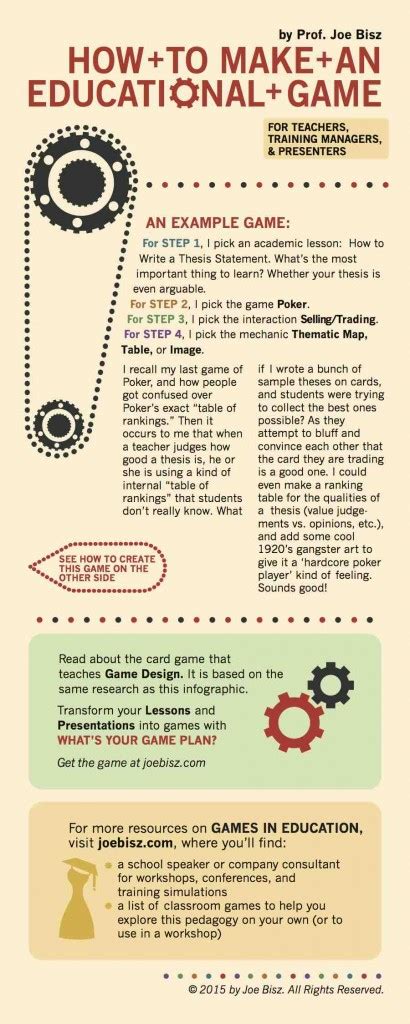
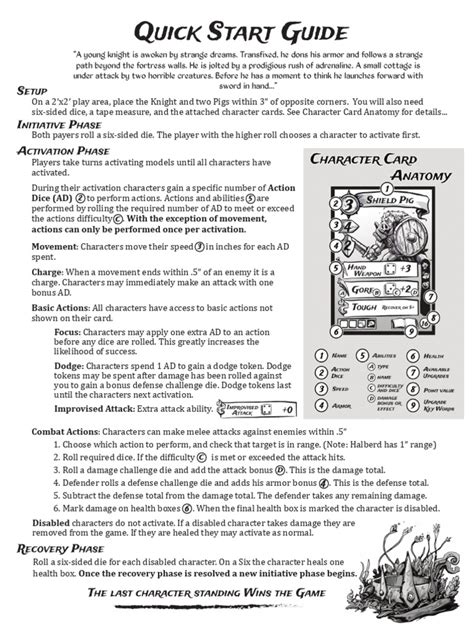
What’s key to creating game beginner guides that onboard new players effectively?
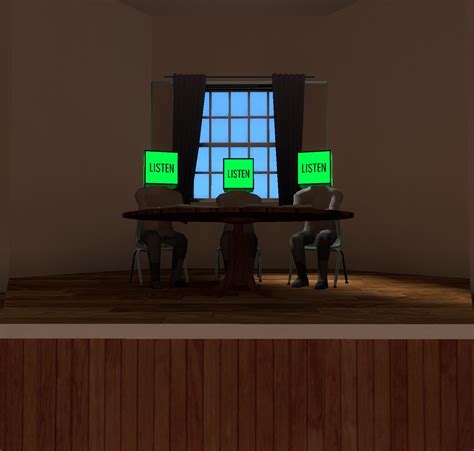
For any game, a new player’s first impression is everything. A poorly constructed beginner guide can quickly lead to frustration and abandonment, while a well-crafted one can transform a curious newcomer into a dedicated fan. The goal isn’t just to teach controls; it’s to immerse them, excite them, and equip them with the confidence to explore.

Understanding Your Audience and Their Needs
The first step in creating an effective beginner guide is to deeply understand who your new players are. Are they seasoned gamers new to your genre, or complete novices to gaming itself? Tailor your language, pace, and the complexity of information accordingly. Beginners often come with a mixture of curiosity, excitement, and trepidation. They need reassurance, clear objectives, and a sense of progression without feeling overwhelmed. Focus on answering their most immediate questions: “What do I do?” “How do I do it?” and “Why am I doing it?”
Clarity, Conciseness, and Visual Cues are Paramount
New players have a limited attention span and can easily get lost in dense text or complex mechanics. Your guide must prioritize clarity and conciseness above all else. Use simple, direct language and avoid jargon where possible. Break down complex actions into small, digestible steps. Visual aids—like highlighted UI elements, animated examples, and context-sensitive pop-ups—are far more effective than walls of text. Show, don’t just tell. Intuitive visual design reduces cognitive load and allows players to grasp concepts quickly.

The Power of Progressive Revelation
Dumping all information at once is a surefire way to overwhelm new players. Instead, embrace the concept of progressive revelation. Introduce core mechanics incrementally, only when they become relevant. Start with the absolute basics (movement, primary interaction), then gradually layer on more complex systems (inventory, advanced combat, crafting) as the player demonstrates proficiency with earlier concepts. This approach creates a natural learning curve, making the game feel manageable and rewarding as they master each new skill.
Interactive Learning Over Passive Reading
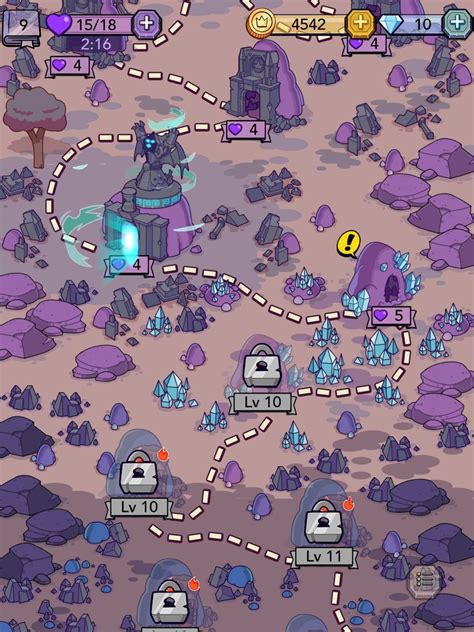
Players learn best by doing. Static text boxes and unskippable cutscenes explaining mechanics are often ignored or quickly forgotten. Integrate your guide directly into the gameplay. Design interactive tutorials that require players to perform actions rather than just read about them. Give them specific tasks to complete, with immediate feedback and positive reinforcement for success. This hands-on approach builds muscle memory and a deeper understanding of the game’s systems, making the learning process engaging and effective.
Celebrate Small Wins and Provide Context
Beginner guides should not just teach mechanics, but also instill a sense of accomplishment and purpose. Celebrate small victories, even if it’s just successfully moving an item or defeating a basic enemy. Use encouraging language and visual cues to make players feel competent and rewarded. Crucially, provide context: explain why a mechanic is important or how it contributes to the larger game experience. Understanding the ‘why’ motivates players to invest time in learning and mastering skills, tying their actions to the game’s overall narrative or strategic depth.
Iterate and Gather Feedback
No beginner guide is perfect on its first draft. Treat your guide as an evolving part of your game. Conduct playtests with actual new players who have no prior knowledge of your game. Observe where they struggle, what they skip, and what questions they frequently ask. Solicit direct feedback and be prepared to iterate. The goal is to smooth out any friction points and ensure the guide flows intuitively. Continuous refinement based on real player experiences is essential for creating a truly effective onboarding process.
Ultimately, a great beginner guide is an act of empathy. It anticipates player struggles, celebrates their successes, and gently leads them into a new world with confidence and excitement. By focusing on clarity, interactivity, progressive learning, and iterative design, you can transform the daunting first hour into an inviting gateway for every new player.