What’s key to clear, actionable beginner guides for any game’s core mechanics?

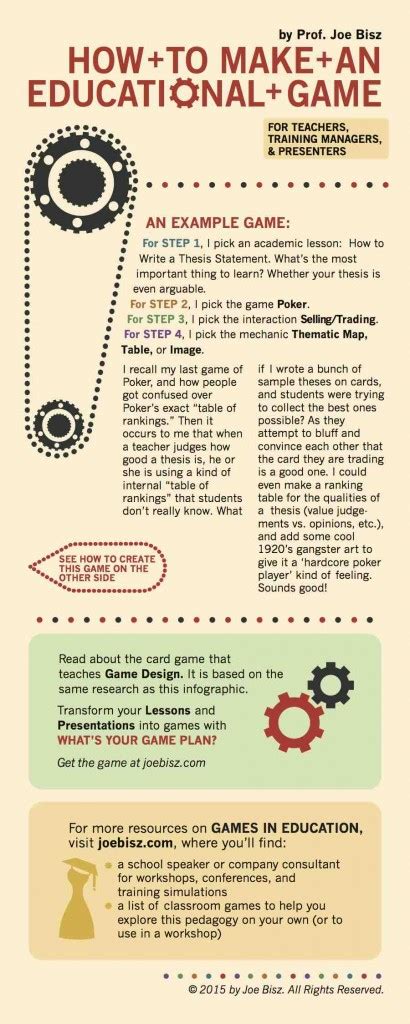
For any game, a new player’s first hours are critical. How well they grasp the core mechanics directly impacts their enjoyment and likelihood of sticking around. A truly effective beginner guide doesn’t just explain; it empowers players to understand and act upon that understanding. But what precisely makes a guide clear and actionable?
Prioritize Simplicity and Conciseness
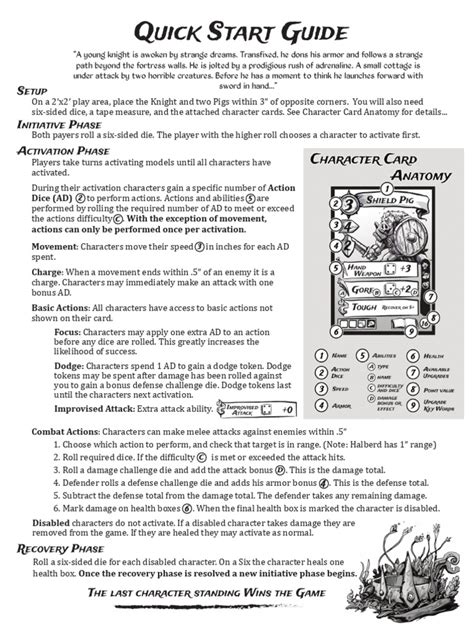
The cardinal rule is to avoid overwhelming new players. Complex mechanics should be broken down into their simplest components. Use plain language, free of internal game jargon where possible, or clearly define terms the first time they appear. Focus on the ‘what’ and ‘how’ initially, then build to the ‘why’. Long blocks of text are intimidating; short, digestible paragraphs and bullet points are your friends.

Contextualize Every Mechanic
Explaining a button press or a stat without context is like teaching someone to swim on dry land. Players need to understand why a mechanic exists and how it impacts their gameplay. Show them the immediate consequence of using a particular ability, item, or movement. Connect the new piece of information to a tangible goal or problem they’re trying to solve within the game world.
Embrace Visuals and Interactive Examples
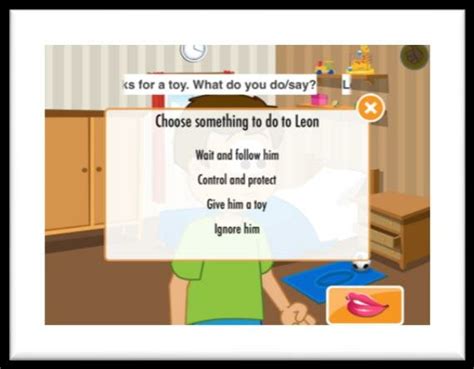
A picture is worth a thousand words, and an interactive example is worth ten thousand. Screenshots, short video clips, animated GIFs, or in-game overlays that highlight specific UI elements or actions are invaluable. Even better, design the guide to allow players to immediately practice the mechanic. Don’t just tell them to jump; give them a small obstacle course where jumping is required.
Facilitate Immediate Application
Knowledge without application quickly fades. An actionable guide ensures that as soon as a new mechanic is introduced, players have an opportunity to use it. This might be a dedicated tutorial section, a controlled environment, or even an early-game quest designed to reinforce the learned skill. The goal is to build muscle memory and confidence through successful execution.
Pacing and Gradual Progression are Crucial
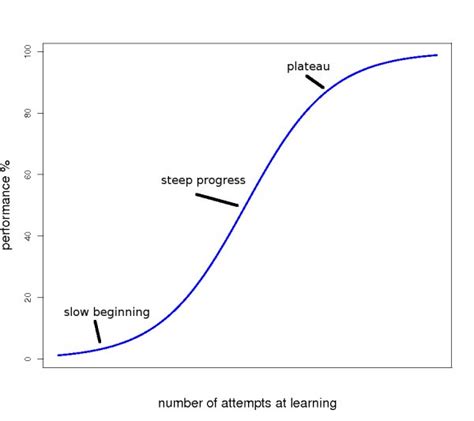
Resist the urge to dump all information at once. Introduce mechanics one by one, building complexity incrementally. Start with the absolute basics, then layer on more advanced nuances. Allow players to master one concept before moving to the next. This progressive learning curve prevents frustration and ensures a solid foundation of understanding.
Provide Clear Feedback and Reinforcement
When a player attempts a mechanic, do they know if they did it correctly? Clear feedback – whether visual, auditory, or textual – helps reinforce learning. “Great job!” messages, highlighted successful actions, or clear indicators of failure (and how to correct it) are vital. This positive reinforcement encourages experimentation and deeper engagement.

Avoid Jargon and Ambiguity
While some game genres have established terms, a beginner guide should minimize reliance on assumed knowledge. If a specific term must be used, define it clearly. Ambiguous language or vague instructions (“use your best judgment”) are counterproductive; beginners need clear, unequivocal directions to build confidence.

Conclusion: Empowering the New Player Journey
Ultimately, the key to clear, actionable beginner guides lies in empathy for the new player experience. By prioritizing simplicity, context, immediate application, and thoughtful pacing, developers and guide creators can transform potential frustration into genuine engagement. A well-crafted guide isn’t just a set of instructions; it’s an invitation to master and enjoy the game world, fostering a loyal and enthusiastic player base.