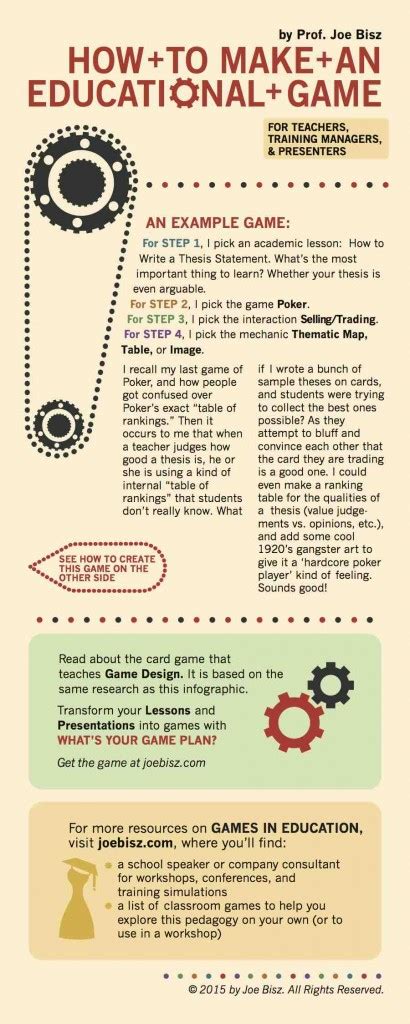
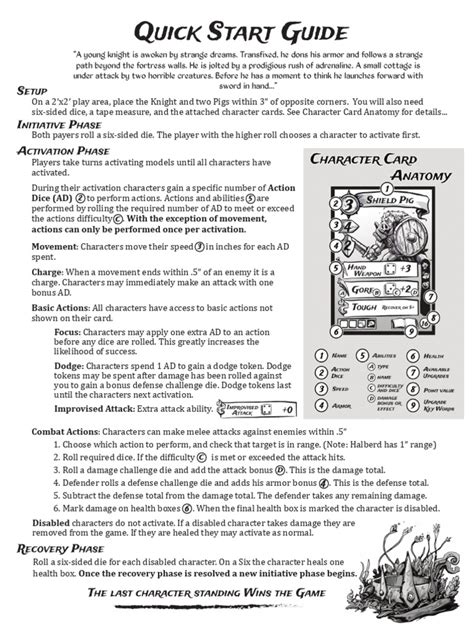
What’s key for a game beginner guide to convey core mechanics without overwhelming new players?

The Crucial Role of a Great Beginner Guide
For any new player diving into a game, especially one with intricate systems or a steep learning curve, a well-crafted beginner guide isn’t just helpful – it’s essential. It serves as the player’s first meaningful interaction with the game’s mechanics, setting the tone for their entire experience. The challenge lies in translating complex systems into digestible information without overwhelming the very people it’s designed to help.
A poorly structured guide can lead to frustration, confusion, and ultimately, player attrition. On the other hand, an excellent guide empowers new players, building confidence and fostering a deeper appreciation for the game’s design. So, what are the core principles to ensure your guide hits the mark?

Prioritize and Segment: The “Need-to-Know” First
The biggest pitfall for most beginner guides is trying to explain everything at once. New players don’t need to know every nuance of advanced combat combos or end-game economy immediately. They need to understand the absolute fundamentals to move, interact, and achieve basic objectives. Start by identifying the 3-5 most critical mechanics necessary for initial engagement. These might include:
- Basic movement and camera controls.
- How to perform the primary action (attack, build, cast spell).
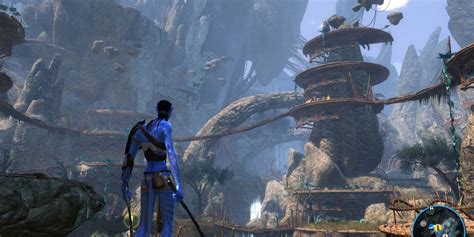
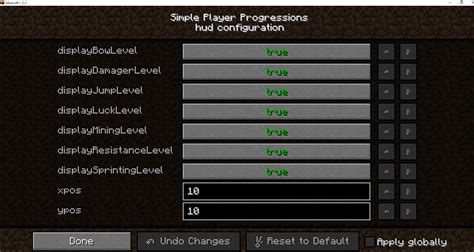
- Understanding the main UI elements (health bar, mini-map, objective markers).
- The core objective of the opening sequence or first level.
Introduce these mechanics one at a time, allowing the player to practice and internalize each before moving on. Think of it as building blocks – you can’t build a house without laying a solid foundation.
Contextual Learning and Practical Application
Abstract explanations are often less effective than concrete examples. Instead of just describing what a ‘cooldown’ is, show how it affects a player’s ability use in a live scenario. Integrate explanations directly into moments where the mechanic is relevant. For instance, when the player encounters their first enemy, that’s the ideal time to explain basic attack and defense, not 10 minutes prior in a wall of text.
Encourage immediate practical application. If you explain how to jump, follow it immediately with an obstacle that requires jumping. This active learning approach reinforces the information and makes it stick better than passive reading or watching.

Use Clear, Concise Language and Visual Aids
Avoid jargon where possible, or if necessary, explain it clearly the first time it’s introduced. Use simple, direct language. Break down complex sentences into shorter, more manageable ones. Bullet points and numbered lists can be incredibly effective for digestible information.
Visual aids are invaluable. Screenshots, short GIFs, or even simple diagrams can convey information far more efficiently than text alone. Highlight key UI elements, show exact button presses, or illustrate movement paths. A picture is truly worth a thousand words when explaining game mechanics.
Gradual Progression and Layered Complexity
Once the core mechanics are understood, subsequent guides or in-game tutorials can gradually introduce more advanced concepts. This layering prevents a sudden information dump. Think of it as a funnel: start broad with fundamental concepts and slowly narrow down to specifics and advanced strategies as the player progresses and demonstrates readiness.
For example, in an RPG, a beginner guide might cover movement, basic attack, and using a healing potion. A subsequent guide could then delve into character stats, skill trees, and different damage types, once the player has mastered the basics of survival and exploration.
Empathy and Encouragement
Finally, put yourself in the shoes of a completely new player. What questions would they have? What might confuse them? Acknowledge that learning a new game takes time and effort. Offer words of encouragement and reassurance. A positive and supportive tone can significantly impact a new player’s willingness to persevere through initial challenges.
Remember, the goal isn’t just to teach, but to inspire engagement. A great beginner guide is a welcoming hand, not a demanding textbook, gently leading new players into the exciting world you’ve created.