What’s essential for a ‘First 5 Minutes’ game guide to hook absolute beginners?

The Critical First Impression: Why the First 5 Minutes Matter
For absolute beginners diving into a new video game, the initial five minutes are make-or-break. This brief window determines whether they’ll be intrigued, confused, or entirely turned off. A ‘First 5 Minutes’ guide, therefore, isn’t just about showing controls; it’s about crafting an immediate, positive, and understandable experience that hooks them into continuing their journey. So, what absolutely essential elements must such a guide contain to capture and retain the attention of a novice player?

Immediate Clarity on the Core Loop
Beginners need to grasp the fundamental ‘what you do’ and ‘why you do it’ almost instantly. A great guide cuts through jargon and complex lore, presenting the game’s core objective and primary interaction in the simplest terms. Is it explore, fight, build, or solve puzzles? Show them the basic action, its immediate result, and how it contributes to a tiny, achievable goal. This early understanding prevents frustration and builds a foundation for more complex mechanics.
Simplified Controls and UI Introduction
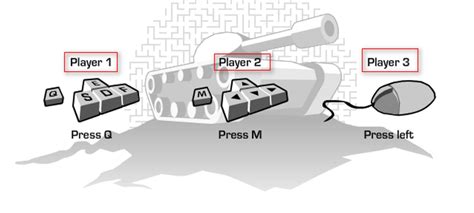
Information overload is the enemy of the beginner. Instead of dumping a full control scheme, introduce only the absolutely necessary inputs for the first few actions. Use clear visual cues (e.g., on-screen prompts for specific buttons) rather than dense text blocks. Similarly, highlight only the most critical UI elements as they become relevant. For example, if health is the only vital stat at the start, point only to the health bar, not the entire HUD.
Early Wins and Positive Reinforcement
Nothing hooks a new player like success. Design the first five minutes to guarantee a small, satisfying accomplishment. This could be successfully moving their character, picking up a key item, completing a simple quest, or defeating a very weak enemy. Provide immediate positive feedback, whether through visual effects, sound cues, or a clear “Mission Complete!” message. These early wins build confidence and a sense of progress, encouraging them to see what else they can achieve.
Minimal Text, Maximum Visuals, and Interactive Elements
Reading lengthy tutorials is tedious, especially for someone eager to play. A compelling ‘First 5 Minutes’ guide relies heavily on visual demonstrations. Show, don’t just tell. Use short, crisp, context-sensitive text prompts, large arrows, highlighted areas, or even short video clips if the guide is external. Even better, make it interactive: prompt the player to perform an action rather than just explaining it, reinforcing muscle memory from the outset.

Setting Expectations and “What Next?”
While focusing on the immediate, a good guide also subtly hints at the adventure to come. This isn’t about revealing spoilers but about creating intrigue. Briefly suggest the scope of the world, the types of challenges ahead, or the rewards for continued play. End the ‘First 5 Minutes’ segment with a clear, next logical step or a compelling reason to continue, transitioning smoothly from guided learning to self-directed exploration.

Conclusion: Building a Bridge to Enjoyment
Ultimately, a ‘First 5 Minutes’ game guide for absolute beginners isn’t just a tutorial; it’s a carefully constructed welcome mat. By prioritizing clarity, simplifying initial interactions, ensuring early successes, leveraging strong visuals, and building anticipation, guides can transform potential frustration into immediate engagement. A well-designed opening ensures that new players don’t just understand the game, but more importantly, enjoy it enough to keep playing.