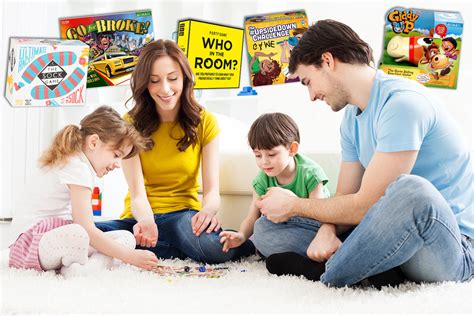
What truly cooperative cozy family games work for mixed ages without conflict?

The Quest for Harmonious Family Game Night
Picture this: Laughter echoes, shared excitement fills the air, and everyone, from the youngest child to the oldest adult, is working together towards a common goal. This isn’t just a dream for family game night; it’s entirely achievable with the right truly cooperative games. While many games boast a cooperative element, finding those that genuinely minimize conflict across a wide age range requires a thoughtful approach. We’re looking for games that foster teamwork, creative problem-solving, and most importantly, fun without the usual squabbles.

Why Cooperative Games Are Perfect for Mixed Ages
Competitive games often create an uneven playing field. Younger children might struggle to keep up, leading to frustration, while older players might dominate, leading to boredom or resentment. Cooperative games, by their very nature, sidestep these issues. Everyone is on the same team, battling the game itself rather than each other. This shared objective naturally encourages communication, empathy, and strategic discussion, allowing all players to contribute according to their abilities. It’s a wonderful way to teach valuable life skills in a low-stakes, enjoyable environment.
Beyond Cooperation: Fostering Truly Conflict-Free Play
Even in cooperative games, a common pitfall is the dreaded “alpha gamer” – one player who dictates all the moves, effectively turning a collaborative experience into a one-person show. To avoid this, truly conflict-free games often feature:
- Hidden Information: Each player has unique knowledge, making it impossible for one person to know everything and allowing everyone to contribute vital insights.
- Simultaneous Actions: Players make decisions at the same time, reducing analysis paralysis and overthinking by one dominant player.
- Scalable Difficulty: Rules that are easy to grasp for beginners but offer depth for experienced players.
- Engaging Themes: Stories and settings that capture the imagination of diverse ages, making the collaborative journey more compelling.

Top Picks for Your Cozy, Conflict-Free Game Shelf
1. The Forbidden Series (Forbidden Island / Forbidden Desert)
These games are perfect entry points for cooperative play. Players work together as a team of adventurers to collect treasures (Island) or piece together a flying machine (Desert) before the environment overwhelms them. The rules are simple, the turns are quick, and the pressure is just enough to create exciting moments of shared victory or defeat. Both are excellent for ages 8 and up, with younger children easily joining in with a little guidance.
2. Mysterium
A beautiful and atmospheric game where one player acts as a ghost, communicating clues through abstract art cards to help psychic investigators solve a murder mystery. The ghost cannot speak, which inherently prevents alpha-gaming and encourages creative interpretation and discussion among the “psychics.” It’s a unique and visually stunning experience, great for ages 10+ (or even slightly younger with adult help).
3. Hanabi
This deceptively simple card game is a masterclass in cooperative communication. Players hold their cards facing outwards, meaning they can see everyone else’s hand but their own. Through limited clues given to each other, they must collaboratively play a perfect sequence of fireworks. It completely eliminates alpha-gaming because no one has all the information, forcing true teamwork and careful deduction. Best for ages 8+.

4. Outfoxed! / Race for the Treasure
For families with younger children (ages 5-8), Peaceable Kingdom produces a fantastic line of truly cooperative games. Outfoxed! is a charming deduction game where players work together to figure out which fox stole the pie before it escapes. Race for the Treasure has players collecting keys to reach a treasure before the Ogre does. These games are specifically designed to teach cooperation, turn-taking, and problem-solving without any competitive stress.
5. Pandemic (with mindful play)
While slightly more complex than the Forbidden series, Pandemic remains a classic cooperative game for good reason. Players are disease control specialists working together to eradicate four deadly diseases before they wipe out humanity. It’s a thrilling, strategic challenge for ages 10+. To avoid alpha-gaming, encourage players to voice their ideas, perhaps even assigning specific roles each turn (e.g., “This turn, the Medic leads the discussion”) to ensure everyone feels empowered to contribute.

Tips for a Seamless, Conflict-Free Game Night
- Emphasize the “We”: Frame the game as “us against the game” from the very beginning. Celebrate shared victories and learn from collective defeats.
- Assign Rotating Roles: For games where one person might dominate, implement a “lead player” role that rotates each round or turn. This person facilitates discussion but doesn’t make all the decisions.
- Encourage “Why?”: Instead of just telling someone what to do, ask them why they think a certain move is good or bad. This empowers critical thinking in all players.
- Focus on the Experience: Remind everyone that the goal isn’t just to win, but to have fun working together. Laughter and bonding are the true prizes.
- Take Breaks: Especially with younger players or longer games, short breaks can help refresh minds and prevent frustration.

Embrace the Joy of Shared Success
Finding truly cooperative cozy family games that cater to mixed ages without conflict is a game-changer for family bonding. These experiences create lasting memories of teamwork, shared challenges, and collective triumphs. By choosing games that inherently encourage collaboration and by fostering an inclusive gaming atmosphere, you can transform your family game nights into cherished traditions filled with harmony and fun for everyone.