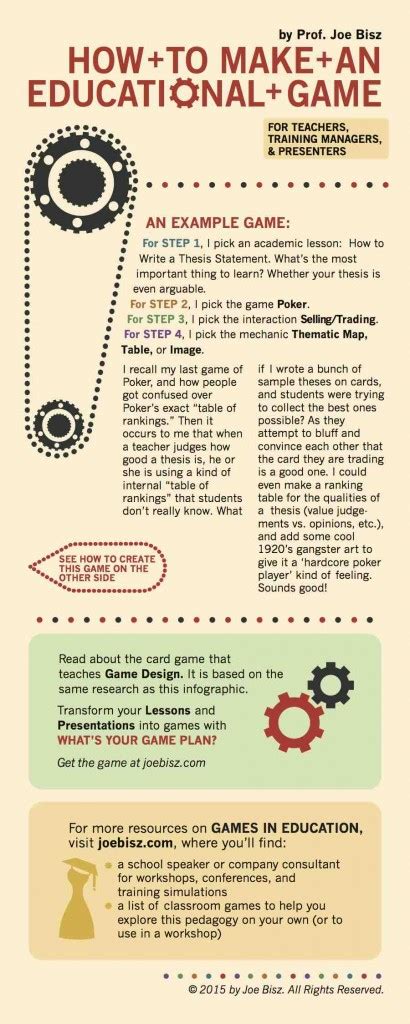
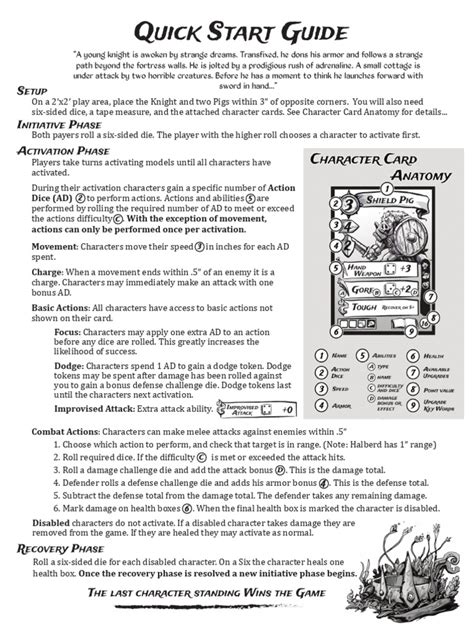
What structure best helps new players quickly grasp game core mechanics?
For any game to succeed, especially in today’s competitive market, its ability to quickly and effectively onboard new players is paramount. If core mechanics aren’t grasped swiftly, players can feel overwhelmed, frustrated, and ultimately abandon the game before experiencing its full potential. The challenge lies in structuring the initial experience to be engaging, informative, and intuitive, transforming novices into confident participants without resorting to lengthy, dull explanations.
Understanding the Core Challenge
The fundamental difficulty in teaching game mechanics stems from the fact that many complex interactions cannot be fully understood by mere explanation; they require hands-on experience. Players need to internalize how actions translate into in-game consequences, how different systems interact, and what strategic depth emerges from those interactions. A good onboarding structure bridges this gap between concept and execution, making learning an integral, enjoyable part of the initial gameplay.

Interactive, Hands-On Tutorials
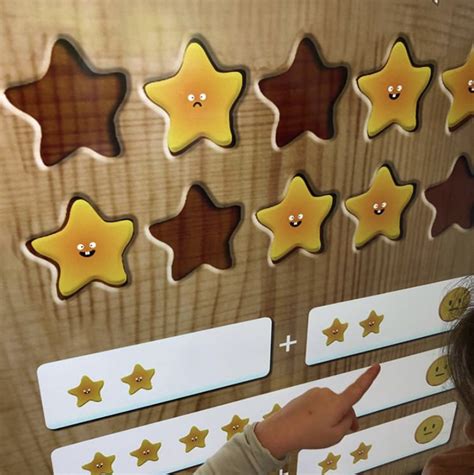
One of the most effective structures involves highly interactive, guided tutorials. Rather than presenting a wall of text or a series of static images, an interactive tutorial places the player directly into a controlled environment where they are prompted to perform specific actions. Each action demonstrates a core mechanic, immediately showcasing its effect. This “learn by doing” approach ensures that muscle memory begins to form early, and players develop a practical understanding rather than just theoretical knowledge.
These tutorials should be segmented, introducing one or two mechanics at a time, allowing players to master them before moving on. Clear visual cues, such as highlighted UI elements or directional arrows, guide the player, preventing confusion and minimizing friction. The goal is to make the learning process feel like a natural progression of gameplay, not a separate, mandatory chore.
Contextual Learning and Progressive Difficulty
Beyond explicit tutorials, integrating learning into the initial game levels through contextual discovery is highly effective. This means designing the first few encounters or challenges to naturally require the use of core mechanics. For example, a game might introduce a basic enemy type that can only be defeated using the primary attack, then a slightly more complex enemy requiring a special ability, and so on. This progressive difficulty curve allows players to gradually build their skill set in a real-game scenario.
By carefully crafting the environment and initial obstacles, developers can create scenarios where players organically discover the utility and necessity of different mechanics. This approach fosters a sense of accomplishment and and agency, as players feel they are solving problems and mastering the game on their own terms, even if subtly guided.
Clear Feedback and Visual Cues
Rapid feedback is crucial for reinforcing learned mechanics and correcting misunderstandings. When a player performs an action, the game should immediately provide clear visual and auditory feedback indicating whether it was successful, partially successful, or a failure. This could include damage numbers, status effects, sound cues, animation changes, or UI updates. Ambiguous feedback can lead to player frustration and prevent them from understanding the causal links between their actions and game outcomes.
Furthermore, intuitive visual design of the user interface (UI) and user experience (UX) is paramount. Icons should be recognizable, menus easy to navigate, and crucial information prominently displayed. Tutorials might temporarily highlight relevant UI elements, drawing the player’s attention to the specific tools they need to interact with.

Designing for Retention: Optional vs. Mandatory
While some core mechanics require mandatory introduction, advanced or secondary systems can often be presented through optional tutorials or training grounds. Providing a sandbox mode or a dedicated help section allows players to revisit explanations or practice specific skills at their own pace, once they’ve grasped the fundamentals. This caters to different learning styles and respects player agency, avoiding the feeling of being “talked down to.”
The best structure often blends these approaches: a short, mandatory interactive introduction to the absolute basics, followed by contextual learning integrated into the early game, and finally, optional resources for deeper dives or skill refinement. This ensures everyone gets the necessary foundation while allowing motivated players to explore at their leisure.

Conclusion: The Blended Approach
Ultimately, the structure that best helps new players quickly grasp game core mechanics is not a single, monolithic solution but a carefully blended approach. It combines interactive, hands-on tutorials for initial comprehension, integrates contextual learning within early gameplay to foster organic discovery, provides immediate and clear feedback for reinforcement, and offers optional resources for deeper mastery. By prioritizing clarity, interactivity, and a gentle learning curve, developers can craft an onboarding experience that not only teaches mechanics efficiently but also hooks players, ensuring a positive first impression and long-term engagement.