What red flags signal predatory F2P gacha mechanics to avoid overspending?

Understanding the Lure of Free-to-Play Gacha
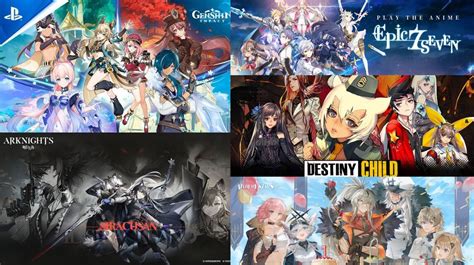
Free-to-Play (F2P) gacha games have become a dominant force in the mobile gaming landscape, offering seemingly endless entertainment without an upfront cost. However, their monetization strategies often revolve around gacha mechanics – a lottery-like system where players spend premium currency for a chance to acquire desirable characters, items, or power-ups. While not all gacha is inherently predatory, some designs are specifically crafted to exploit psychological vulnerabilities, leading players down a path of overspending. Recognizing these red flags is the first step towards a healthier gaming experience and protecting your finances.
Low Drop Rates and the Illusion of Progress
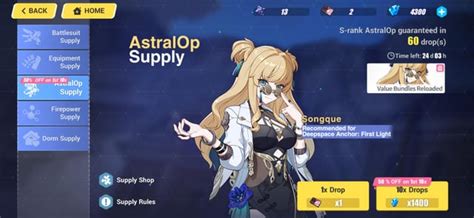
One of the most common red flags is exceedingly low drop rates for the most coveted items. Developers often highlight the rarest items with flashy animations and powerful stats, while the actual chance of acquiring them is minuscule (e.g., 0.5% or less). This creates an illusion of exclusivity and value, driving players to keep pulling, hoping for that elusive ‘jackpot’.
Coupled with low drop rates, games may employ complex ‘pity’ or ‘spark’ systems. While these systems guarantee an item after a certain number of pulls, the threshold is often set incredibly high, requiring hundreds or even thousands of dollars in spending to reach. This can feel like a safety net, but it often serves as a higher ceiling for spending, ensuring that committed players will eventually hit that costly milestone.
Time-Limited Offers and FOMO (Fear of Missing Out)
Predatory gacha games heavily leverage time-limited banners, events, and sales. These offers create a sense of urgency, pressuring players to spend now or miss out on a unique character or a ‘great deal’ that may never return. This ‘Fear of Missing Out’ (FOMO) is a powerful psychological trigger, compelling players to make impulsive purchases they might otherwise avoid.
Similarly, battle passes or subscription services, while not strictly gacha, can contribute to overspending. They often offer a trickle of rewards for consistent play, but the best rewards are locked behind a paid tier, enticing players to spend money to ‘optimize’ their progress and avoid feeling left behind.

Confusing Currency Systems and Indirect Spending
Another major red flag is the obfuscation of real-world money. Instead of direct dollar purchases, games introduce multiple layers of virtual currencies (e.g., gems, crystals, gold, premium tokens). Players buy a large bundle of ‘gems’ with real money, then use those gems to buy ‘pulls’ or other items. This disconnects the act of spending from its real-world cost, making it harder to track how much money is truly being spent.
Bundles and ‘value packs’ are often designed to appear like great deals, but they typically encourage spending more than intended. The ‘best value’ might be the most expensive pack, pushing players to spend a larger lump sum under the guise of efficiency.
Aggressive Monetization of Core Gameplay
Some games integrate monetization directly into core gameplay loops, making the game frustrating or excessively slow without spending. Examples include:
- Energy systems: Limiting how much you can play without waiting or spending to refill.
- Pay-to-win elements: Strong characters or gear are gated behind gacha, making competitive play nearly impossible for F2P players.
- Grind walls: Exaggerated progression curves that require an immense time commitment or significant spending to overcome.
- Power creep: Regularly releasing new, stronger characters that quickly make older ones obsolete, compelling players to constantly chase the new meta.
Social Pressure and Sunk Cost Fallacy
Gacha games can foster strong communities, but this can also be weaponized. Leaderboards, guild systems, and competitive events can create social pressure to keep up with peers or stay relevant. Seeing others acquire rare units can trigger competitive urges and drive spending.
The ‘sunk cost fallacy’ is also a powerful factor. Players who have already invested significant time and/or money into a game feel compelled to continue spending to justify their past investment, fearing that stopping now would mean all their previous efforts were ‘wasted’.
Protecting Yourself: Strategies to Avoid Overspending
To navigate the gacha landscape safely, consider these strategies:
- Set Strict Budgets: Decide on a monthly spending limit and stick to it religiously. Use gift cards or a separate payment method to control spending.
- Treat Gacha as Entertainment, Not Investment: Understand that the value of digital items is fleeting and not an investment.
- Research Before You Play: Check reviews and community discussions about a game’s monetization practices.
- Beware of FOMO: Recognize when you’re being pressured by time limits and ask yourself if you truly need the item or if it’s just the fear of missing out.
- Track Your Spending: Regularly review your bank statements or in-game purchase history to stay aware of your expenditures.
- Take Breaks: If you feel compelled to spend, step away from the game for a day or two. This can help break the cycle of impulsive purchasing.
By recognizing these red flags and implementing self-control strategies, you can enjoy F2P gacha games without falling prey to their predatory mechanics and protect your financial well-being.