What practical steps ensure beginner game guides don’t overwhelm new players with mechanics?

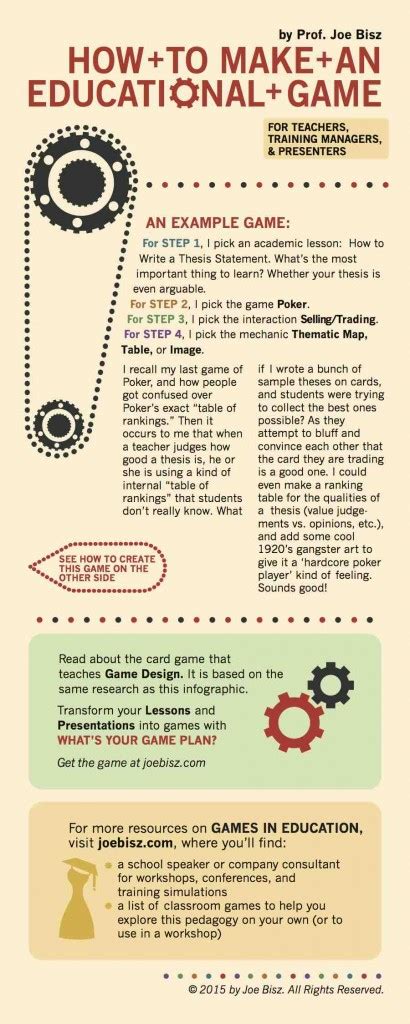
Introducing new players to a game’s intricate mechanics can be a delicate balance. A well-intentioned guide can quickly become a dense textbook if not structured thoughtfully, leaving newcomers more confused than enlightened. The goal is to onboard players smoothly, empowering them with foundational knowledge without drowning them in details they don’t yet need. Here are practical steps to ensure your beginner game guides are helpful, not overwhelming.
Adopt a ‘Crawl, Walk, Run’ Approach
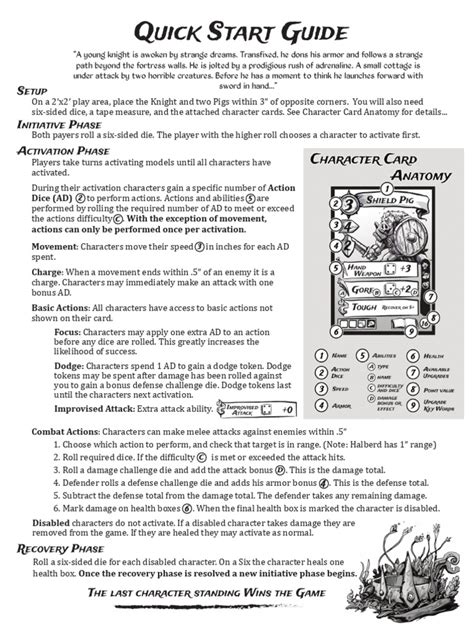
One of the most effective strategies is to introduce mechanics in a phased manner, much like how a baby learns to move. Start with the absolute essentials: movement, basic interaction, and the primary objective. Only once these core concepts are understood and practiced should you gradually introduce more complex layers like advanced combat techniques, resource management, or intricate skill trees. This progressive disclosure prevents information overload and builds confidence.
Prioritize Core Concepts Over Edge Cases
When writing for beginners, distinguish between essential mechanics required to play the game and advanced techniques or edge cases that can be learned later. Focus the guide on what players *must* know to progress in the first few hours. Skip highly situational abilities, min-maxing strategies, or complex lore nuances for later, more advanced guides. A beginner’s guide should be a gateway, not an encyclopedia.
Integrate Contextual Learning
Explain mechanics in the context of their immediate use. Instead of listing all combat abilities upfront, explain a basic attack when the player first encounters an enemy. Introduce inventory management when they pick up their first item. This ‘learn-by-doing’ approach makes the information more relevant and memorable, as players can immediately apply what they’ve learned to a practical situation.

Utilize Visual Aids and Simple Language
A picture is worth a thousand words, especially when explaining visual concepts. Use screenshots, diagrams, and short video clips (if the format allows) to illustrate button prompts, UI elements, or spatial relationships. Complement these visuals with clear, concise language, avoiding jargon whenever possible. If game-specific terminology is unavoidable, define it simply the first time it’s used. Break down long paragraphs into bullet points or short, digestible sentences.
Encourage Hands-on Practice and Reinforcement
A guide should not just inform; it should also encourage practical application. Design your guide to have natural ‘pause points’ where players can switch back to the game to try out a newly explained mechanic. Include simple exercises or scenarios. Furthermore, weave in subtle reminders of previously taught mechanics, especially when introducing new, related concepts. This reinforcement helps solidify understanding and builds muscle memory.
Conclusion
Crafting a beginner-friendly game guide is about empathy and clarity. By breaking down complex systems, providing context, using clear communication, and encouraging practical application, you can transform the daunting task of learning a new game into an exciting and accessible adventure for every new player. Focus on building a strong foundation, and players will naturally seek out more advanced knowledge as their confidence grows.