What practical first steps should game beginner guides always include?
For many players, the initial moments in a new game can make or break their experience. A well-crafted beginner guide isn’t just about dumping information; it’s about providing a clear, supportive pathway into a complex world. Practical first steps are paramount, ensuring new players grasp fundamental concepts and feel empowered to explore further. This guide outlines the essential elements every game beginner guide should prioritize to foster a welcoming and engaging entry point.
Mastering the Fundamentals: Controls and User Interface
The very first hurdle for any new player is simply learning how to interact with the game world. A beginner guide must immediately address basic controls: movement, camera manipulation, and primary interaction keys (e.g., “use,” “attack,” “jump”). Clear visual aids or precise button prompts for the relevant platform are invaluable. Beyond direct control, navigating the user interface (UI) is crucial. Explain how to open the inventory, access the map, view character stats, or interact with basic menus. Highlighting essential HUD elements and their purpose prevents early confusion.
Defining Initial Objectives and Progression
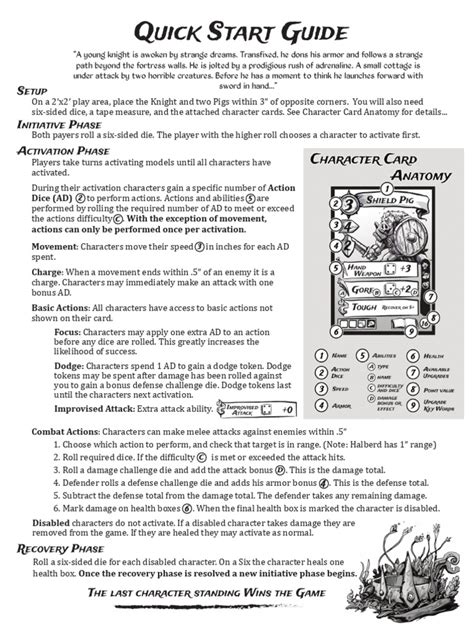
Once controls are somewhat familiar, players need a sense of purpose. Beginner guides should clearly articulate the immediate goals. Is it to complete a tutorial quest, find a specific item, or reach a certain location? Providing a simplified overview of the game’s core loop—whether it’s “defeat enemies to level up,” “gather resources to craft,” or “solve puzzles to advance”—gives players a foundational understanding of progression. Keep initial objectives straightforward and achievable, avoiding overwhelming them with long-term goals.
Demystifying Core Mechanics
Every game has unique mechanics that define its gameplay. A good beginner guide will introduce these core concepts early and simply. If it’s an RPG, explain basic combat (targeting, abilities, healing). For a strategy game, cover unit movement and simple resource acquisition. Survival games might focus on hunger/thirst meters and basic crafting. Break down complex systems into digestible chunks, perhaps through a “learn-by-doing” approach within the guide itself, guiding the player through their first encounter with these mechanics.
Basic Inventory and Resource Management
Many games involve picking up items, managing an inventory, and utilizing resources. New players need to know how to acquire items, understand their basic uses (e.g., health potions, simple crafting materials), and navigate their inventory. Explain simple concepts like item rarity, equipable gear, and consumable usage without diving into advanced economics. The focus should be on getting the player comfortable with the idea of collecting and utilizing assets to aid their immediate journey.

Saving Progress and Understanding Game States
Perhaps one of the most practical and often overlooked elements is teaching players how to save their game. Whether it’s an automatic system, manual save points, or a quick-save function, this information is critical for preventing frustration and lost progress. Explain the implications of saving (e.g., will it overwrite previous saves?) and how to load a game. Additionally, briefly touching upon game states, such as understanding what happens upon death or mission failure, prepares players for potential setbacks.
![Best 2.5D Games [Ultimate 2025 List] - GamingScan](/images/aHR0cHM6Ly90czEubW0uYmluZy5uZXQvdGg/aWQ9T0lQLmpmdndiM2R0UUcydTlsLTdxa0w3VFFIYUVLJnBpZD0xNS4x.webp)
Beyond the Basics: Settings, Support, and Next Steps
Finally, a comprehensive beginner guide should point players towards resources for further assistance. This includes explaining how to access and adjust key settings (audio, video, keybindings), where to find an in-game help menu or codex, and how to reach community forums or support channels if they encounter significant issues. Briefly outlining logical “next steps” after the initial guidance concludes—like suggesting specific early-game quests or areas to explore—helps transition the player from being guided to self-sufficient.

Conclusion
A successful beginner guide doesn’t just inform; it empowers. By focusing on practical, actionable first steps—from mastering controls and understanding initial objectives to managing resources and saving progress—guide creators lay a solid foundation for new players. These crucial initial teachings transform potential frustration into enjoyment, ensuring that the magic of the game isn’t lost in a sea of unknown mechanics. A well-designed first experience is the best invitation to stay and explore.