What non-competitive cozy games prevent family arguments effectively?
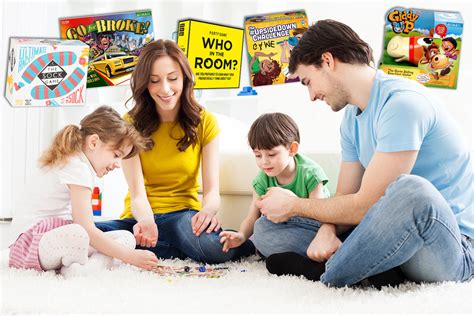
The Power of Play: Why Non-Competitive Games Matter
Family time is precious, but it can sometimes be fraught with tension, especially when competitive games are involved. The thrill of victory often comes at the cost of someone else’s defeat, leading to bruised egos, accusations, and ultimately, arguments. This is where the magic of non-competitive cozy games shines. By shifting the focus from winning to working together, these games transform potential conflict zones into spaces for collaboration, laughter, and genuine connection.
Cozy games, by their very nature, prioritize relaxation, exploration, and creative expression over high stakes or direct confrontation. When families engage in activities that encourage mutual support and shared goals, the dynamics inherently change for the better. The objective becomes a collective triumph, a shared story, or a beautifully crafted experience, rather than an individual’s victory.

Characteristics of Argument-Proof Family Games
To effectively prevent family arguments, a game should possess several key characteristics. Firstly, it must be cooperative, requiring all players to work together towards a common objective. Secondly, stakes should be low, minimizing pressure and maximizing enjoyment. Third, creativity and open-ended play are often central, allowing for individual expression without judgment. Finally, these games should promote communication and problem-solving in a supportive environment, rather than pitting family members against each other.
Top Picks: Digital Delights for Harmonious Households
The digital realm offers a wealth of cozy, non-competitive options perfect for family bonding:
- Minecraft (Creative Mode): While it has survival elements, Minecraft’s creative mode is a pure sandbox for building, exploring, and collaborating on fantastical projects. Families can construct entire worlds together, design intricate homes, or embark on shared architectural challenges without any pressure or competition.
- Stardew Valley (Multiplayer): This charming farming simulation allows up to four players to co-exist on the same farm. Family members can divide tasks like planting, mining, fishing, and tending to animals, working together to build a thriving agricultural empire. The gentle pace and shared sense of accomplishment are incredibly calming.
- Animal Crossing: New Horizons: A single island is shared by all family members on one console, fostering a collective effort in decorating, expanding, and contributing to the community. While there’s no explicit ‘win’ condition, the joy comes from mutual creativity and helping the island flourish.
- Unravel Two: This beautiful co-op puzzle platformer requires two players to control Yarnys, small creatures made of yarn, who are literally tethered together. Success hinges on precise teamwork, communication, and creative problem-solving, teaching cooperation in a charming, visually stunning world.

Tabletop Tranquility: Board Games for Peaceful Play
For those who prefer physical interaction, several board and card games excel at fostering cooperation:
- Pandemic: Players take on roles of specialists working together to stop four deadly diseases from spreading across the globe. It’s a true cooperative classic where success or failure is shared by the entire team.
- Forbidden Island / Forbidden Desert: These cooperative survival games challenge players to work together to collect artifacts and escape a sinking island or scorching desert before it’s too late. The common enemy (the game itself) naturally unites players.
- Hanabi: A unique cooperative card game where players hold their cards facing outwards, meaning they can see everyone else’s hand but their own. Success relies on clever communication and memory to help each other play cards in the correct sequence.
- Dixit: While not strictly cooperative, Dixit is a fantastic storytelling game that encourages imaginative interpretation rather than direct competition. Players create and guess descriptions for surreal art cards, leading to delightful discussions and creative bonding without the pressure of a ‘winner.’

Beyond the Screen and Table: Creative & Experiential Fun
Not all argument-preventing games need a screen or a box. Many creative and experiential activities foster incredible family unity:
- Story Cubes / Once Upon a Time: These games use prompts or cards to collaboratively build a shared story. There’s no right or wrong answer, just collective creativity and plenty of laughs.
- Collaborative Art Projects: Working together on a large mural, a shared sculpture, or even a community garden plot can be incredibly unifying. The focus is on the process and the shared creation, not individual performance.
- Escape Room Games (at home versions): Many companies offer ‘escape room in a box’ games that require teamwork and puzzle-solving for a shared victory, mimicking the fun of a physical escape room without the competitive edge between players.

Cultivating Connection: More Than Just Winning
The true value of these non-competitive cozy games extends far beyond simply avoiding arguments. They actively cultivate crucial family skills: communication, empathy, shared problem-solving, and the ability to celebrate collective achievements. When families learn to rely on each other, listen actively, and contribute to a common goal without fear of judgment or defeat, their bonds strengthen in profound ways. These shared experiences become cherished memories, fostering a positive family culture built on support and mutual respect.
Choosing the Right Game for Your Family
When selecting a cozy, non-competitive game, consider your family’s age range, interests, and current mood. Some families might prefer the calming routine of digital farming, while others thrive on the strategic puzzles of a cooperative board game or the freeform nature of creative play. The most effective game is one that resonates with everyone, ensuring that every family member feels included, valued, and genuinely enjoys the shared experience.

By intentionally choosing games that promote collaboration over competition, families can transform their leisure time into powerful opportunities for connection, understanding, and joy. Embrace the cozy, non-competitive spirit, and watch as arguments fade, replaced by laughter, teamwork, and stronger family bonds.