What key info must game beginner guides prioritize to lower the learning curve for new players?

Starting a new game can be an exhilarating experience, but it can quickly turn into frustration if players are overwhelmed by complex mechanics, unintuitive controls, or a lack of clear direction. For game developers and guide writers, the challenge lies in crafting beginner guides that effectively lower the learning curve without spoon-feeding every detail. The key is prioritization: focusing on the information new players absolutely need to get started, feel competent, and enjoy the initial hours.
Essential Controls and User Interface
The very first hurdle for any new player is understanding how to move, interact, and navigate the game world. A beginner guide must immediately clarify the fundamental controls:
- Movement and Camera: How to walk, run, jump, and look around.
- Basic Interactions: How to pick up items, open doors, or talk to NPCs.
- Key UI Elements: Explain health bars, minimaps, inventory access, and quest logs. What do these icons mean? Where is crucial information displayed?
This foundational knowledge prevents early frustration and builds confidence, allowing players to focus on the game’s actual challenges rather than fighting the interface.
The Core Game Loop and Primary Objectives
Once players can move and interact, they need to know what they’re supposed to be doing. Guides should clearly define the game’s core loop and primary objectives for the early game:
- What is the Goal? Is it to defeat a boss, build a base, solve a puzzle, or reach a certain level?
- How Do I Achieve It? Outline the most immediate, simple steps to progress.
- The “Why”: Briefly explain the context or narrative purpose, if applicable, to engage the player.
Without a clear sense of purpose, players can feel lost, even with perfect controls. This section provides a compass for their initial journey.
Initial Progression and Immediate Goals
After understanding the core loop, new players need guidance on their very first steps. This includes:
- First Quest/Mission: Direct them to the absolute first task and how to complete it.
- Basic Resource Gathering/Crafting: If applicable, show them how to get their first essential resources or craft a starter item.
- Unlocking Mechanics: Explain how new abilities, areas, or systems are typically unlocked, setting expectations for future progression.
Breaking down the initial progression into small, achievable goals prevents overwhelm and provides a satisfying sense of accomplishment from the outset.
Key Mechanics and Systems Explained Simply
Every game has unique mechanics. A beginner guide should introduce the most critical ones without delving into excessive detail or advanced strategies. Focus on:
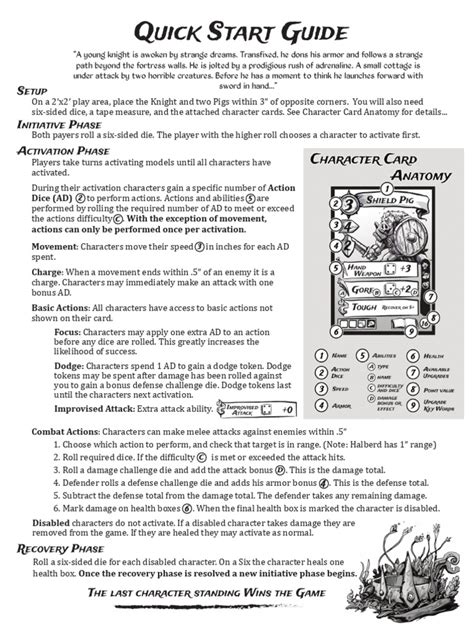
- Combat Basics: How to attack, defend, use basic abilities.
- Inventory Management: How to equip items, use consumables.
- Character Customization/Upgrades: If available, how to spend initial skill points or equip basic gear.
- Core Economy: How to earn and spend the primary currency.
The goal is to provide enough information to be functional, not to master every nuance. Advanced topics can be left for intermediate guides or discovered organically.

Common Pitfalls and Quick Tips
Forewarning players about common mistakes can save them a lot of headaches. This section should offer practical, actionable advice:
- What to Avoid: Don’t wander into high-level areas immediately, don’t sell essential starting gear.
- Quick Wins: Simple strategies that provide an early advantage, like always checking corners or saving frequently.
- Troubleshooting: Brief advice on common issues (e.g., “if stuck, check your quest log”).
Empowering players with these insights helps them navigate early challenges more smoothly and feel more in control.

Where to Find More Help and Advanced Information
Finally, a good beginner guide acknowledges its limitations and points players towards further resources. This could include:
- In-game Tutorials: Remind them about built-in guides or help menus.
- Official Forums/Wikis: Direct them to official community spaces for deeper dives.
- Community Resources: Mention popular fan sites, YouTube channels, or Discord servers.
This ensures that players know where to go once they’ve mastered the basics and are ready for more complex challenges.
Conclusion
A truly effective beginner’s guide is not an exhaustive encyclopedia but a carefully curated roadmap. By prioritizing fundamental controls, the core game loop, initial progression paths, essential mechanics, and common pitfalls, guides can significantly reduce the learning curve. This focused approach empowers new players to confidently take their first steps, fostering early success and encouraging them to delve deeper into the rich experiences a game has to offer. Ultimately, a well-crafted beginner guide transforms potential frustration into immediate engagement and lasting enjoyment.