What key info must beginner game guides include to onboard new players without overwhelm?
Onboarding new players is a critical task for any game, whether it’s a sprawling RPG or a casual mobile puzzle. The initial hours of gameplay often dictate whether a player sticks around or abandons the experience. A well-crafted beginner guide is paramount in this process, but the challenge lies in providing enough information to empower without creating a wall of text that discourages. The key is to be concise, relevant, and strategic in what you present first.
The Philosophy: Clarity Over Completeness
The biggest mistake a beginner guide can make is trying to explain everything at once. New players are in an active learning state; their short-term memory is already taxed. Your guide should act as a friendly coach, not a dense textbook. Focus on the absolute essentials that allow a player to take their first meaningful steps and feel a sense of accomplishment. Advanced strategies, deep lore, and complex meta-game mechanics can come much later.

Essential Information Checklist for Beginner Guides
Here’s a breakdown of the core information every beginner guide should prioritize to ensure a smooth, enjoyable onboarding experience:
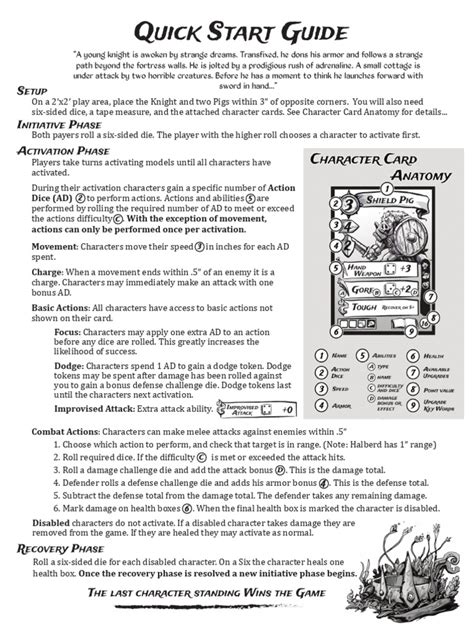
1. Basic Controls and User Interface (UI) Explanation
- Movement and Interaction: How to move their character, camera, or cursor. How to pick up items, open doors, or interact with NPCs. This is the absolute bedrock of playing any game.
- Key UI Elements: Briefly explain the most crucial parts of the HUD (Heads-Up Display). What do the health bar, mini-map, or primary action buttons signify? Avoid explaining every single icon; focus on what’s immediately relevant.

2. The Core Gameplay Loop and Immediate Goals
- What Do I Do Here?: Clearly outline the very first objectives. Is it to complete a tutorial mission, talk to a specific NPC, or collect a few resources? Give them a tangible purpose.
- The Main Loop: Explain the fundamental cycle of the game. For an RPG, it might be: accept quest → travel → fight → collect loot → return → get rewards → level up. For a puzzle game: observe → strategize → execute → solve.
3. Key Mechanics and Systems (Introductory Level)
- Primary Combat/Interaction System: If the game has combat, explain the most basic attack and defense mechanics. If it’s a crafting game, show the simplest recipe or gathering process. Avoid diving into complex skill trees or advanced weapon modifiers.
- Inventory Management (Basic): How to open their inventory, equip an item, or use a basic consumable. Don’t go into sorting, selling, or advanced crafting recipes yet.
- Saving/Loading: How and when the game saves progress, or how to manually save if applicable. Losing progress is a huge frustration for new players.
4. Early Progression and Reward Systems
- What’s Next?: Give a hint of what to look forward to. “Complete this quest to unlock your first skill!” or “Gather enough resources to build your first shelter!” This provides motivation.
- Basic Rewards: Explain what basic rewards (XP, starter currency, simple items) do and how to use them.
5. Safety Nets and Troubleshooting
- Dying/Failing: What happens if the player fails an objective or their character dies? Is there a penalty, or do they simply respawn? Reassure them that failure is part of learning.
- Getting Stuck: Briefly mention how to find help (e.g., in-game help menu, quest log, map markers).
What to Absolutely Avoid (Initially)
- Excessive Lore Dumps: While world-building is important, the beginning of a guide is not the place for paragraphs of backstory.
- Advanced Strategies: Don’t discuss optimal builds, speedrunning tactics, or late-game boss strategies.
- Jargon: Keep the language simple and avoid game-specific acronyms or terms until they’ve been properly introduced.
- Optional, Complex Systems: If there’s an elaborate fishing mini-game or a deep faction reputation system, save it for a more advanced guide.
Conclusion: Build a Foundation, Not a Skyscraper
A successful beginner game guide is like a stable foundation for a house. It doesn’t need to show every room or decorative element, but it must be solid, clear, and support the player’s first steps. By focusing on critical controls, immediate goals, and the most essential mechanics, guides can effectively onboard new players, fostering a positive initial experience that encourages them to explore further and delve deeper into the game’s complexities at their own pace.