What key info must a beginner’s game guide include to avoid new player frustration?

Entering a new game world can be an exhilarating experience, but for many new players, it quickly turns into a frustrating one. A poorly designed or incomplete beginner’s guide can be the difference between a player falling in love with a game and abandoning it within the first hour. To truly hook new players, a guide must anticipate their questions and address potential pain points before they even arise, fostering a sense of accomplishment rather than confusion.
Understanding the New Player Experience
New players often feel overwhelmed by a deluge of information, unfamiliar interfaces, and complex systems. They lack context, don’t know what’s important, and can easily get lost or make irreversible “mistakes” that sour their initial impression. A great guide acknowledges this vulnerability and acts as a patient mentor, guiding them through the first crucial steps and building a foundational understanding of the game’s world and rules.

Essential Elements for a Frustration-Free Guide
To craft an effective guide that minimizes frustration, consider these key components:
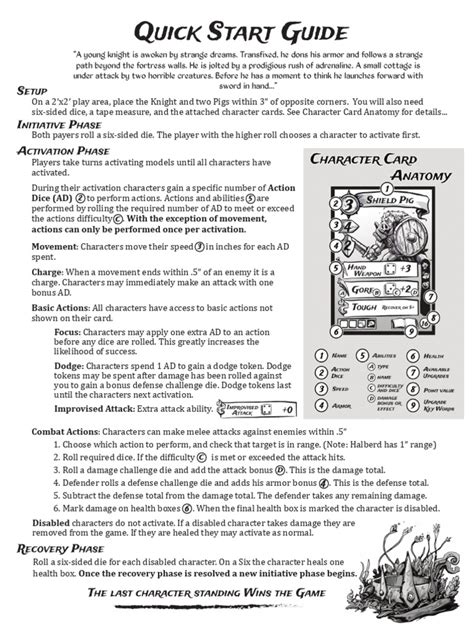
1. Core Mechanics & Basic Controls Explained Simply
The very first hurdle for any new player is understanding how to move, interact, and perform basic actions. Your guide should start here.
- User Interface (UI) Breakdown: Clearly label and explain the most important elements of the HUD (health bar, mini-map, quest log, inventory slots).
- Movement and Camera Controls: How to walk, run, jump, look around, and possibly toggle first/third-person views.
- Interaction Prompts: How to pick up items, talk to NPCs, activate objects, and open doors.
- Combat Basics (if applicable): How to attack, defend, use abilities, target enemies, and understand basic enemy indicators.
- Keybinds & Rebinding: Provide a default keybind list and explain how to customize controls.

2. Clear Early-Game Objectives and First Steps
New players need a roadmap for their first 30-60 minutes. What should they do first?
- The Very First Quest/Task: Guide them through the initial tutorial or story quest, explaining its purpose.
- Where to Go: Provide clear directions or map markers for their immediate destination.
- Initial Goal Setting: What’s the immediate objective? “Reach level 2,” “collect 5 resources,” “talk to the next NPC.”
- Character Creation/Selection Tips: If relevant, offer advice on initial choices that impact gameplay.
3. Demystifying Core Systems and Terminology
Every game has its jargon and unique systems. Explain them simply, without assuming prior knowledge.
- Inventory & Item Management: How to open inventory, equip items, understand item stats, and discard/sell unwanted items.
- Currency & Economy: What are the different types of money, and how do you earn and spend them?
- Leveling & Progression: How to gain experience, what happens when you level up, and how to allocate skill points.
- Basic Crafting/Gathering (if applicable): Introduce the simplest forms of resource collection and item creation.
- Key Terminology Glossary: A short list of common game-specific terms and their meanings.

4. Highlighting Common Pitfalls and How to Avoid Them
Forewarned is forearmed. Identifying common mistakes helps new players feel smart, not frustrated.
- Resource Scarcity: Which resources are vital early on, and which should be conserved?
- Difficult Enemies/Zones: Warn them about areas or enemies that are too powerful for early stages.
- Irreversible Choices: Highlight any decisions that cannot be undone and suggest careful consideration.
- Inefficient Strategies: Briefly touch upon common early-game strategies that might be inefficient in the long run.
5. Progression Path and Resource Management Basics
Players want to feel like they’re getting stronger and making progress. Explain how to do that sustainably.
- Short-term & Long-term Goals: What are they working towards? (e.g., unlocking a new area, crafting a better weapon).
- Basic Resource Acquisition: Where do key resources come from (e.g., farming, quests, drops)?
- Understanding Upgrades: How to improve gear, skills, or character stats.
- Saving & Loading: Clearly explain the game’s save system to prevent loss of progress.
6. Setting Realistic Expectations and Encouraging Exploration
Manage expectations regarding difficulty, time commitment, and the learning curve.
- Difficulty Spikes: Prepare them for challenges and suggest strategies for overcoming them.
- Exploration Value: Encourage them to look around, but also provide safety nets (e.g., return to safe zones).
- Patience is Key: Remind them that learning a new game takes time.
7. Where to Find Further Help and Community Support
No guide can cover everything. Point them towards official and community resources.
- In-Game Help Systems: Mention any built-in tutorials, tooltips, or help menus.
- Official Forums/Discord: Where to connect with the developers and other players.
- Fan-Made Wikis & Guides: Acknowledge the value of community-driven knowledge bases.
- Customer Support: How to report bugs or seek technical assistance.
Conclusion
A well-crafted beginner’s guide is more than just a list of instructions; it’s an invitation to a new world. By anticipating new player frustration and providing clear, concise, and contextual information on core mechanics, early objectives, and potential pitfalls, game developers and guide writers can significantly enhance the onboarding experience. This not only retains more players but also fosters a stronger, more engaged community right from the start.