What key guide elements help new players grasp core game mechanics quickly?

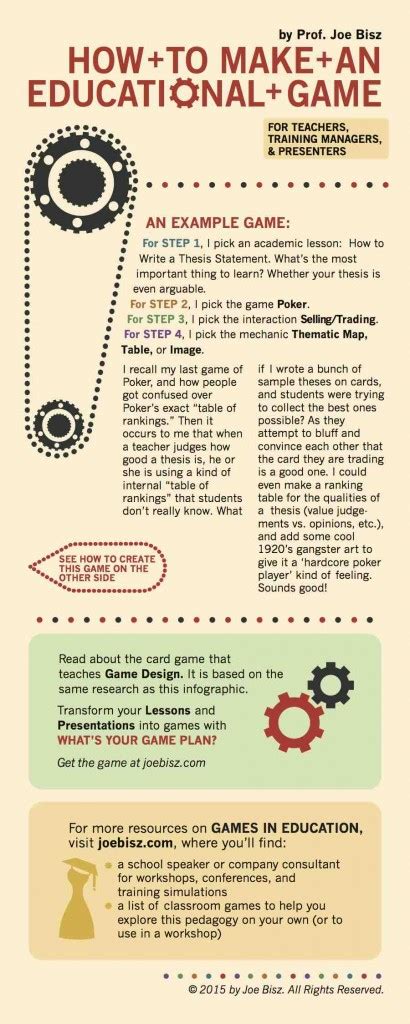
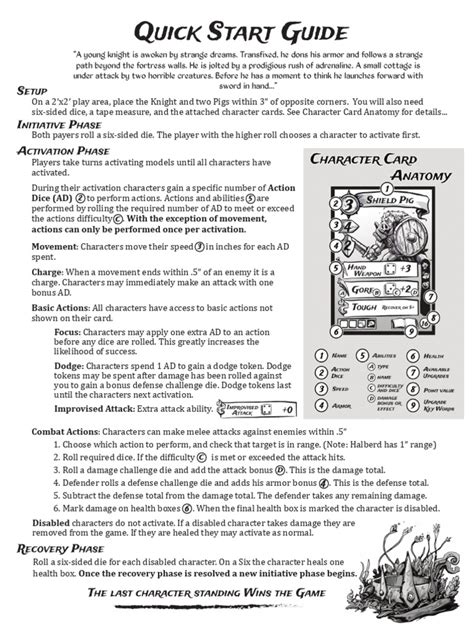
For any video game to truly succeed and retain its audience, it must effectively onboard new players. The initial hours of gameplay are crucial; they determine whether a newcomer feels empowered and engaged or frustrated and alienated. Guiding new players to quickly grasp core game mechanics isn’t just about teaching controls; it’s about fostering an intuitive understanding of the game’s systems, strategies, and overall flow. Here are the key guide elements that prove most effective in achieving this rapid comprehension.
Interactive Tutorials and Sandbox Modes
Nothing beats hands-on learning. Interactive tutorials that guide players through core actions and systems in a controlled environment are paramount. Instead of passive text walls, these tutorials allow players to immediately apply what they’ve learned, whether it’s movement, combat, resource gathering, or crafting. A well-designed sandbox or training mode can also offer a safe space for experimentation without penalty, encouraging a deeper understanding through self-discovery.

Intuitive UI/HUD and Visual Cues
A well-designed User Interface (UI) and Heads-Up Display (HUD) can implicitly teach game mechanics. Clear icons, logical layouts, and immediate visual feedback for actions (e.g., damage numbers, status effects, resource changes) reduce cognitive load and help players understand cause and effect. Visual cues, such as glowing objects for interaction or directional arrows for objectives, subtly guide attention and reinforce learned behaviors without explicit instruction.
Contextual Tooltips and Progressive Information Delivery
Information overload is a common pitfall. Effective guides employ contextual tooltips that appear precisely when a new element, item, or mechanic is encountered. This ‘just-in-time’ information delivery ensures relevance and prevents players from being overwhelmed by a flood of data. Furthermore, progressive information delivery, where complex mechanics are broken down and introduced gradually over time, allows players to build their understanding layer by layer, reinforcing earlier lessons.

Well-Paced Onboarding and Skill Gates
The journey from novice to competent player should be a carefully managed ascent. Games that introduce core mechanics one by one, ensuring mastery of each before adding the next, create a smooth learning curve. Skill gates, which require players to demonstrate proficiency in a mechanic before advancing to the next challenge, solidify understanding and prevent frustration stemming from an inability to progress due to missed lessons.
Clear Objective Systems and Feedback Loops
Players learn quickly when they have clear goals and immediate, unambiguous feedback on their actions. A robust objective system that clearly states ‘what to do’ and ‘why’ provides purpose. Coupled with strong feedback loops—visual and auditory cues that confirm success or failure—players can rapidly correlate their actions with outcomes, helping them refine their strategies and master mechanics efficiently.

Integrated Lore and Narrative Explanations
Sometimes, the best way to explain a game mechanic is to weave it into the game’s story or world-building. Explaining why a character has a certain ability or why a specific resource is needed through in-game lore or dialogue can make mechanics feel more organic and memorable. This narrative integration can make learning feel less like a chore and more like an immersive discovery.
Visual Aids and Short, Focused Video Guides
For more complex or nuanced mechanics, visual aids are invaluable. Short, concise in-game videos or animated demonstrations can illustrate complex timing, movement patterns, or combo sequences far more effectively than text alone. Even external, officially sanctioned video guides can serve as an excellent resource for players who prefer to learn visually, offering quick, digestible explanations of specific mechanics.
Conclusion: The Symphony of Effective Onboarding
Ultimately, no single element guarantees rapid learning; it’s the synergistic combination of these guide elements that creates a truly effective onboarding experience. Games that prioritize clear, interactive, and progressively delivered instruction, supported by intuitive design and strong feedback, empower new players. By investing in these key guide elements, developers not only make their games more accessible but also significantly enhance player retention and long-term enjoyment, transforming initial confusion into confident mastery.