What key elements should a beginner guide focus on to help new players master game basics?

New players often face an overwhelming learning curve when diving into a complex game. A well-crafted beginner guide doesn’t just list features; it systematically breaks down the experience, empowering newcomers to grasp core concepts and enjoy the game rather than abandon it out of frustration. To truly help new players master game basics, a guide must be thoughtful, progressive, and highly practical.

1. Core Game Mechanics Explained Simply
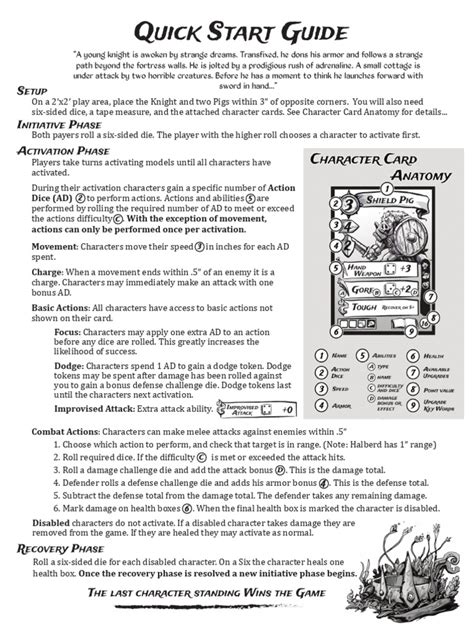
The absolute foundation of any beginner guide is a clear explanation of the game’s core mechanics. This includes the primary objective, how the player interacts with the game world, and the fundamental rules governing its systems. Avoid jargon where possible, or explain it immediately. Use analogies if helpful. Break down complex mechanics into their simplest components, perhaps by explaining one system at a time before showing how they interlink. This segment should cover:
- Primary Goal: What is the main objective of the game?
- Core Loop: What actions does the player repeatedly perform? (e.g., gather, craft, fight, explore).
- Key Resources/Currencies: What items or values are important and how are they obtained/spent?
2. Intuitive Controls and User Interface Navigation
Even the most brilliant game can be impenetrable if players don’t know how to move or use the menus. A beginner guide must meticulously detail the control scheme, whether keyboard, gamepad, or touch-based. This isn’t just a list of buttons; it’s about explaining why certain controls exist and how they facilitate gameplay. Similarly, a breakdown of the User Interface (UI) is crucial. Identify key elements on the screen, explain their purpose, and guide players through menu navigation for inventory, maps, settings, and other essential screens. Visual aids (like labeled screenshots) are particularly effective here.

3. Early Game Progression and Short-Term Goals
Once players understand the very basics, they need direction. A good beginner guide provides a clear roadmap for the initial hours of gameplay. This involves setting achievable short-term goals that naturally lead players through the tutorial phase and into the main game loop. Examples include:
- First Quest/Mission: The initial task to get things rolling.
- Basic Character Customization/Setup: If applicable, guiding initial choices.
- Unlocking Key Abilities/Features: Showing players how to access new mechanics.
- Survival Tips: Practical advice for the very beginning (e.g., “don’t go there yet,” “gather these resources first”).
This segment helps combat decision paralysis and gives new players a sense of accomplishment.
4. Common Pitfalls and Troubleshooting
Anticipating where new players might struggle is a hallmark of an excellent guide. This section should highlight common mistakes, misconceptions, or points of frustration and offer solutions or preventative advice. Examples include:
- Resource Management Errors: Explaining common misuses of scarce resources.
- Combat Strategy Fails: Basic tactics to avoid early defeats.
- Navigation Issues: Tips for not getting lost or finding objectives.
- Technical Issues: A brief mention of where to find support or common fixes (e.g., checking graphics settings).
Addressing these proactively builds player confidence and reduces the likelihood of them quitting out of frustration.
5. Essential Terminology and Glossary
Many games have their own unique vocabulary. A dedicated section or an integrated approach to explaining essential terminology can make a massive difference. From “DPS” to “aggro” to “crafting recipes,” defining these terms as they appear or in a concise glossary prevents confusion and helps players understand community discussions and advanced guides later on. This also helps bridge the gap between casual and more engaged players.
6. Recommended Practices and Next Steps
Finally, a beginner guide should gently nudge players towards optimal play without overwhelming them. This could include recommending basic build orders, preferred starting strategies, or efficient ways to progress. Crucially, it should also point them towards further resources:
- Official Forums/Community: Where to ask questions and engage.
- Advanced Guides: For when they’re ready for more depth.
- Developer Updates: How to stay informed about the game’s evolution.
This shows a commitment to the player’s long-term engagement and provides a clear path for continued learning.

A truly effective beginner guide goes beyond merely introducing a game; it acts as a mentor, patiently guiding new players through the initial hurdles and instilling the confidence needed to explore, experiment, and ultimately master the game’s basics. By focusing on core mechanics, intuitive controls, clear progression, common pitfalls, essential terminology, and future resources, such a guide transforms a potentially daunting experience into an enjoyable journey of discovery and mastery.