What in-game mechanics signal a mobile game is a fun experience, not a grind or money pit?

Decoding the Mobile Game Experience
In the vast and ever-growing landscape of mobile games, finding a truly engaging and enjoyable experience can feel like navigating a minefield. Many titles promise endless fun, only to reveal themselves as either an insatiable time sink (a grind) or a relentless drain on your wallet (a money pit). However, savvy players can learn to identify key in-game mechanics that serve as strong indicators of a game’s true intentions: delivering genuine fun versus extracting maximum revenue or time.

Meaningful Progression, Not Artificial Walls
A truly fun mobile game offers a sense of meaningful progression. This means that your efforts—whether through skillful play, strategic choices, or consistent engagement—lead to tangible and satisfying advancements. Look for systems where:
- Skills Matter: Gameplay that rewards player skill, strategy, and understanding of mechanics, rather than simply having the most powerful purchased items.
- Clear Goals & Rewards: Progression paths are transparent, and the rewards for completing tasks or milestones feel substantial and help you advance naturally.
- Diverse Activities: There’s a variety of activities that contribute to progression, preventing monotonous repetition.
- Non-Linear Advancement: While there might be a main quest, side activities and exploration also feel rewarding and contribute to your overall power or capabilities.
Conversely, games that force you into endless, repetitive tasks with diminishing returns, or suddenly spike in difficulty requiring a specific, hard-to-obtain item (often purchased) to proceed, are waving red flags of a grind or paywall.
Fair and Optional Monetization
Monetization is an undeniable part of the free-to-play mobile market. However, the type of monetization is crucial. A fun game typically employs:
- Cosmetic Purchases: Skins, emotes, and visual enhancements that don’t affect gameplay power.
- Quality-of-Life Enhancements: Optional purchases that save time (e.g., VIP passes, auto-battle features) but don’t create an insurmountable advantage for paying players.
- Battle Passes: Well-structured battle passes that offer significant value and allow free players to earn a substantial portion of the rewards through consistent play.
- Clear Value Propositions: When purchases are offered, their value is apparent, and they feel like a fair exchange for entertainment or convenience, not a predatory necessity.
Avoid games where essential gameplay elements, character upgrades, or powerful items are locked behind aggressive paywalls or highly randomized gacha mechanics that demand repeated spending for a chance at success. Constant pop-ups, limited-time offers that create FOMO (fear of missing out), and energy systems that severely restrict playtime without spending are also strong indicators of a money pit.
Generous In-Game Economies and Rewards
A game that respects its players’ time and aims for long-term engagement often has a generous in-game economy. This means:
- Abundant Free Resources: You can earn premium currency or valuable items through gameplay, daily logins, events, or achievements without feeling starved.
- Rewarding Events: Regular in-game events offer unique challenges and meaningful rewards that aren’t overly reliant on spending.
- Catch-Up Mechanics: Newer players have ways to catch up to veterans without feeling completely left behind or forced to spend heavily.
- No Excessive Energy Systems: Energy or stamina systems, if present, are forgiving, recharge quickly, or offer ample opportunities to earn more through gameplay.
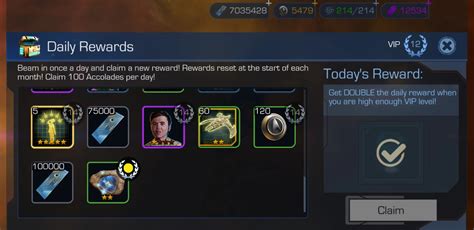
If a game consistently makes you feel like you’re running out of essential resources, or that every small advancement requires a significant grind or purchase, it’s likely designed to frustrate you into spending.
Engaging Core Loop and Player Agency
At its heart, a fun mobile game has a core loop that is inherently enjoyable, even without the bells and whistles of progression or monetization. This involves:
- Intuitive and Responsive Controls: The game feels good to play.
- Strategic Depth: There are layers of strategy that keep you engaged and thinking.
- Player Agency: Your choices and actions genuinely impact the game world or your progression, rather than feeling like you’re just following a prescribed path or an automated system.
- Regular Content Updates: New content, events, or features are introduced regularly to keep the experience fresh and exciting.
Games that rely heavily on automation, require minimal player input beyond initiating actions, or quickly become repetitive and mindless, often fall into the ‘grind’ category, designed to keep you logged in rather than genuinely entertained.
Conclusion: Trust Your Gut and Look for Fairness
Ultimately, a fun mobile game prioritizes the player experience. It offers fair opportunities for progression, provides engaging gameplay, and implements monetization in a way that feels optional and respectful, rather than coercive. By paying attention to these mechanics, you can better discern which mobile titles are truly worth your time and attention, and which are merely disguised grind factories or money traps.