What guide structure best prevents info overload for new game players?

Navigating the New Player Journey: Preventing Information Overload
For new players diving into a complex game, the initial experience can be daunting. A poorly structured guide, overflowing with too much information, can overwhelm and even deter them before they’ve truly begun. The key to successful player onboarding lies in delivering the right information at the right time, in an digestible format.

The Challenge of Information Overload
Modern games often feature intricate mechanics, deep lore, vast worlds, and numerous systems. While experienced players revel in this depth, newcomers can easily feel swamped. Presenting all critical information upfront, or burying essential mechanics within dense text, creates a cognitive burden that frustrates rather than educates. This can lead to players feeling lost, making critical errors, or simply abandoning the game.
Core Principles for Effective Guide Structures
To combat information overload, guides must adhere to several fundamental design principles:
- Progressive Disclosure: Introduce concepts and mechanics gradually, building complexity over time. Players learn the basics before advanced strategies.
- Contextual Learning: Provide information when and where it’s immediately relevant. Learning by doing, with guidance, is far more effective than rote memorization.
- Prioritization of Key Information: Distinguish between “need-to-know” essentials for progression and “nice-to-know” details for optimization. Focus on the former initially.
- Visual and Interactive Aids: Utilize screenshots, videos, diagrams, and interactive elements to illustrate concepts. Visuals can convey information more quickly and effectively than text alone.
- Modularity and Accessibility: Break down information into small, searchable chunks. Players should be able to quickly find answers to specific questions without sifting through unrelated content.

Recommended Guide Structures and Formats
Combining these principles, several guide structures prove most effective:
1. Integrated In-Game Tutorials
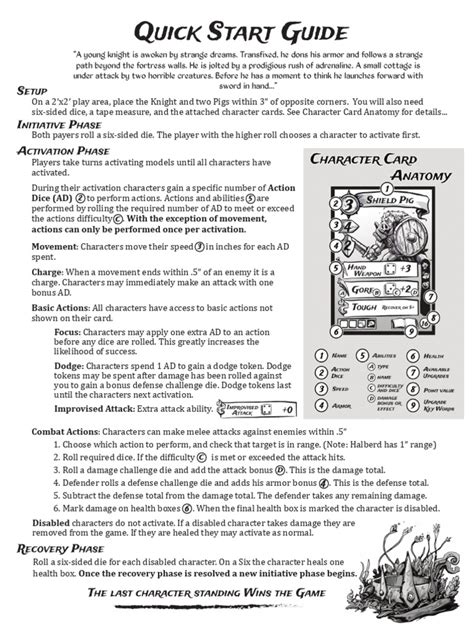
These are often the first line of defense against info overload. They introduce core mechanics directly within the gameplay experience, often through guided sequences, highlighted UI elements, or brief pop-up tooltips. They are best for teaching movement, basic combat, and core interaction loops, offering immediate application of learned skills.
2. Layered “Need-to-Know” Guides
This approach involves creating multiple layers of information. A “Beginner’s Guide” covers only the absolute essentials for getting started. Separate “Intermediate” or “Advanced” guides can then delve into more complex systems, strategies, or lore. This prevents new players from being swamped by details they don’t yet need.

3. On-Demand Reference Systems (Wikis/Databases)
For in-depth information on items, characters, lore, or specific mechanics, a well-organized wiki or in-game database is invaluable. The key is that this information is available for players to seek out when they need it, rather than forced upon them. Good search functionality and clear categorization are crucial here.
4. Quest-Based Learning Paths
Many games naturally integrate tutorials into early quests. By giving players specific objectives that require them to use new mechanics, the learning process becomes an active part of the game. This provides a clear purpose and immediate feedback, making the information relevant and memorable.

Best Practices for Implementation
- Start Simple, Build Complexity: Always assume the player knows nothing and introduce concepts one at a time.
- Offer Opt-Out/Opt-In Options: Allow experienced players to skip introductory tutorials, and new players to revisit them.
- Emphasize “Learning by Doing”: Theory is best followed immediately by practical application.
- Gather Player Feedback: Regularly test and refine guides based on how new players actually interact with them. Identify common sticking points.

Conclusion
The ideal guide structure for new game players is not a one-size-fits-all solution but a thoughtful combination of progressive, contextual, and accessible information delivery. By prioritizing essential knowledge, breaking down complexity, and offering on-demand resources, game developers and guide writers can craft experiences that genuinely welcome and empower new players, ensuring they have the tools to enjoy the game’s full depth without being overwhelmed.